Logo
Global

Can Foreigners Get a Mortgage in Switzerland?

Yes, foreigners can get mortgages in Switzerland, but lending is significantly more restricted than in other European markets. For those looking to buy property in Switzerland as a foreigner or secure a Swiss mortgage as a non-resident, the options available will depend heavily on location, residency status, and the structure of the transaction.

In most cases, Swiss mortgages for non-residents are limited to designated holiday regions rather than major cities. Under Swiss property regulations, including Lex Koller, foreign buyers are typically only permitted to purchase in approved zones, with additional restrictions on property size, usage, and ownership quotas.

So while it is possible to obtain a Swiss mortgage as a UK resident or international buyer, the process is far less standardised. Many lenders rely on conservative underwriting models, meaning that buying property in Switzerland from the UK or abroad often requires a more tailored approach to structuring finance.

For most non-residents, access to mortgages in Switzerland is ultimately determined by how well the transaction aligns with regulatory requirements, lender appetite, and the borrower’s broader financial profile, particularly where income is derived internationally or outside traditional employment structures.

Talk to an Expert Now!

Can Foreigners Get a Mortgage in Switzerland?

500+

A large network of trusted lenders.

6

Global market locations.

15+

Years of experience.

Swiss Mortgage Experts

As Swiss mortgage experts, we specialise in arranging mortgages in Switzerland for foreign buyers and UK residents navigating a highly restricted property market. From understanding Swiss mortgage rules to structuring finance across jurisdictions, securing a Swiss mortgage as a non-resident requires a tailored approach.

With access to private banks and specialist lenders, we help clients overcome common barriers when buying property in Switzerland from the UK or internationally,  particularly where income, assets, or ownership structures fall outside standard lending criteria.

MEET OUR TEAM GET IN TOUCH

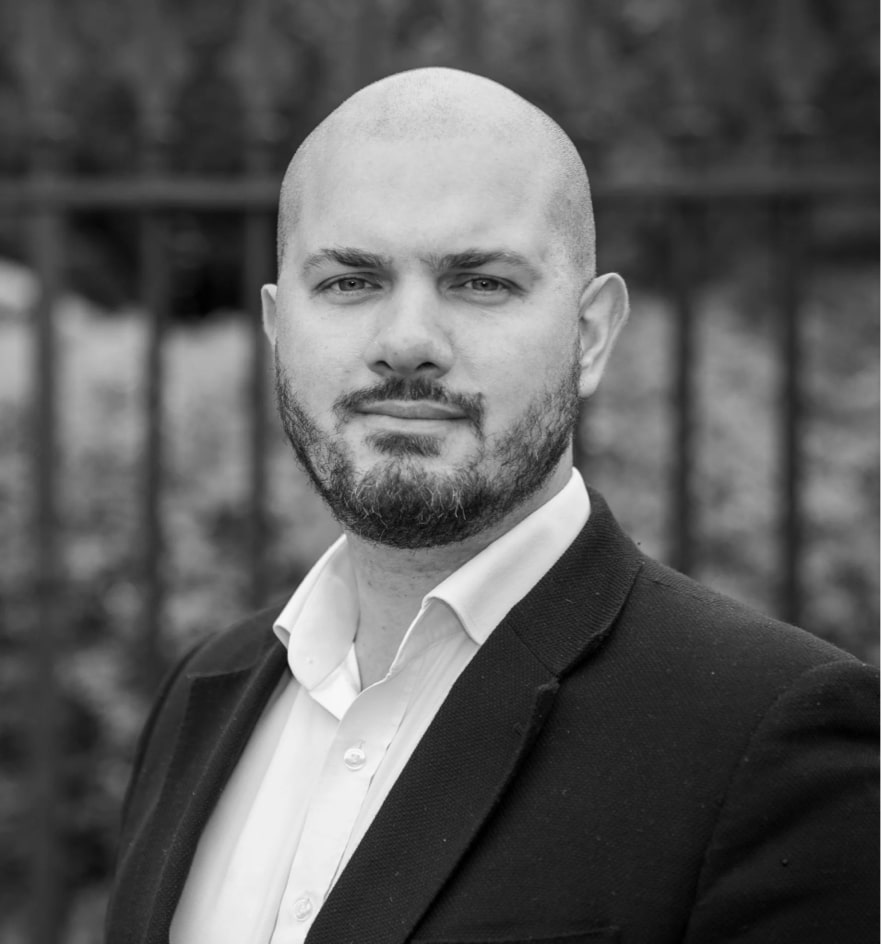
Toby Johncox

GROUP MD

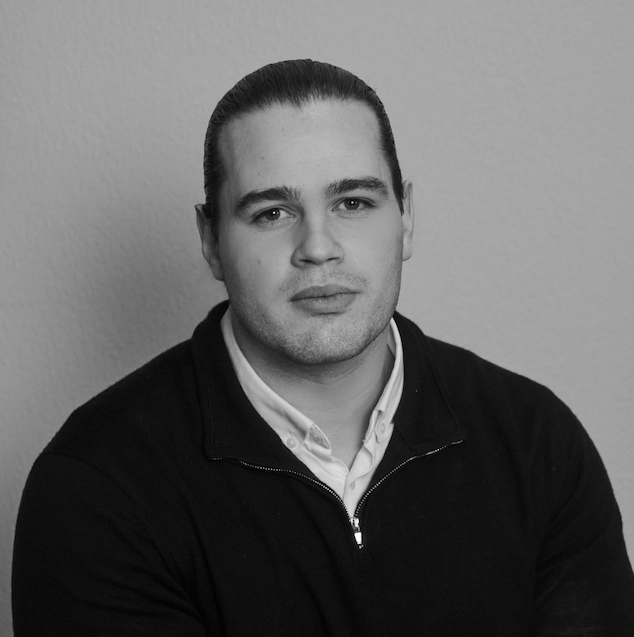
Sam Dore

INTERNATIONAL MORTGAGE BROKER

FAQs: Mortgages in Switzerland for Foreign Buyers

How Much Can You Borrow with a Mortgage in Switzerland?

The amount you can borrow with a mortgage in Switzerland depends on your residency status, income structure, and the type of property being purchased. For domestic buyers, loan-to-value ratios can be higher, but for foreign buyers and non-residents, Swiss mortgages are typically more conservative.

In most cases, mortgages in Switzerland for foreign buyers are limited to around 50-60% loan-to-value, meaning a deposit of 40-50% is often required. While some Swiss lenders may advertise lower minimum deposits (starting from 20%), these are rarely available to non-residents or those buying property in Switzerland from the UK or overseas.

For those seeking a Swiss mortgage as a non-resident, borrowing capacity is also influenced by:

  • The location of the property (holiday zones vs restricted areas)
  • The lender’s appetite for international income
  • The borrower’s overall asset base and liquidity

Given that property in Switzerland, particularly in prime alpine locations, often commands a multi-million Swiss franc price, structuring the right level of borrowing is crucial. As a result, many international clients rely on private banks or specialist lenders when arranging Swiss mortgages for non-residents, particularly where a more flexible or asset-backed approach is required.

What is the Mortgage Rate in Switzerland?

Swiss Mortgage Interest rates are very attractive. Rates can be as little as 0.8%, rising to around 1.3% with an unlimited term, if more than 1% of the loan capital is paid back each year.

In essence, the Swiss mortgage interest rates you are offered will vary, depending on your situation. Whatever your circumstances, however, Enness will be able to secure very competitive financing for you. Rates will depend on your profile, assets and what you are willing to do or put forward to get the best deal. Private banks welcome dealings where you put forward assets for management by the bank, which in many cases will bring your mortgage rates down significantly. Other lenders will offer a mortgage in Switzerland "dry" – with no assets under management required as part of the agreement. Interest rates will vary on this type of transaction. While you may be offered a "better" interest rate if you put forward assets for management by the bank, you may not want to start a new banking relationship or have other reasons for preferring not to pursue this type of transaction. As always, Enness will work with you to ensure your mortgage in Switzerland meets all your requirements. 

Is it Worth Buying Property in Switzerland?

Switzerland's property prices have remained steady in past years. In particular, the luxury property market remains strong, especially for international property investors.

Switzerland is home to a significant foreign population – around 40% of Swiss residents are foreigners. Many of these individuals work in international organisations such as the United Nations, the Red Cross and the International Trade Organisation. Switzerland's private banks and financial institutions also employ significant numbers of foreign nationals, as do pharmaceutical firms like Roche and Novartis and Swiss corporate giants like Nestlé and Glencore. Demand for Swiss property from the ex-pat community, alongside substantial domestic interest, means the country's property market has been robust for the last 20 years. Just as in other countries, Swiss mortgage interest rates remain low, and prospective buyers are attracted to these competitive rates.

Some eight million tourists visit Switzerland every year, bringing both stable and substantial demand for rental property. Predominantly drawn to the mountains or to enjoy the excellent shopping, dining, and leisure offered in Swiss cities, high-end real estate is always needed to support the tourist industry. Foreign property investors also appreciate the fact that Switzerland’s mountains make the country an international tourist destination in both summer and winter.

Domestic tourism also influences the property market. Switzerland’s residents – foreign or not – often take out seasonal rentals in the Swiss Alps or regularly travel to the mountains for a weekend of skiing. It's also not unusual to purchase a second home in the mountains to spend weekends and holidays in the winter and to generate rental income. Swiss mountain rentals are always popular for property investments, especially in the most famous resorts such as St Moritz, Verbier, Zermatt, Gstaad, Davos-Klosters, Andermatt and Crans-Montana. The barriers to entry for foreign investors in such locations is generally much lower than in other parts of Switzerland.

Looking at the "mainstream" property market, saving up to buy a home in Switzerland takes considerable time. To get a mortgage in Switzerland, lenders typically want to see deposits of 20% or more, excluding legal and administrative fees. When you consider Swiss property prices average more than CHF 3 million in Zürich and CHF 2.6 million in Geneva, rental properties are in high demand because people rely on living in them while they save six-figure deposits. As a result, investment properties in Switzerland can be very lucrative. However, quotas on foreign ownership and other limits to buy such property can act as a restraint, even for resident permit holders.

Overall, demand for luxury and prime property in Switzerland remains strong, and the property market is buoyant.

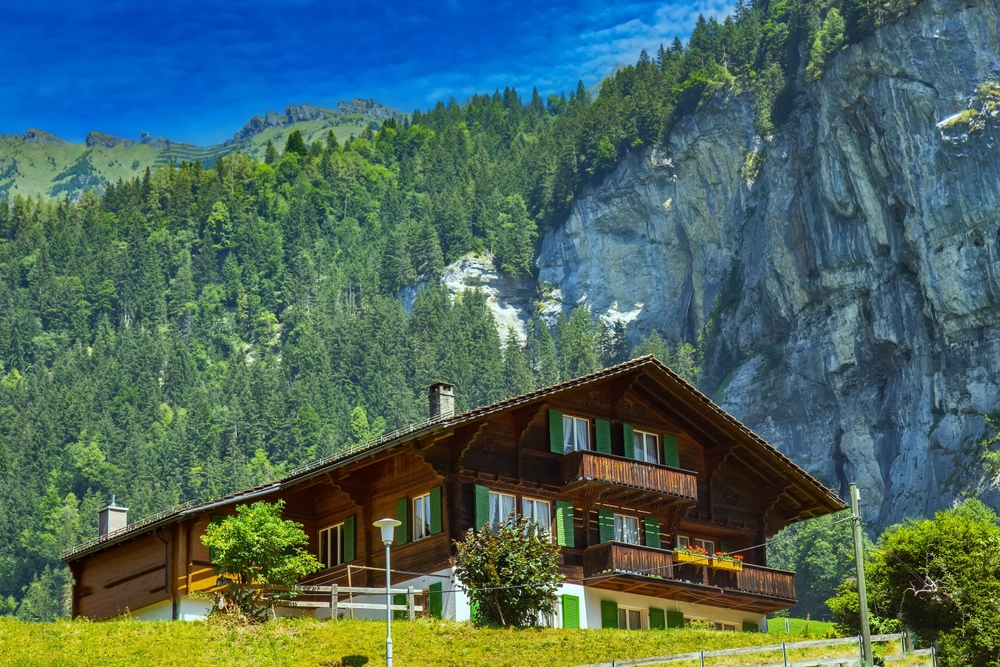
What Are the Property Ownership Rules in Switzerland for Foreign Buyers?

Property ownership in Switzerland is tightly regulated, particularly for foreign buyers and non-residents. Anyone looking to buy property in Switzerland as a foreigner must comply with strict legal and regional restrictions, which directly impact access to mortgages in Switzerland.

The primary legislation governing this is Lex Koller, which limits where and how non-residents can purchase property. Under these rules, Swiss property ownership for foreigners is generally restricted to designated holiday or resort areas, rather than major cities such as Zurich, Geneva, or Basel.

In addition:

  • Annual quotas apply in many regions, limiting the number of properties available to foreign buyers
  • Cantonal differences mean rules vary significantly depending on location, with each canton applying its own interpretation of federal law
  • Property size and usage restrictions are often imposed, particularly for second homes or holiday properties
  • Primary residences in major cities are typically not available to non-residents

These regulations have a direct impact on Swiss mortgages for non-residents, as lenders will only finance properties that meet legal eligibility criteria. As a result, securing a mortgage in Switzerland for foreign buyers requires careful alignment between the property, the borrower’s residency status, and lender requirements.

For those buying property in Switzerland from the UK or internationally, understanding these ownership rules is a critical first step, as they shape both what can be purchased and how Swiss mortgages can be structured.

Which Lenders Offer Mortgages in Switzerland?

Mortgages in Switzerland are offered by a relatively limited pool of lenders, and access can vary significantly for foreign buyers and non-residents. Unlike more accessible markets, securing a Swiss mortgage often depends on both the borrower’s profile and their broader financial relationship with a lender.

The main types of lenders offering Swiss mortgages for non-residents include:

  • Private banks – typically the most active in providing mortgages in Switzerland for foreign buyers, particularly for high-net-worth individuals. Access is often linked to assets under management, with lending forming part of a wider private banking relationship.
  • Swiss banks (including cantonal lenders) may offer Swiss mortgages, but generally prioritise domestic clients or those with Swiss residency, making access more limited for international buyers
  • International banks – in some cases, lenders outside Switzerland can provide financing for property in Switzerland, although this is often subject to stricter underwriting and lower loan-to-value ratios

For those seeking a Swiss mortgage as a UK resident or international buyer, lender choice is not always straightforward. Many institutions apply conservative criteria when assessing cross-border income, assets, and ownership structures.

As a result, arranging mortgages in Switzerland often requires access to private banks and specialist lenders that are comfortable working with international clients. In practice, this means that buying property in Switzerland from the UK or abroad is less about accessing a single lender and more about structuring the transaction in a way that aligns with lender appetite, regulatory requirements, and the borrower’s overall financial position.

Why Are Mortgages in Switzerland Difficult to Secure?

Mortgages in Switzerland are widely considered more difficult to secure than in other European markets, particularly for foreign buyers and non-residents. For those seeking a Swiss mortgage, strict regulation, conservative lending practices, and cross-border complexity all contribute to a more restrictive lending environment.

Several key factors make Swiss mortgages for non-residents more challenging:

  • Regulatory restrictions – Laws such as Lex Koller limit where foreign buyers can purchase property, which directly impacts eligibility for mortgages in Switzerland for foreign buyers
  • Income verification challenges – Many lenders rely on domestic income models, making it more difficult to assess international or non-traditional income when applying for a Swiss mortgage as a UK resident or overseas buyer
  • Cross-border complexity – Structuring a mortgage in Switzerland often involves multiple jurisdictions, currencies, and legal frameworks, particularly when buying property in Switzerland from the UK
  • Limited lender appetite – Only a small number of lenders actively offer Swiss mortgages, and even fewer are comfortable working with international clients without an existing banking relationship

As a result, securing mortgages in Switzerland is rarely a straightforward process. For foreign buyers, success often depends on how effectively the transaction is structured, particularly where assets, income, or ownership arrangements fall outside standard lending criteria.

Why Is Switzerland One of Europe's Most Restricted Property Markets?

Switzerland is widely regarded as one of Europe’s most restricted property markets due to tight regulation, limited supply, and a long-standing focus on wealth preservation. For those buying property in Switzerland as a foreigner, these dynamics directly influence both availability and access to mortgages in Switzerland.

Unlike more transactional markets, property in Switzerland is tightly controlled at both a national and cantonal level. Key factors include:

  • Controlled supply – New development is limited, particularly in prime alpine and urban locations, which restricts availability and supports long-term price stability
  • Preservation-focused market – Swiss real estate is often viewed as a store of wealth rather than a short-term investment, meaning turnover is low, and properties are rarely brought to market
  • Not volume-driven – The market prioritises stability over transaction volume, with fewer properties available compared to other European countries

These characteristics, combined with legal restrictions such as Lex Koller, mean that access to both property and Swiss mortgages for non-residents is inherently limited.

As a result, for international buyers, particularly those buying property in Switzerland from the UK, understanding how the market operates is essential when structuring a mortgage in Switzerland, as both supply and regulation play a central role in what can be purchased and how it can be financed.

What Deposit Is Required for a Mortgage in Switzerland?

The deposit required for a mortgage in Switzerland will depend on your residency status and financial profile. While some lenders may offer Swiss mortgages with deposits starting from around 20%, this is typically only available to domestic buyers.

For foreign buyers and non-residents, including those buying property in Switzerland from the UK, deposit requirements are usually higher. In most cases, securing mortgages in Switzerland for foreign buyers will require a deposit of 40–50%, reflecting lower loan-to-value ratios and stricter lending criteria.

As a result, when arranging a Swiss mortgage for non-residents, lenders will assess not only the deposit but also the borrower’s wider asset base, income structure, and the location of the property in Switzerland.

How Enness Structures Mortgages in Switzerland

How Enness Structures Mortgages in Switzerland

Arranging mortgages in Switzerland for foreign buyers requires more than simply approaching a lender. Given the complexity of Swiss mortgages, particularly for non-residents and UK buyers, the outcome is often determined by how effectively the transaction is structured from the outset.

At Enness, we specialise in structuring mortgages in Switzerland by aligning a client’s global financial position with the right lender and jurisdiction.

Our approach focuses on three key areas:

  • Global assets and income
    Rather than relying solely on domestic income, we work with lenders who can assess international earnings, investment income, and broader balance sheets. This is particularly important when arranging a Swiss mortgage for non-residents, where traditional underwriting models may not apply
  • Private bank access
    Many of the most active lenders offering Swiss mortgages are private banks, where access is often linked to assets under management. We provide access to these institutions, which are typically not available directly to borrowers seeking mortgages in Switzerland for foreign buyers
  • Bespoke structuring
    Each transaction is structured individually, particularly where clients are buying property in Switzerland from the UK or across multiple jurisdictions. This can include asset-backed lending, cross-collateralisation, or aligning financing with wider wealth strategies

As a result, securing a mortgage in Switzerland as a UK resident or international buyer is less about finding a single lender and more about structuring the transaction in a way that meets regulatory requirements while preserving flexibility.

For clients navigating mortgages in Switzerland, this approach ensures that complex income profiles, international assets, and time-sensitive transactions can be positioned effectively with the right lenders.

SCHEDULE A DISCOVERY CALL

Talk to our Finance Experts for options