
- Property: Penthouse in Islington, London valued at £4.2M
- Funding structure: Finance secured against existing and new property
- Mortgage type: Interest-only
- Term: Five years
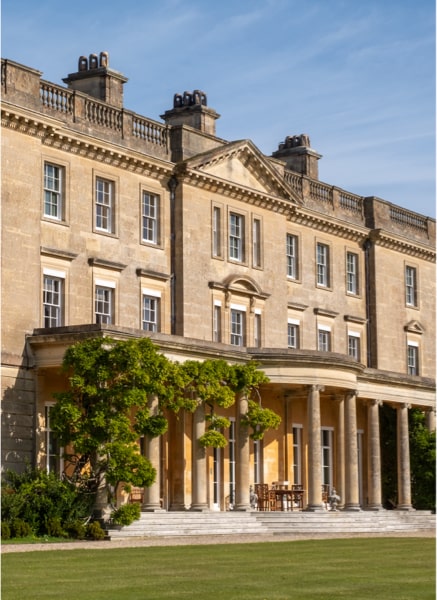
High-value property purchases can require a bespoke funding structure when a buyer wants to move quickly while minimising the amount of cash committed to the transaction. Enness was approached by a high-net-worth client looking to acquire a penthouse in Islington, London, valued at approximately £4.2M.
The client wanted to complete the acquisition without providing a conventional cash deposit. The proposed structure therefore involved raising finance against an existing farm owned by the client, valued at approximately £4M, and using that borrowing alongside finance secured against the new penthouse.
This created a more complex financing requirement than a standard residential mortgage. Two properties needed to be considered within the overall structure, while the client also required the transaction to complete within approximately one month.
Timing was a significant consideration. A conventional mortgage application could potentially take longer than the client’s required completion window, so Enness needed to identify a lender capable of assessing the transaction and issuing an offer quickly.
A traditional bridging facility could have provided a solution, particularly given the requirement to leverage both properties. However, the cost of short-term bridging finance can be significant on a transaction of this size, particularly where monthly interest and lender fees are applied.
Enness therefore explored the private banking market to establish whether a longer-term mortgage could provide the required speed and flexibility without the cost structure associated with a conventional bridge.
A private bank was able to consider the client’s high-net-worth profile and the proposed security structure. Following discussions, the lender produced a formal offer within two weeks, allowing the client to proceed towards the required completion date.
The facility was structured on an interest-only basis over a five-year term.
The longer five-year term provided the client with more time than a typical short-term bridging facility and avoided the need to refinance within a conventional 12-month bridge period. The interest-only structure also meant that the monthly capital repayment requirement was not applicable during the interest-only period, subject to an appropriate repayment strategy being in place.
The case demonstrates that high-value bridging finance is not necessarily the only option when a transaction requires speed and a complex security structure. In some circumstances, a private bank may be able to provide a longer-term solution where the borrower’s financial profile, assets and proposed security meet its lending criteria.
For high-net-worth borrowers acquiring substantial London property, specialist mortgage expertise can help assess different funding structures, including private bank mortgages and short-term finance. The appropriate solution will depend on the property, borrower profile, available security, timescale and lender criteria.
Information contained in our case studies is for market and illustrative purposes only. In some cases, these may be made up of multiple cases and are for illustrative purposes only.
Some case studies are made up of enquiries that have come into the business, not all business completes, and the posting of a case study does not represent a completed piece of business.
Property values can fall as well as rise, and you may not get back the amount originally invested. Property investments can be illiquid and may take time to sell. Where borrowing is used, your property may be repossessed if you do not keep up repayments on a mortgage or other loan secured against it.