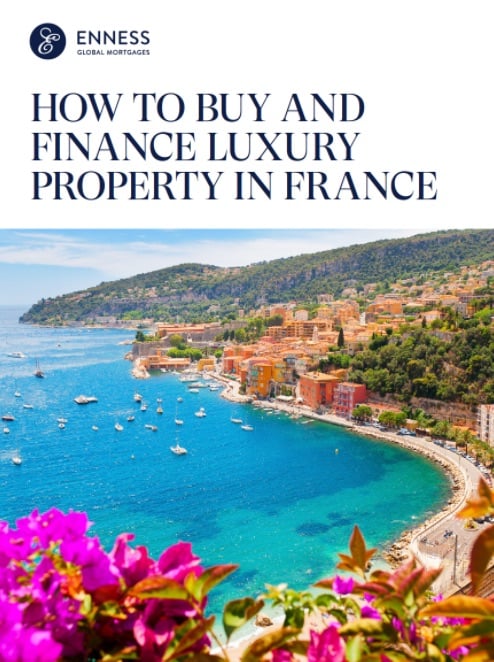
Buying a holiday home overseas can involve considerably more than simply arranging the mortgage. For British buyers in France, language differences and the local legal process can add another layer of complexity, particularly when dealing with professionals involved in the purchase. I recently assisted a British couple who were looking to purchase a holiday home in France and wanted support with both the financing and wider transaction.
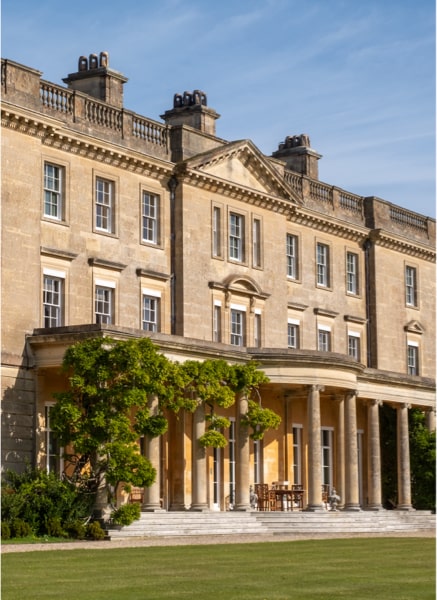
The property was located in a desirable area of France and was valued at approximately €925,000. The clients had already approached a lender directly, but the process had been slow and the mortgage terms they eventually received were not particularly competitive.
They subsequently approached Enness after researching their options for financing property in France. Having reviewed their circumstances, I felt they were well suited to a private banking relationship, which could potentially provide a more flexible structure than the terms they had already been offered.
The clients had initially been offered finance at 70% loan to value (LTV). I approached lenders within our international network and was able to secure a structure that provided funding for the full purchase price, with 30% of the facility supported by assets under management (AUM).
The clients were experienced investors and were comfortable with the proposed AUM arrangement, subject to the terms and performance of the underlying investments. The facility secured at the time was structured on an interest-only basis over a three-year term, with an option to renew, at a rate of 1.6% above EURIBOR.
However, the financing was only one part of the assistance I provided. The clients also faced a language barrier when dealing with the French Notaire, who did not speak English. As the Notaire plays an important role in the French property purchase process, clear communication was essential.
I was therefore able to act as a point of contact between the clients and the Notaire, helping to facilitate communication throughout the transaction. I also travelled to France to assist the clients in person, providing additional support during what could otherwise have been a challenging process.
The case demonstrates why specialist international mortgage expertise can be valuable when British clients are purchasing property overseas. The right financing structure is important, but so is having a team that understands the practical considerations involved in completing an international property transaction.
For British buyers considering a holiday home in France, specialist lender relationships and local knowledge can help navigate the different requirements involved in arranging finance and progressing the purchase.
Information contained in our case studies is for market and illustrative purposes only. In some cases, these may be made up of multiple cases and are for illustrative purposes only.
Some case studies are made up of enquiries that have come into the business, not all business completes, and the posting of a case study does not represent a completed piece of business.
Property values can fall as well as rise, and you may not get back the amount originally invested. Property investments can be illiquid and may take time to sell. Where borrowing is used, your property may be repossessed if you do not keep up repayments on a mortgage or other loan secured against it.