- Client: British national and resident
- Property value: £4.625M
- Loan amount: £3.9525M
- LTV: 85%
- Rate: 2.79% p.a. with 1% fee
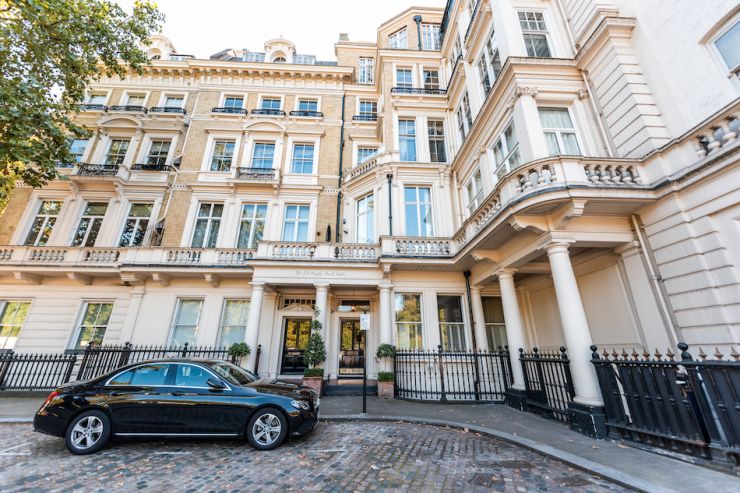
Self-employed borrowers can sometimes face additional scrutiny when applying for a mortgage, particularly where their income is structured differently from that of a salaried employee. In this case, Enness was approached by a British national and resident looking to purchase a prime London property valued at £4.625M.
The client wanted to borrow 85% of the property value, requiring a mortgage of £3.9525M. At this level of borrowing, finding a lender comfortable with both the high LTV and the client’s self-employed income profile was an important part of the process.
Self-employed income can vary considerably depending on the structure of the business, the way profits are extracted and the length of the trading history. Lenders also have different approaches to assessing affordability, so the way the application is presented can have a significant bearing on the options available.
Enness identified a lender prepared to take a more flexible view of the client’s circumstances and the level of borrowing required. The resulting mortgage was agreed at 85% LTV, with a rate of 2.79% per annum and a 1% fee.
The solution allowed the client to proceed with the prime London purchase while securing the high level of leverage required. It also highlights how specialist lender access can be particularly valuable where a borrower’s income does not fit neatly within standard lending criteria.
Enness has experience arranging mortgages for self-employed borrowers, including cases involving complex income structures and higher borrowing requirements. The lender and terms available will depend on the individual’s circumstances, affordability, property and lender criteria.
Information contained in our case studies is for market and illustrative purposes only. In some cases, these may be made up of multiple cases and are for illustrative purposes only.
Some case studies are made up of enquiries that have come into the business, not all business completes, and the posting of a case study does not represent a completed piece of business.
Property values can fall as well as rise, and you may not get back the amount originally invested. Property investments can be illiquid and may take time to sell. Where borrowing is used, your property may be repossessed if you do not keep up repayments on a mortgage or other loan secured against it.