
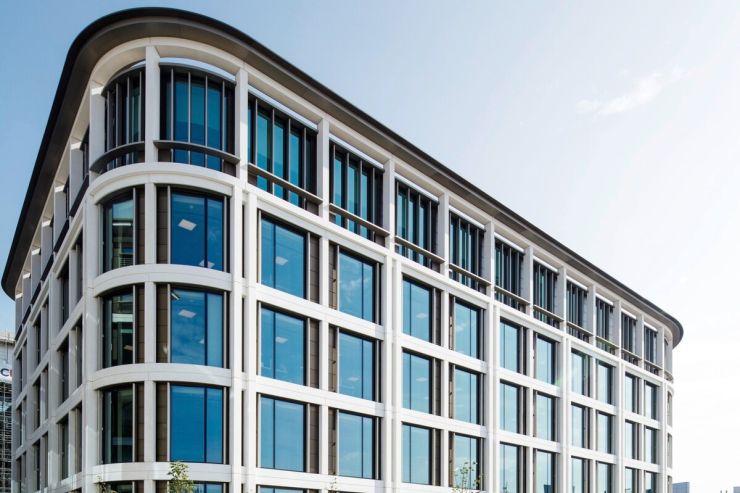
I recently assisted a London-based financial services company that was looking to move from renting its premises to owning a commercial property. The business had an international client base and was based in the Square Mile, making its location an important part of its operations and client relationships.
However, the cost of occupying such a prestigious London location had become significant. The company had therefore been considering purchasing its own premises, but there were several factors to weigh up. Moving would involve considerable time and expense, while purchasing a suitable property would require a substantial capital commitment.
The nature of the London market also meant that finding the right lender was important. Properties in prime locations can command significant values based partly on their location and prestige, rather than simply their physical characteristics. This can make lenders more cautious when assessing the potential liquidity and future value of such assets.
The company’s property adviser recommended Enness after understanding the challenges they were facing. I was able to assess the company’s requirements and explore both suitable property opportunities and potential financing structures.
OUR SOLUTION
Through Enness’ extensive network of property and industry contacts, I was able to help the client identify a suitable off-market opportunity. The property was valued at approximately £25 million and offered considerably more space than the company itself required.
I secured commercial property finance at a competitive margin with a 72% loan-to-value (LTV), allowing the company to acquire the property while maintaining a significant level of equity in the asset.
An additional benefit of the property was its size. The company only required around 40% of the available space, leaving the remaining 60% potentially available to let to other businesses. This created an opportunity to generate rental income from surplus space while the client occupied the remainder as its own headquarters.
Subject to occupancy, rental income and the company's wider financial position, the additional rental stream could contribute towards the cost of servicing the borrowing. This gave the client an opportunity to make productive use of space that would otherwise have remained unused.
The case demonstrates how business finance and commercial property lending can be structured around the wider objectives of an established company. Rather than simply financing a purchase, the right property and funding structure can potentially provide additional flexibility and income-generating opportunities for the business.
Information contained in our case studies is for market and illustrative purposes only. In some cases, these may be made up of multiple cases and are for illustrative purposes only.
Some case studies are made up of enquiries that have come into the business, not all business completes, and the posting of a case study does not represent a completed piece of business.
Property values can fall as well as rise, and you may not get back the amount originally invested. Property investments can be illiquid and may take time to sell. Where borrowing is used, your property may be repossessed if you do not keep up repayments on a mortgage or other loan secured against it.