- Client: Experienced property developer with an established track record on the French Riviera
- Properties: Two Cannes buy-to-let properties valued at approximately €1.1 million and €600,000
- Challenge: Required finance for two simultaneous acquisitions without placing assets under management
- Finance: 1.8% on the €1.1 million property and 1.6% on the €600,000 property, with no AUM requirement
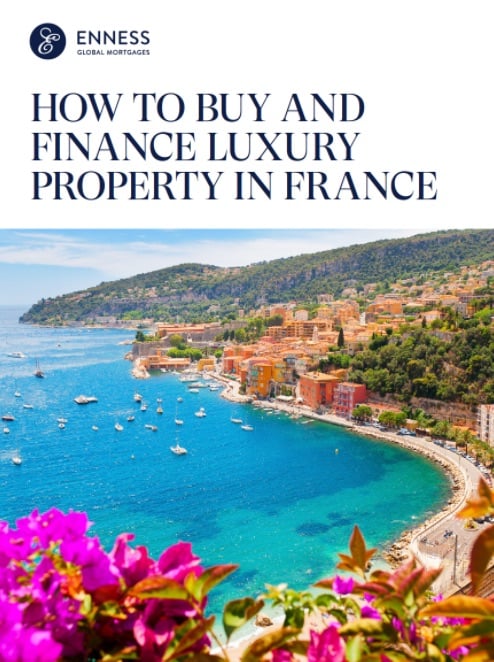
Financing multiple investment properties simultaneously can present additional challenges, particularly where a borrower wants to avoid placing assets under management with the lending bank. Enness was approached by an experienced property developer looking to acquire two buy-to-let properties in Cannes, with a combined value of approximately €1.7 million.
The first property was valued at approximately €1.1 million, while the second was valued at approximately €600,000. Both properties were intended to be held as buy-to-let investments and used to generate rental income.
The client was looking to finance both purchases at the same time and was particularly interested in a mortgage structure that did not require assets under management (AUM). This was important because many private banking arrangements for French property involve an AUM requirement, which can require borrowers to commit significant additional capital alongside the property purchase. :contentReference[oaicite:1]{index=1}
There was also an existing banking relationship to consider. The client’s usual bank had declined to provide finance for the two new acquisitions, despite the client already holding multiple accounts with the institution. Enness therefore needed to identify an alternative lender that was comfortable financing both properties and could accommodate the client’s preference for a structure without AUM.
The London team approached a Monaco-based bank with experience of international property finance. The lender was prepared to assess the two acquisitions separately and, importantly, offered a structure that did not require the client to place assets under management.
Following negotiations, Enness secured a rate of 1.8% on the €1.1 million property and 1.6% on the €600,000 property at the time. Both facilities were arranged over 20 years on a capital repayment basis, with no AUM requirement.
The result provided the client with financing for both Cannes acquisitions while avoiding the need to establish a wider investment relationship with the lender. This was particularly valuable given that AUM requirements can make smaller French property purchases less efficient to finance through traditional private banking structures.
The case demonstrates how French mortgage finance can be structured around an investor’s wider requirements, particularly where multiple properties are being acquired simultaneously. Lender appetite, property values, investment purpose and the borrower’s willingness to place assets under management can all influence the available options.
For investors looking to acquire property on the French Riviera, specialist mortgage finance can help identify lenders offering alternatives to traditional AUM-based private banking structures, subject to individual circumstances and lender criteria.
Information contained in our case studies is for market and illustrative purposes only. In some cases, these may be made up of multiple cases and are for illustrative purposes only.
Some case studies are made up of enquiries that have come into the business, not all business completes, and the posting of a case study does not represent a completed piece of business.
Property values can fall as well as rise, and you may not get back the amount originally invested. Property investments can be illiquid and may take time to sell. Where borrowing is used, your property may be repossessed if you do not keep up repayments on a mortgage or other loan secured against it.