- Client: UK-based family
- Challenge: Achieving a higher loan-to-value mortgage for a high-value London purchase while structuring affordability around family and business income
- Property Value: Circa £6 million
- Facility: Circa £4.8 million mortgage
- Loan-to-Value: Approximately 80%
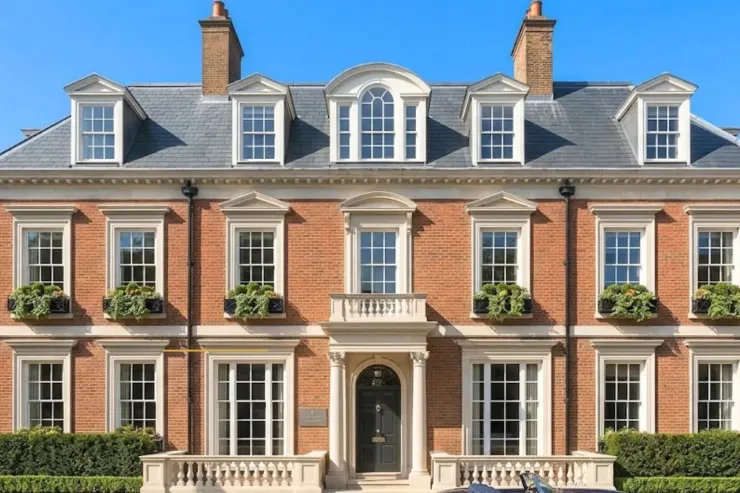
A UK-based family approached Enness Global seeking finance for the purchase of a family home in London valued at circa £6 million. The clients required borrowing at approximately 80% loan-to-value, allowing them to preserve more of their existing liquidity rather than increasing the cash contribution required for the purchase.
The challenge was that a conventional mortgage structure was unlikely to meet the family's borrowing requirements at the required loan-to-value. In addition, the clients' own income was not sufficient, on its own, to support the proposed level of borrowing under the criteria of many lenders.
A family member with an established business income was therefore considered as a joint borrower to support the mortgage application, while the purchasing clients remained the sole legal owners of the property. This created an additional layer of complexity, as the lender needed to be comfortable with the distinction between the individuals responsible for the borrowing and the ownership structure of the property.
Affordability also required a broader assessment than simply reviewing the family member's personal drawings from their UK limited company. While those drawings did not, in isolation, reflect the full level of financial resources available, the individual's wider interest in the business and historic ability to access profits formed an important part of the overall financial picture.
Enness identified a private banking lender prepared to assess the case on its individual merits. The application was structured around the family's wider circumstances, including the business income, available financial resources, existing commitments and the proposed mortgage and property-related costs.
The lender was comfortable considering the joint borrower structure while allowing the purchasing clients to remain the sole owners of the property. Following underwriting and lender approval, a mortgage of circa £4.8 million was completed at approximately 80% loan-to-value.
The structure enabled the clients to proceed with the purchase while reducing the need for additional funds to be withdrawn from the family business. The mortgage was also arranged without early repayment charges, providing greater flexibility should the clients' circumstances or repayment plans change in the future.
This case highlights the importance of lender selection and careful structuring in high-value mortgage transactions. Where income, business ownership and family borrowing arrangements do not fit neatly within a standard mortgage application, the right lender may be able to assess the wider financial position, subject to its individual criteria and underwriting requirements.
Information contained in our case studies is for market and illustrative purposes only. In some cases, these may be made up of multiple cases and are for illustrative purposes only.
Some case studies are made up of enquiries that have come into the business, not all business completes, and the posting of a case study does not represent a completed piece of business.
Property values can fall as well as rise, and you may not get back the amount originally invested. Property investments can be illiquid and may take time to sell. Where borrowing is used, your property may be repossessed if you do not keep up repayments on a mortgage or other loan secured against it.