
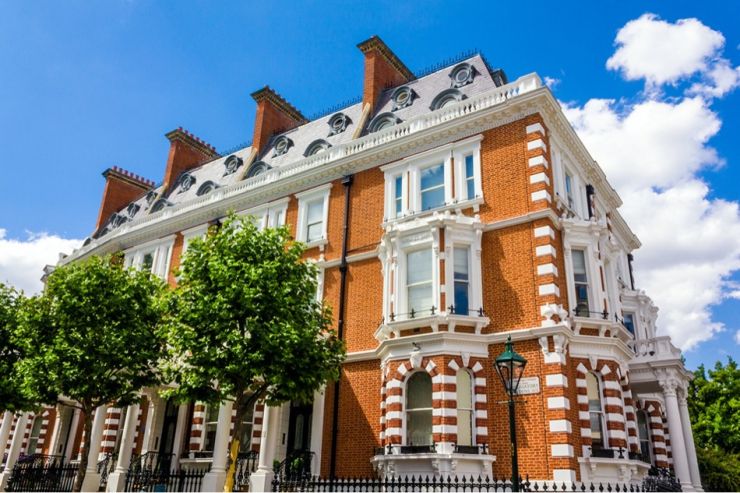
- Purpose: Equity release
- Property: Prime London property valued at £9M
- Mortgage amount: £5.85M
- LTV: 65%
- Legal owner: Offshore SPV
- Client: Bangladeshi national and UK resident
- Mortgage structure: Five-year interest-only
- Interest rate: 2.25% plus Bank of England Base Rate
- AUM: None required
Equity release against high-value London property can become considerably more complex where the property is held through an offshore special purpose vehicle (SPV) and the borrower has a diverse range of personal assets and income streams. Enness was approached by a successful hedge fund manager looking to refinance existing borrowing secured against a prime London property and release additional capital for future investment purposes.
The property was valued at £9M and was let to a third party at market rent. The client wanted to refinance the existing debt and raise a total of £5.85M, representing 65% loan to value (LTV).
The client’s financial circumstances required careful consideration. Income was variable and the client held a broad portfolio of personal assets, including real estate, unlisted investments and cryptocurrency holdings. The diversity of these assets meant that establishing their value and demonstrating the overall financial position required more detailed documentation than would typically be expected for a straightforward residential mortgage.
The ownership structure added another layer of complexity. The London property was held through an offshore SPV, meaning the lender needed to assess both the corporate ownership structure and the individual behind it. This also required coordination between the lender, legal advisers, accountant and corporate service provider.
Given the nature and scale of the transaction, a conventional high-street lender was unlikely to provide the flexibility required. Enness therefore approached private banking contacts with experience of high-value property and more complex international borrower profiles.
A private bank with a presence in Jersey was able to consider the wider circumstances of the application. Rather than relying solely on standard income documentation, the lender was prepared to consider a detailed letter from the client’s accountant setting out the value of the client’s investments, historical income and anticipated future income.
Following discussions and negotiations, Enness secured mortgage funding of £5.85M against the £9M property, representing 65% LTV. The facility was arranged on a five-year interest-only basis at a rate of 2.25% plus the Bank of England Base Rate at the time, with no assets under management requirement.
The equity release provided the client with additional liquidity while allowing the London property to remain within the existing ownership structure. The transaction was coordinated through Enness’ Jersey office, bringing together the various parties involved in the SPV structure and ensuring the financing process progressed efficiently.
This case demonstrates how high-value mortgage finance can be structured around complex asset portfolios and corporate ownership arrangements. For borrowers seeking equity release from a valuable UK property, an offshore SPV, variable income and diversified investments do not necessarily prevent finance from being considered, although they can require more detailed due diligence and specialist lender selection.
Enness works with private banks and specialist lenders on substantial property transactions, including large mortgages and equity release facilities. Each application is assessed according to the borrower’s individual circumstances, property, ownership structure and the lender’s criteria.
Information contained in our case studies is for market and illustrative purposes only. In some cases, these may be made up of multiple cases and are for illustrative purposes only.
Some case studies are made up of enquiries that have come into the business, not all business completes, and the posting of a case study does not represent a completed piece of business.
Property values can fall as well as rise, and you may not get back the amount originally invested. Property investments can be illiquid and may take time to sell. Where borrowing is used, your property may be repossessed if you do not keep up repayments on a mortgage or other loan secured against it.