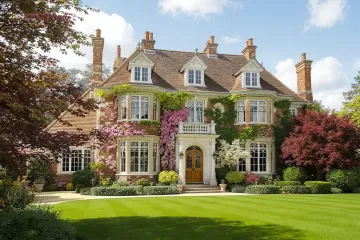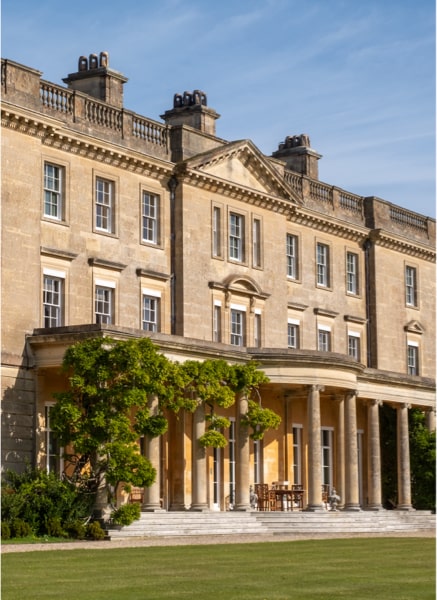
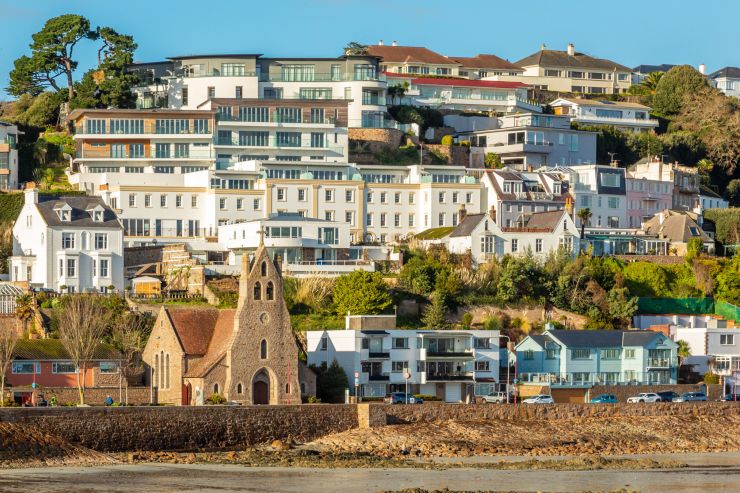
- Property: Jersey development site
- Purpose: Acquisition of a dilapidated property for redevelopment
- Purchase price: £3.5M
- Loan amount: £3.5M
- LTV: 100%
- Term: 15 months
- Interest rate: 10.50% per annum
- Servicing: Interest retained
Securing acquisition finance for a development site can become particularly challenging when the required borrowing represents 100% of the purchase price. Enness was approached by a client looking to acquire a dilapidated property in Jersey with the intention of securing planning consent and redeveloping the site into a luxury private residence.
The client had negotiated a purchase price of £3.5M, subject to obtaining planning consent for the proposed development. Once planning consent was granted, the client was required to complete the acquisition within a matter of weeks, creating a need for a funding solution that could be arranged within a tight timeframe.
Having previously worked with the client on another project, Enness was asked to source the most suitable funding available. The requirement presented an immediate challenge: the loan amount was equal to the entire purchase price, meaning that conventional lenders were unlikely to accommodate the transaction.
However, the underlying opportunity was more nuanced than the headline 100% LTV suggested. Planning consent had been granted, creating additional value in the development opportunity. The client also had previous experience in luxury property development, providing the prospective lender with greater confidence in the proposed project and the intended exit.
Enness therefore focused on specialist lenders capable of considering the acquisition and development opportunity on a bespoke basis. The number of lenders able to consider a transaction of this nature was limited, making appropriate lender selection particularly important.
Following discussions with suitable lending partners, Enness secured a £3.5M facility to fund the full purchase price. The bridging facility was arranged for a 15-month term at 10.50% per annum, with the interest retained within the facility rather than requiring monthly servicing during the term.
The retained-interest structure provided the client with greater cash-flow flexibility while they progressed the development plans. It also allowed the client to acquire the site without providing a cash deposit towards the purchase price.
The case demonstrates how specialist development bridging finance can be structured around an unusual acquisition where conventional mortgage lending is not appropriate. A 100% loan-to-value requirement can significantly narrow the lender pool, but experienced developers with a credible project and suitable planning position may have access to alternative funding solutions.
Enness works with specialist lenders across the property development and bridging finance markets, including transactions involving high LTV requirements, development sites and complex acquisition structures. The availability of finance will depend on the property, planning position, borrower experience, proposed exit and individual lender criteria.
Information contained in our case studies is for market and illustrative purposes only. In some cases, these may be made up of multiple cases and are for illustrative purposes only.
Some case studies are made up of enquiries that have come into the business, not all business completes, and the posting of a case study does not represent a completed piece of business.
Property values can fall as well as rise, and you may not get back the amount originally invested. Property investments can be illiquid and may take time to sell. Where borrowing is used, your property may be repossessed if you do not keep up repayments on a mortgage or other loan secured against it.