
- Clients: Couple with a combined income of approximately £200,000
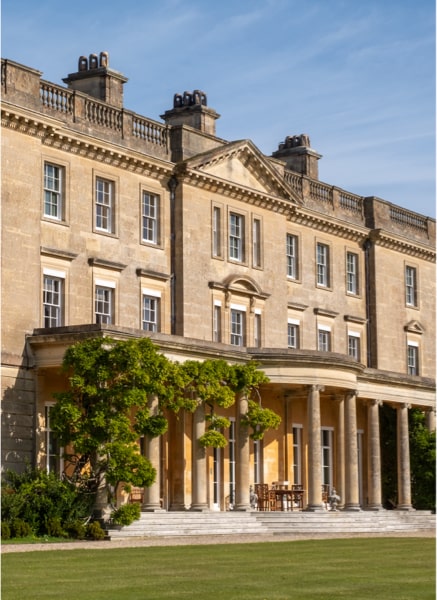
- Property: Self-built UK residential property
- Challenge: Existing affordability assessments limited borrowing despite the clients’ wider financial position and complex income structure
- Finance: £1.25 million interest-only mortgage at more than six times combined income
Affordability criteria can make it difficult for borrowers to secure the level of mortgage they require, even where their wider financial position supports a larger facility. Enness was approached by a couple looking to refinance development finance taken out to build their own home.
The clients had initially been offered borrowing of approximately £900,000 but wanted to raise this to around £1.25 million. Their combined income was approximately £200,000, meaning the required mortgage would represent more than six times their annual income.
Their income structure added further complexity. One of the clients was a shareholder in the company where they worked, meaning some lenders treated them as self-employed for mortgage assessment purposes. The other client was also self-employed and had been trading for four years, with income that had fluctuated over that period.
Maximising the amount of income that could be considered was therefore important. The application needed to demonstrate the clients’ underlying financial position while providing a lender with sufficient confidence around the sustainability of their income and their ability to maintain the proposed mortgage payments.
Enness reviewed lenders outside the conventional high-street market, including smaller building societies that could take a more flexible approach to complex income profiles. The clients’ wider financial position, income and expenditure were presented in detail to give the lender a complete picture of their circumstances.
This enabled the lender to take a more individual approach to the affordability assessment. Rather than applying a standard income multiple, the lender considered the clients’ overall profile and agreed to provide the level of borrowing required.
The resulting facility was an interest-only mortgage of £1.25 million, representing more than six times the clients’ combined income. This provided a route to refinance the existing development finance and move onto a longer-term mortgage structure for their completed home.
The case demonstrates how a large mortgage can sometimes be arranged where a conventional income multiple does not reflect the wider circumstances of the borrowers. For clients with complex or self-employed income, specialist lender access can be particularly valuable when a standard affordability assessment does not produce the required level of borrowing.
Information contained in our case studies is for market and illustrative purposes only. In some cases, these may be made up of multiple cases and are for illustrative purposes only.
Some case studies are made up of enquiries that have come into the business, not all business completes, and the posting of a case study does not represent a completed piece of business.
Property values can fall as well as rise, and you may not get back the amount originally invested. Property investments can be illiquid and may take time to sell. Where borrowing is used, your property may be repossessed if you do not keep up repayments on a mortgage or other loan secured against it.