
- Client: UK-based business owner
- Challenge: High loan-to-value borrowing where declared income fell below conventional lending thresholds
- Loan Amount: Circa 90% loan-to-value mortgage on a country property valued at circa £5M
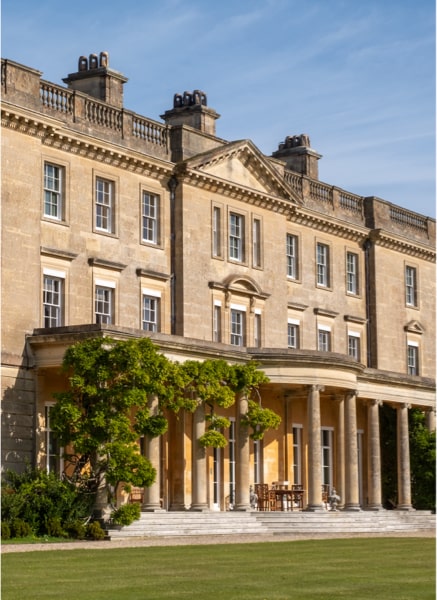
A UK-based business owner approached Enness seeking finance for the acquisition of a country property valued at circa £5M. Although the client had substantial underlying wealth and a highly valuable business, the case initially presented challenges from a conventional lending perspective. The client’s declared income fell below the thresholds typically required by mainstream lenders, and they also held borrowing against an existing residential property that they intended to retain.
At first glance, this profile sat outside the appetite of many traditional lenders. However, declared income only reflected a small part of the client’s overall financial position. The client owned a business that had grown significantly in value over recent years and was expected to generate a future liquidity event, strengthening the overall balance sheet and improving long-term financial flexibility. Like many entrepreneurs, the client had prioritised reinvestment into the business rather than drawing significant personal income.
The primary challenge was structuring a facility that reflected the client’s true financial strength rather than relying solely on historic taxable income. Many lenders assess affordability using salary, dividends, or declared personal earnings, which can disadvantage business owners who intentionally minimise drawings while focusing on long-term growth. In this case, the client’s tax returns did not accurately reflect broader wealth, liquidity potential, or repayment capacity.
Enness sourced a private banking solution capable of taking a holistic view of the client’s financial position. The lender assessed the client’s wider profile, including business performance, asset base, and future financial strength, rather than focusing solely on declared income. This broader approach allowed the transaction to be assessed on the full financial picture.
A mortgage was arranged at approximately 90% loan-to-value on an interest-only basis over a 10-year term. The structure enabled the client to complete the purchase while retaining flexibility ahead of the expected liquidity event and planned future improvements to the property.
This case highlights how traditional income-based lending models often fail to reflect the real financial strength of entrepreneurial borrowers. For business owners with significant asset value and future liquidity potential, the right lender will look beyond tax returns and assess the broader balance sheet and long-term repayment strategy. Through specialist structuring and private banking relationships, Enness delivered a bespoke solution aligned with the client’s wider financial objectives.
Disclaimer
This case study is anonymised and provided for illustrative purposes only. It does not constitute financial, legal, tax, or investment advice. Enness acts as a broker and not as a lender. All lending is subject to status, underwriting, valuation, and lender approval. Loan terms, pricing, and maximum loan-to-value ratios vary depending on individual circumstances, asset profile, and market conditions. Outcomes are not indicative of future results. Independent professional advice should be sought before entering into any financial arrangement.
Information contained in our case studies is for market and illustrative purposes only. In some cases, these may be made up of multiple cases and are for illustrative purposes only.
Some case studies are made up of enquiries that have come into the business, not all business completes, and the posting of a case study does not represent a completed piece of business.
Property values can fall as well as rise, and you may not get back the amount originally invested. Property investments can be illiquid and may take time to sell. Where borrowing is used, your property may be repossessed if you do not keep up repayments on a mortgage or other loan secured against it.