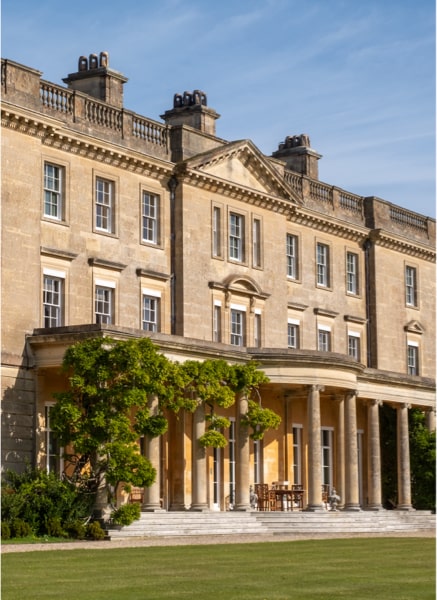
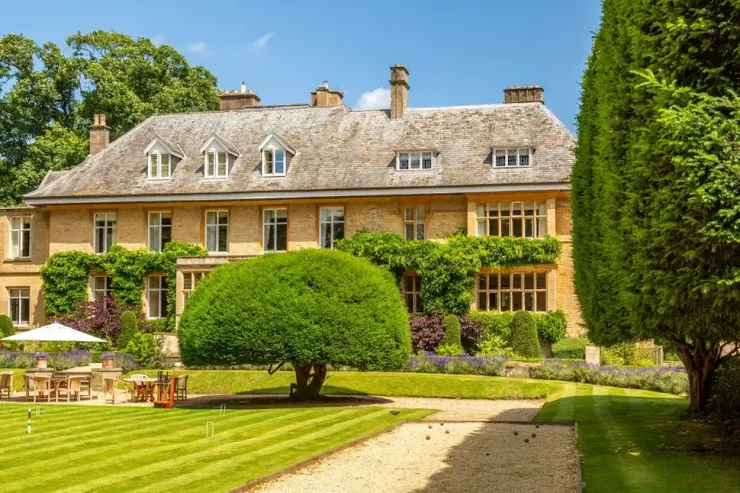
- Client: Owner of a high-value Cotswolds country residence
- Property: Country residence valued at circa £18M
- Refurbishment: Approximately £3M of works remaining
- Purpose: Refinance existing borrowing and fund completion of the refurbishment
- Structure: Interest rolled into the facility with no early repayment charges
Enness Global was approached by a client who owned a high-value country residence in the Cotswolds, valued at approximately £18M. The property had undergone significant refurbishment, with around £3M of works still required to complete the project to the intended standard. Once completed, the intention was to operate the residence as a premium short-stay hospitality asset.
The client required a refinancing solution that would repay the existing borrowing while releasing additional capital to fund the remaining refurbishment. As the property was not yet generating income, a conventional mortgage structure involving monthly interest payments would have placed additional pressure on cash flow during the works. The facility therefore needed to accommodate the client's funding requirements while the refurbishment was ongoing.
Enness Global structured a bespoke facility that refinanced the existing debt and released additional funds towards completion of the refurbishment. Interest was rolled into the facility rather than paid monthly, allowing the client to preserve liquidity throughout the works. The structure was aligned with a defined exit strategy, with the intention of refinancing onto conventional long-term holiday-let finance once the refurbishment was complete and the property had begun generating income.
An alternative repayment route was also available, supported by a future liquidity event, providing additional flexibility should the preferred long-term refinancing strategy not be appropriate at the time. This gave the client an alternative route for repayment while allowing the refurbishment programme to progress.
The facility was structured without early repayment charges, allowing the client to refinance or repay the borrowing following completion without incurring an additional early repayment charge, subject to the agreed facility terms. This provided flexibility as the property transitioned towards becoming an income-producing asset.
This case demonstrates how specialist property finance can support high-value refurbishment projects where an asset is temporarily non-income-producing. By combining additional capital, rolled interest and a defined exit strategy, Enness Global was able to structure a funding solution around the client's project timeline and longer-term objectives.
Important: Bridging finance is short-term borrowing and requires a credible and achievable repayment or exit strategy. Where repayment depends on completing refurbishment works and subsequently refinancing onto longer-term finance, delays, unexpected costs, changes in property values, affordability or lender criteria may affect the anticipated exit and the overall cost of borrowing. Where interest is rolled into the facility, the total amount repayable can increase.
Information contained in our case studies is for market and illustrative purposes only. In some cases, these may be made up of multiple cases and are for illustrative purposes only.
Some case studies are made up of enquiries that have come into the business, not all business completes, and the posting of a case study does not represent a completed piece of business.
Property values can fall as well as rise, and you may not get back the amount originally invested. Property investments can be illiquid and may take time to sell. Where borrowing is used, your property may be repossessed if you do not keep up repayments on a mortgage or other loan secured against it.