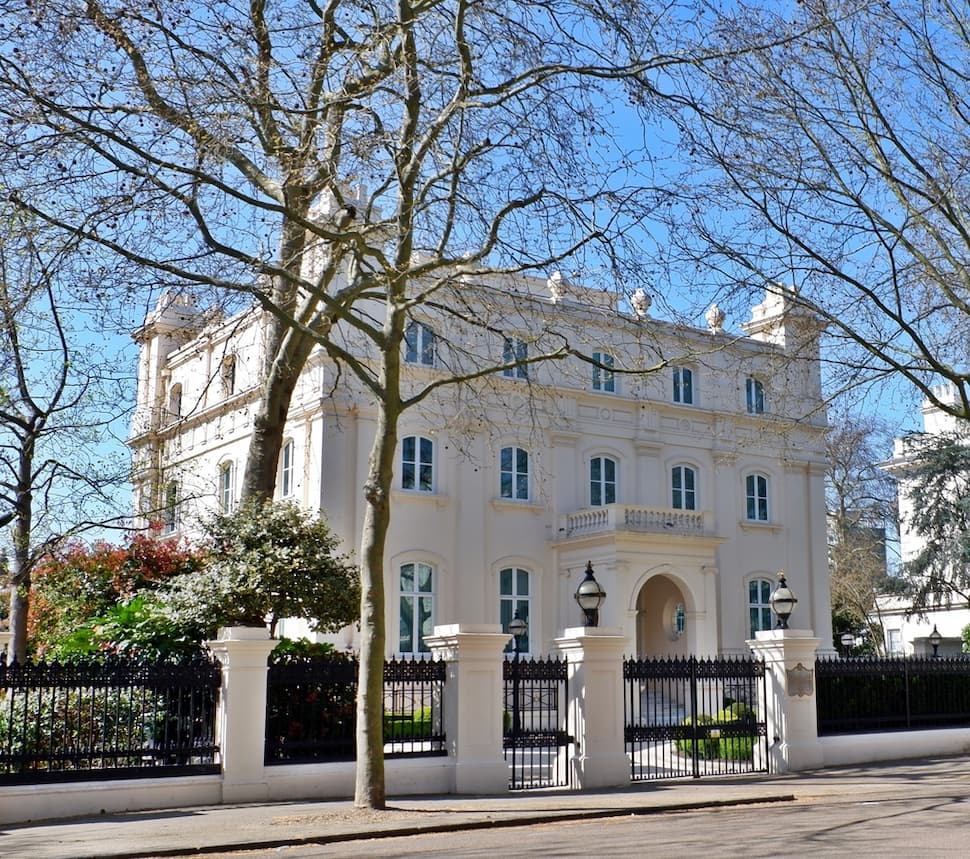
The UK government’s proposal for a new Mansion Tax, targeting properties valued above £2 million, has sent a noticeable tremor through the prime and super-prime property markets. This levy is expected to reshape the landscape for high-net-worth (HNW) and ultra-high-net-worth (UHNW) homeowners, particularly those with extensive real estate portfolios or long-standing ties to prime central London.
Islay Robinson, CEO at Enness Global, comments:
“The new surcharge on homes above £2 million adds further pressure to a part of the market that already carries a disproportionate share of the burden. However, with the right guidance and financial planning, homeowners and buyers can still confidently navigate this landscape. Mortgage lending remains accessible, and with strategic advice, there are opportunities to make sound investments while managing the impact of these changes. The key is to act proactively, not reactively, to maintain momentum and market confidence.”
For those who live, invest, and transact at the top end of the market, the Mansion Tax raises crucial questions:
How will it affect liquidity? What will it mean for valuations? Could it shift investment patterns, domestically or internationally? And, most importantly, what steps should affluent homeowners and advisers take now?
Get in the Know
Subscribe to our newsletter
In this article, we break down the essentials: what the Mansion Tax involves, who stands to be most affected, the financial and behavioural impact on the prime property sector, and the strategic options available. Whether you are a homeowner, investor, family office, or adviser, consider this your concise guide to staying ahead of the curve.
What is the Mansion Tax?
The Mansion Tax is a newly announced policy introduced in November 2025 in the Autumn Budget that is not yet in effect. Officially called the High Value Council Tax Surcharge (HVCTS), it will apply to properties in England valued over £2 million starting from April 2028, placing the focus squarely on the luxury end of the housing market.
Unlike income tax or capital gains tax, this measure is tied exclusively to the market valuation of high-value homes, effectively creating a recurring charge on ownership rather than on transactions.
At its core, the proposal is designed to tap into the wealth stored in prime and super-prime real estate, with the government positioning the policy as a tool to support public finances and address broader social priorities.
Key points include:
- Threshold: Applies to residential properties valued above £2 million
- Purpose: Positioned as a revenue-raising measure to support public services, social initiatives, and affordable housing programmes
In essence, the Mansion Tax seeks to ensure that owners of high-value homes contribute relative to the premium status, location, and market resilience of their properties. This represents a notable shift in the cost of luxury property ownership, one that requires careful planning and strategic oversight.
Mansion Tax Valuation Challenges
The Homeowners and Investors in the Mansion Tax Bracket
The Mansion Tax will most likely affect a segment concentrated heavily in London, Surrey, and the broader Southeast, regions where prime and super-prime values remain consistently robust.
Those most directly affected include:
- Private homeowners with luxury residences, estates, or long-held family properties now falling within the £2 million+ range
- Domestic and international property investors with exposure to prime UK real estate
- Overseas buyers who maintain UK homes as secondary residences, pied-à-terres, or long-term investments
- Developers holding multiple high-value units or managing luxury schemes awaiting sale
This encompasses a broad yet distinctive cohort of stakeholders across the UK’s upper-tier property market. For many, the introduction of an annual levy represents a meaningful adjustment to ownership costs and long-term tax liabilities, making proactive planning essential for preserving liquidity, protecting capital, and maintaining investment efficiency.
Financial Impact on Homeowners
How Will the Mansion Tax influence Your Annual Ownership Costs?
The introduction of the Mansion Tax would create a new, recurring cost for owners of high-value homes, one that could materially alter the economics of holding prime and super-prime property.
To illustrate the potential impact, it’s important to note that the annual liabilities are fixed amounts based on property value bands as of 2026, rather than being calculated as a percentage of value. The proposed bands are:
- £2.0m–£2.5m: £2,500 per year
- £2.5m–£3.5m: £3,500 per year
- £3.5m–£5.0m: £5,000 per year
- £5.0m+: £7,500 per year
For many homeowners and investors, these sums are manageable in isolation. However, when combined with existing ownership costs, mortgage interest, maintenance, service charges, and other taxes, they can become a meaningful drag on liquidity. Individuals who rely on rental yields, portfolio leverage, or capital appreciation to offset ongoing expenses may find that the Mansion Tax recalibrates their return profile.
In short, while the tax may not fundamentally disrupt wealthier households, it introduces an additional layer of annual cost that warrants careful forecasting, strategic financing, and, in many cases, a reassessment of long-term property strategy.
Potential Market Consequences
Will the Mansion Tax Cool the Luxury Property Market?
The potential introduction of a Mansion Tax is already prompting discussion across the prime and super-prime property sectors. While outcomes will vary by location and price point, industry sentiment suggests several meaningful shifts could occur should the levy take effect.
Key anticipated impacts include:
- Softening demand in the £2 million+ bracket, as some buyers factor the additional annual cost into their long-term affordability and investment calculations
- Price recalibration, with sellers adjusting expectations to reflect ongoing tax liabilities, particularly in segments where pricing was already finely balanced
- A shift in investor allocation, with renewed interest in non-property assets such as global equities, private markets, or international real estate where holding costs may be more favourable
- Increased mobility, as some homeowners consider downsizing or restructuring their property holdings to mitigate the annual expense
Collectively, these dynamics could create a cooling effect at the upper end of the market, influencing liquidity, negotiation power, and transaction volumes, especially in prime central London and the wider Southeast, where a significant proportion of homes exceed the £2 million threshold.
That said, the luxury property market has historically demonstrated remarkable resilience. While adjustments are likely, well-advised buyers and sellers may still find strategic opportunities amid the recalibration.
How to Mitigate the Impact
Strategic Approaches for Homeowners and Investors Navigating the Mansion Tax
Proactive planning is essential to manage, and potentially mitigate, the financial implications of the proposed Mansion Tax. With the right strategies, it’s possible to protect wealth, optimise cash flow, and maintain flexibility within your property portfolio.
Consider these key approaches:
- Portfolio diversification: Evaluate opportunities to rebalance your holdings by allocating capital to assets less exposed to property taxes, such as international real estate markets, equities, or alternative financial instruments.
- Optimise property use: Generating rental income, whether through leasing part of your residence or luxury short-term rentals, can help offset the increased annual costs associated with ownership.
- Comprehensive tax planning: Collaborate with expert financial and tax advisors to assess how the Mansion Tax interacts with other liabilities, including inheritance tax and capital gains tax, and explore structuring options to maximise efficiency.
- Property structuring and ownership models: Investigate legal frameworks such as trusts, joint ownership arrangements, or family partnerships. These can provide tailored solutions to manage tax exposure while preserving control and succession planning goals.
By adopting a measured, well-informed approach, homeowners and investors can confidently navigate the evolving landscape, transforming challenges into opportunities for long-term wealth preservation and growth.
Why Work with a Specialist Broker Like Enness Global?
Navigating the intricacies of high-value property taxation demands more than generic advice, it requires a partner with deep expertise and bespoke financial solutions tailored to the unique needs of HNW and UHNW individuals.
Enness Global stands apart by offering:
- Unrivalled expertise in luxury property markets and the complex tax landscape impacting affluent homeowners and investors
- Access to exclusive mortgage products, including specialist lending, remortgages, buy-to-let, and interest-only solutions designed specifically for HNW and UHNW clients
- Equity release expertise where appropriate, enabling you to release capital tied up in property without compromising ownership
- Strategic financial planning support aimed at optimising your property portfolio, managing tax liabilities effectively, and safeguarding your broader financial position
- A confidential, personalised service committed to protecting and growing your wealth amidst a dynamic and evolving tax environment
By partnering with Enness Global, you gain more than a specialist broker, you gain a trusted advisor dedicated to helping you navigate regulatory changes, enhance liquidity, and maintain the financial agility to seize opportunities in an increasingly complex market.
Conclusion: Preparing for the New Landscape of Mansion Taxation
The introduction of a Mansion Tax on properties valued above £2 million signals a significant evolution in the UK’s property tax framework. For homeowners and investors in the luxury market, this shift brings both challenges and strategic opportunities.
Staying informed, engaging expert financial and legal advice, and adopting proactive planning are vital to successfully navigating this changing environment. With thoughtful strategies in place, homeowners can safeguard their wealth, optimise their property portfolios, and maintain confidence amid evolving tax policies.
Given the complexities involved, partnering with experienced specialists like Enness Global ensures you receive bespoke guidance tailored to your unique circumstances.
New Mansion Tax FAQs
When does the mansion tax come into effect?
The new mansion tax is expected to take effect from April 2026, with tax bills reflecting valuations completed shortly before that date.
Who has to pay the mansion tax?
The tax is paid by the property owner, not renters or occupiers. This includes individuals, companies, trusts, and owners of second homes.
Does the mansion tax apply to second homes or holiday homes?
Yes. The surcharge applies to all qualifying residential properties, including second homes, pied-à-terres, and holiday properties owned for personal use.
Will the mansion tax replace standard council tax?
No. The mansion tax is a surcharge, meaning you still pay your normal council tax bill plus the additional high-value property charge.
How will the mansion tax affect property prices?
Market experts anticipate that some high-value homeowners may adjust asking prices to sit below the threshold, and prime areas may see a short-term pricing shift before the tax takes effect.
The views and opinions expressed in this piece are those of the author and do not constitute advice or a recommendation. They do not necessarily reflect the official policy or position of Enness and are not intended to indicate any market or industry viewpoints, or those of other industry professionals.
Financing options available to you will depend on your requirements and circumstances at the time.
If you are considering securing other debts again your main home, such as for debt consolidation purposes, please think carefully about this and consider all other options available to you. Your home may be repossessed if you do not keep up repayments on your mortgage or other debts secured on it.
Always seek advice from tax and legal professionals. Enness does not give tax advise or recommendations and you should seek professional advice to discuss your personal circumstances and requirements.

Islay Robinson, founder of Enness, is a specialist in high-value and complex mortgage transactions. He has played a key role in structuring and delivering bespoke financing solutions across a wide range of UK and international cases.