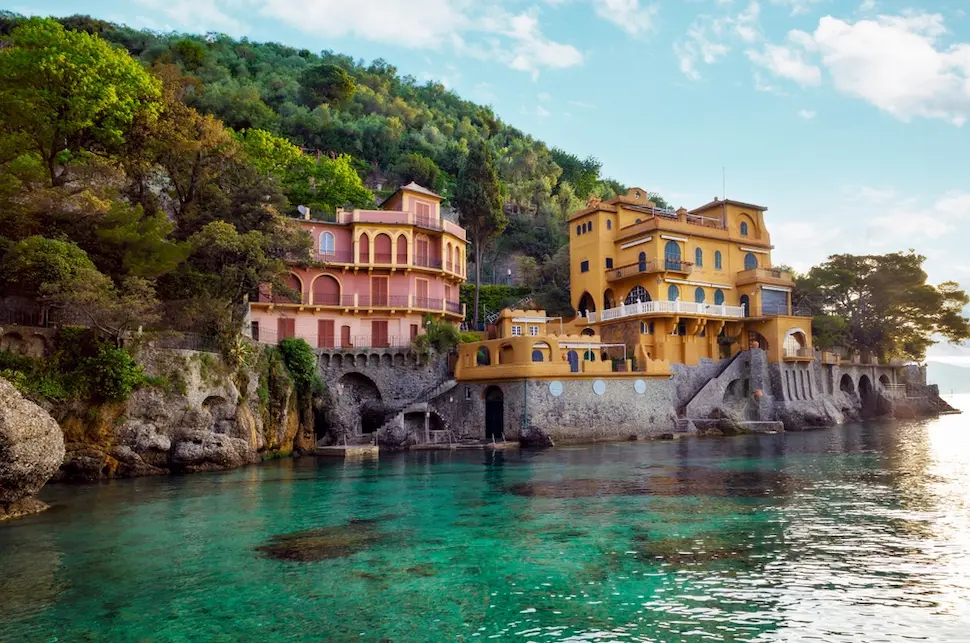
Buying luxury properties in Italy is a dream for many high-net-worth individuals. This can include a holiday home, a pied-à-terre, or a high-value investment. Italy boasts over 7,500 miles of coastline, picturesque lakes, rolling countryside, and vibrant cities such as Rome, Milan, and Florence.
Its strong rental market, lifestyle benefits, fine dining, culture, and year-round sunshine make it a top destination for international buyers.
Buying property abroad requires more than just finding the perfect location. Financing options, legal requirements, tax implications, and exit strategies must all be considered. Careful planning is essential.
“Buying a luxury property in Italy is exciting, but it can feel overwhelming if you’re not familiar with the process. That’s where we come in, guiding clients step by step, from understanding the market to navigating legal and financing options. Our goal is always to make the experience smooth, enjoyable, and tailored to each client’s lifestyle and investment goals.”
- Savanna Baile, International Mortgage Broker, Enness Global
In this article, we cover everything you need to know to buy a holiday home or investment property in Italy safely and efficiently. Enness specialises in arranging mortgages in Italy for non-residents, helping international clients acquire luxury homes seamlessly and efficiently.
Get in the Know
Subscribe to our newsletter
Why Buy Luxury Properties in Italy?
Buying luxury properties in Italy combines lifestyle appeal with strong investment potential. With €5.15 billion, invested in the first half of 2025, a 47% year-on-year increase, Italy is emerging as a leading recovery market in Europe.
The country offers a unique mix of culture, scenery, and high-value real estate, making it a top choice for high-net-worth individuals. Enness Global’s experience with international clients shows that understanding both lifestyle benefits and financial potential is key to a successful purchase.
Holiday Homes in Italy
Italy offers a stunning variety of locations for second homes. Whether you are seeking a countryside retreat, a coastal getaway, or a city pied-à-terre, there is a property to match every taste. From Tuscan villas to Amalfi Coast apartments, Italy caters to every luxury lifestyle.
Investment Potential in Italian Properties
Major cities such as Rome, Milan, Florence, and Venice have strong rental demand. They are ideal for both short-term holiday lets and longer-term tenants. Rural villas and historic estates also offer seasonal rental opportunities. Savvy buyers can combine charm with attractive financial returns.
Lifestyle and Tax Advantages
Italy provides more than beautiful scenery and cultural heritage. Many regions offer lifestyle perks and favourable tax treatment for non-resident buyers. Strategic property choices can enhance financial efficiency while delivering the quintessential Italian living experience.
Best Locations for Luxury Properties in Italy
Choosing the right location in Italy depends on your goals. Are you seeking a luxurious holiday home, a profitable investment, or both?
Tuscany & Umbria
Tuscany and Umbria are famous for rolling hills, vineyards, and charming countryside villages. These regions are perfect for private villas, historic estates, and agritourism properties. Many high-net-worth buyers choose them for both lifestyle retreats and income-generating estates.

Lakes & Coastal Areas
Italy’s lakes and coastline offer breathtaking views and a luxurious lifestyle. Lake Como, Lake Garda, the Amalfi Coast, and Sardinia are top choices for elegant holiday homes or scenic retreats. These areas are ideal for buyers who want beauty, privacy, and high-end living.

Major Cities
Rome, Milan, and Florence provide strong rental demand, vibrant cultural life, and high appreciation potential. These cities combine historical charm with modern amenities. They attract both tourists and long-term tenants, making them ideal for investment-focused buyers.

Emerging Markets
Smaller regions such as Puglia, Sicily, and Le Marche offer excellent value, charming properties, and untapped rental potential. These areas appeal to buyers seeking authenticity, privacy, and long-term growth opportunities.
Financing Luxury Properties in Italy
High-net-worth buyers have multiple financing options when purchasing a second property or investment home in Italy. Understanding these choices is key to securing the right deal and ensuring a smooth transaction.
Italian Mortgages for Non-Residents
Non-resident buyers can obtain mortgages from local Italian banks, typically covering 60-70% of the property value. Interest rates vary depending on property type, location, and the buyer’s financial profile.
While Italian mortgages can be complex for foreign investors, they remain a viable option for those seeking structured, long-term financing. Enness arranges mortgages in Italy for non-residents, ensuring you can access the most competitive and suitable rates for your situation.
Private Bank Mortgages
For high-value acquisitions, private banks can offer tailored private bank mortgage solutions that extend beyond standard lending.
Key details include:
- Minimum property size: €2,500,000
- Minimum loan amount: €2,000,000
- Maximum LTV: Up to 100% (cross-collateralised against AUM)
- Minimum Assets under Management (AUM): €1,000,000
- Rates from: Euribor 3M + 1.2% (subject to property, borrower profile, and AUM)
Private banks favour prime locations such as Lake Como, Milan, and Rome. Margins are based on property location, value, client potential, and AUM. More prime properties and higher AUM generally lead to better rates.
Clients can hold AUM in Luxembourg, Monaco, or Switzerland and choose capital + interest mortgages or interest-only loans. Cross-collateralising property and portfolio can make 100% financing achievable.
Bridging Finance & Short-Term Funding
For buyers who need to act quickly or secure properties before arranging long-term finance, bridging loans are an effective solution. These short-term funding options allow immediate acquisition, giving you time to finalise a mortgage or other financing arrangements. These are often used when acquiring highly-sought after luxury properties in Italy.
Key details include:
- Minimum loan amount: €2,000,000
- Maximum LTV: 65%
- Rates from: 1% per month
- Structure: Must be held within a company structure
Lenders favour prime areas with strong liquidity. Rates are more negotiable with higher-value assets and lower LTVs. Interest is usually retained, with no monthly payments due, and a clear exit strategy is required, such as a property sale, refinance, or liquidity events like a business sale.
Legal Steps to Buying Property in Italy
Purchasing property in Italy involves a structured legal process that protects both buyers and sellers. Understanding each step ensures a smooth transaction and helps avoid common pitfalls.
1. Codice Fiscale
Every property transaction in Italy requires a Codice Fiscale, the Italian tax identification number. This is essential for opening bank accounts, signing contracts, and registering property. Non-residents can obtain a Codice Fiscale through the Italian consulate in their home country or via an authorised local representative.
2. Preliminary Contract (Compromesso)
The Compromesso is the preliminary purchase agreement. It typically includes a deposit of 10-20% of the property price and clearly outlines the terms of the sale. Signing this contract effectively reserves the property, giving both parties legal assurance while due diligence is conducted.
3. Due Diligence
Before completing the purchase, it’s crucial to conduct thorough checks, including:
- Verifying ownership and title deeds
- Confirming zoning, planning permissions, and any liens or mortgages
- Ensuring the property complies with local regulations
Proper due diligence helps avoid legal complications and protects your investment, particularly in off-plan or historic properties.
4. Final Deed (Rogito Notarile)
The Rogito Notarile is the final deed of sale, signed before a notary. At this stage, the remaining balance and all relevant taxes are paid, and ownership is officially transferred. The notary also registers the property with the Land Registry, ensuring the transaction is legally binding.
Tip: Hiring a bilingual Italian lawyer is strongly recommended. They can guide you through contracts, verify compliance with local laws, and act in your best interests throughout the transaction.
Taxes and Additional Costs When Buying Property in Italy
When purchasing a second home or investment property in Italy, it’s essential to understand the associated taxes and fees, as these can significantly impact your overall budget.
- Registration Tax (Imposta di Registro): Typically, 9% for non-primary residences, this tax is applied to the property’s purchase price and must be paid upon transfer of ownership.
- Value Added Tax (IVA): Applies to new-build properties, ranging from 10% to 22%, depending on the property type and location.
- Annual Property Taxes: IMU and TASI are calculated based on the cadastral value and location of the property. These are recurring costs that buyers should budget for each year.
- Notary Fees: Usually 2-3% of the property value, covering legal validation of the contract and registration with the Land Registry.
- Estate Agent Fees: Generally, around 3% of the purchase price, paid to the agent facilitating the transaction.
Example: Purchasing a €1.5M villa in Tuscany could result in €120,000-€150,000 in additional costs, including taxes, notary fees, and agent commissions. Proper planning for these costs ensures a seamless transaction and prevents unexpected financial surprises.
Tips for a Smooth Property Purchase in Italy
Visit the Property in Person
Photos and virtual tours are useful but may not reveal hidden issues, such as structural concerns, surrounding noise, or access challenges. Visiting in person ensures you fully understand the property and its surroundings.
Evaluate Rental Potential
If purchasing as an investment, consider local rental demand, seasonal occupancy rates, and potential yields. Understanding the market helps ensure strong returns.
Budget for Renovations
Older villas and historic properties often need updates or maintenance. Allocate funds for renovations to preserve the property's value and enhance its appeal.
Open an Italian Bank Account
A local account simplifies payments for taxes, utilities, and property management fees. It also ensures compliance with Italian financial regulations.
Plan Currency Exchange
For buyers outside the Eurozone, locking in exchange rates or utilising specialist foreign exchange services can help manage costs and mitigate currency volatility.
Following these practical steps makes the property purchase process smoother, reduces risks, and provides peace of mind when investing in Italy’s competitive luxury property market.
Case Study: Luxury Property Acquisition in Italy
Client Goal
Enness assisted a client seeking a holiday home in a prime Italian location. The client planned to enjoy the villa with their family and considered relocating there once the children were older.
Property Selection
After careful evaluation, the client identified a villa valued at approximately €3 million. Their main objective was to secure a favourable interest rate via an interest-only loan with no amortisation schedule.
Financing Solution
Enness matched the client with a lender who could accommodate these specific requirements. The solution included:
- Interest rate: sub 1.3% + EURIBOR (3 months) for a 7-year interest-only term
- 100% financing of the purchase price, conditional on establishing a private banking relationship equivalent to 30% of the loan amount
- Flexibility to structure the purchase through a corporate entity rather than the client’s personal name
Outcome
This case illustrates how bespoke financing solutions and expert guidance from Enness enable high-net-worth buyers to efficiently secure premium Italian properties. The approach strikes a balance between lifestyle ambitions and strategic financial planning.
Conclusion
For high-net-worth individuals, acquring luxury properties in Italy is an exciting opportunity, but it requires careful planning, thorough financial preparation, and expert guidance. From selecting the ideal location to navigating legal requirements, taxes, and financing options, every step plays a crucial role in securing a profitable and stress-free investment.
High-net-worth buyers often benefit from working with international brokers and financial advisors, who can structure acquisitions efficiently, identify the best lenders, and ensure compliance with Italian regulations. Enness specialises in arranging Italian mortgages for non-residents, connecting clients with private banks, lenders and tailored solutions to secure luxury homes in prime Italian locations.
With the right approach, owning property in Italy offers more than just a luxurious retreat, it can deliver steady rental income, long-term appreciation, and a versatile asset for your portfolio. Whether as a personal getaway or a strategic investment, Italian property represents a unique combination of lifestyle and financial opportunity. If you are considering purchasing a property in Italy, we would be delighted to discuss your objectives and explore potential financing options for you.
Frequently Asked Questions (FAQs)
Q: Can non-residents buy luxury properties in Italy?
A: Yes. Both EU and non-EU citizens are permitted to purchase property in Italy. Non-EU buyers may need to provide additional documentation, such as proof of income, residency status, or financial declarations.
Q: Do I need a mortgage broker to purchase luxury properties in Italy?
A: Yes, it is highly recommended that non-resdients benefit from expert mortgage brokerage advice and support to access the best lenders, private banks, and financing structures.
Q: How long does property purchase in Italy take?
A: The process typically takes 4-12 weeks, depending on factors such as financing arrangements, property type, and the complexity of due diligence checks. Planning ahead helps avoid delays.
Q: What financing options are available for second homes in Italy?
A: High-net-worth buyers often use a combination of cash purchases, Italian mortgages, and bridging finance. Each option has unique advantages, from speed and negotiation power to structured long-term financing and short-term property funding solutions.