
- Client: International business owner with substantial assets across multiple jurisdictions
- Property: Berkshire family home valued at approximately £10 million
- Challenge: Required a substantial capital raise despite complex company accounts, fluctuating asset values and international income and assets
- Finance: £6.5 million capital raise at 65% LTV, with interest pre-funded, at 2.89% for 18 months
Large capital raises against high-value residential property can involve additional challenges where the borrower has a complex financial profile and significant business interests. Enness was approached following a referral from a private bank to assist an international business owner who was looking to release capital against a family property in Berkshire.
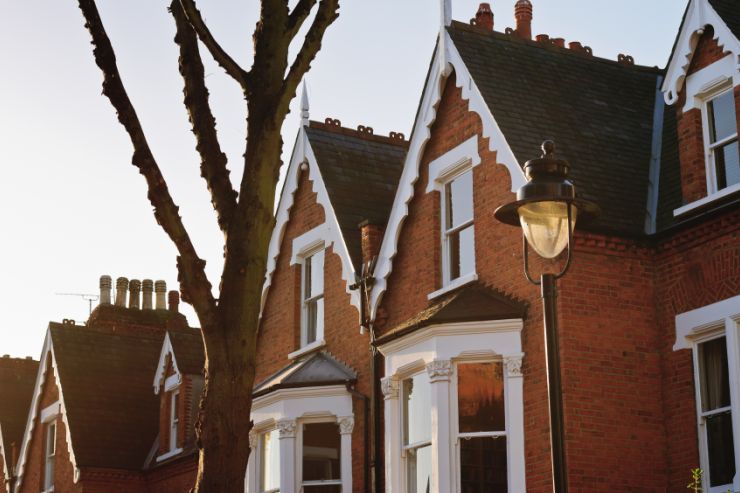
The client owned a family home in Berkshire valued at approximately £10 million, alongside substantial assets and business interests across London, Europe and Singapore. The requirement was to refinance the Berkshire property and raise approximately £6.5 million, representing 65% loan to value (LTV).
The capital was required to fund the remaining refurbishment of a separate high-value London property. The London property was undergoing significant works and required further funding before the refurbishment could be completed.
The client’s wider financial position presented several challenges for conventional lenders. A significant business asset had depreciated substantially over the preceding years, resulting in losses appearing within the company accounts. The company had only recently returned to showing a profit, meaning the accounts did not immediately present the straightforward financial picture that many lenders would typically prefer.
The client also had a complex income and asset structure spanning multiple currencies and jurisdictions. This meant that a lender would need to consider the wider financial position rather than relying solely on the recent company accounts when assessing the proposed borrowing.
Enness identified a lender with a flexible approach to high-net-worth borrowers and presented the circumstances in detail. A key consideration was distinguishing the losses associated with the heavily leveraged business asset from the client’s personal financial position and wider asset base.
Following discussions with the lender, a bespoke financing structure was agreed. The lender was prepared to provide 65% LTV against the £10 million Berkshire property, resulting in a £6.5 million capital raise.
The facility was arranged at a rate of 2.89% for an 18-month term at the time, with the interest pre-funded. This structure provided the required capital for the ongoing refurbishment of the London property while giving the client a defined short-term financing period.
The case demonstrates how large mortgage facilities can require a more detailed assessment of a borrower’s overall financial position, particularly where business assets, international holdings and complex income structures are involved.
For high-net-worth clients looking to raise capital against a residential property, specialist lender access can be particularly valuable where conventional affordability assessments do not fully reflect the borrower’s underlying assets and financial circumstances.
Where a substantial capital raise is being used to fund property refurbishment, the proposed works, existing property value and overall financing structure will also be important considerations for the lender.
Read the UK version of this case study.
Information contained in our case studies is for market and illustrative purposes only. In some cases, these may be made up of multiple cases and are for illustrative purposes only.
Some case studies are made up of enquiries that have come into the business, not all business completes, and the posting of a case study does not represent a completed piece of business.
Property values can fall as well as rise, and you may not get back the amount originally invested. Property investments can be illiquid and may take time to sell. Where borrowing is used, your property may be repossessed if you do not keep up repayments on a mortgage or other loan secured against it.