
- Clients: Couple recently returned to the UK from Singapore with combined income of approximately £400,000 per annum
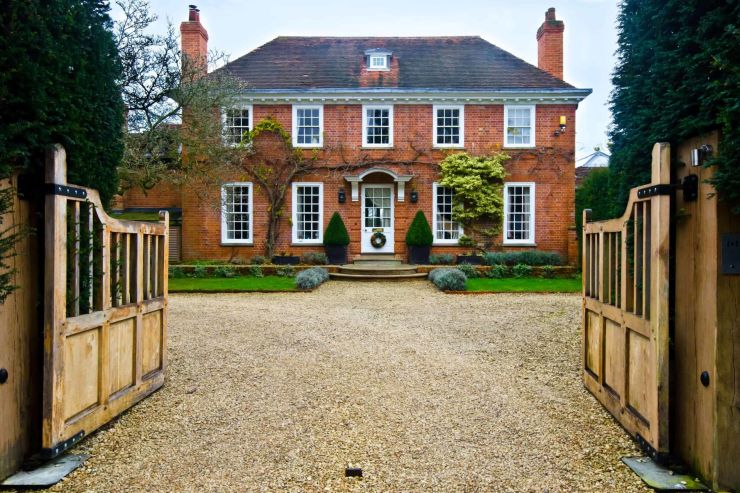
- Property: Family home near Reading valued at approximately £2.75 million
- Challenge: Required a high LTV with an interest-only element from a high-street lender
- Finance: 80% LTV mortgage structured on a part-and-part basis, fixed at 1.69% for two years over a 15-year term
High-value residential mortgages can become more challenging where borrowers require a high loan to value (LTV) combined with an interest-only element. This was the case for a couple who had recently returned to the UK after living in Singapore and were looking to purchase a family home near Reading.
The property was valued at approximately £2.75 million. The clients had both held senior professional positions and had a combined annual income of approximately £400,000. They wanted to maximise the amount they could borrow while keeping their monthly mortgage commitments manageable.
The clients specifically wanted Enness to approach a high-street lender rather than a private bank. However, the combination of the property value, the required LTV and the requested interest-only element made the application more challenging. High-street lenders will often take a more conservative approach to high LTV borrowing where an interest-only structure is involved.
A number of lenders considered for the application were only prepared to offer approximately 50% LTV based on the clients’ circumstances. This did not provide sufficient borrowing for the planned purchase, meaning a lender with a more flexible approach was required.
Enness approached a high-street lender with which it had an established relationship. Following discussions around the clients’ circumstances and requirements, the lender was prepared to offer an 80% LTV mortgage structured on a part-and-part basis. This allowed a proportion of the borrowing to be repaid on an interest-only basis while the remainder was structured for capital repayment.
The resulting mortgage was secured at a fixed rate of 1.69% for two years over a 15-year term. The structure provided the clients with the higher level of borrowing they required while helping to manage their regular mortgage commitments.
The case demonstrates how a large mortgage can sometimes be structured around a borrower’s specific repayment requirements rather than relying solely on standard high-street lending criteria. A part-and-part mortgage can, subject to lender criteria and an appropriate repayment strategy, provide a balance between reducing the capital balance and managing monthly payments.
For clients returning to the UK after living overseas, specialist mortgage finance can also help identify lenders able to consider international income histories and more complex borrowing requirements.
Read the UK version of this case study.
Information contained in our case studies is for market and illustrative purposes only. In some cases, these may be made up of multiple cases and are for illustrative purposes only.
Some case studies are made up of enquiries that have come into the business, not all business completes, and the posting of a case study does not represent a completed piece of business.
Property values can fall as well as rise, and you may not get back the amount originally invested. Property investments can be illiquid and may take time to sell. Where borrowing is used, your property may be repossessed if you do not keep up repayments on a mortgage or other loan secured against it.