- Client: UK Nationals and Residents
- Property Value: £1M
- Mortgage Funding: £570,000
- Additional Funding: £430,000
- LTV: 57%
- Mortgage Term: 25 years
- Repayment Structure: Capital repayment
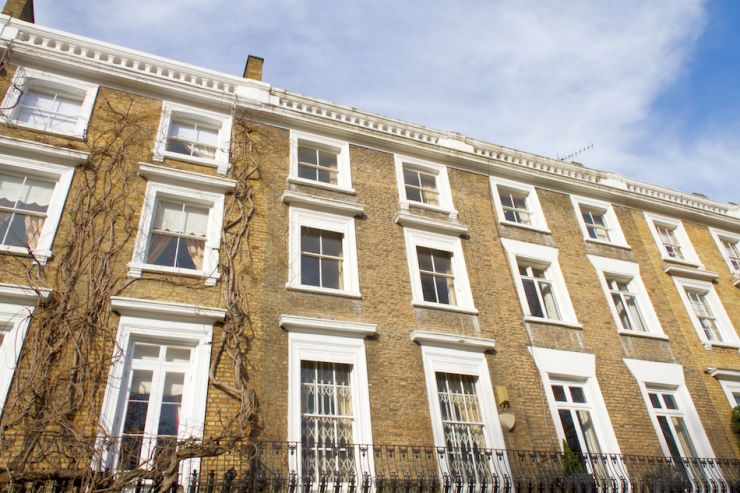
Enness was approached by UK-based clients looking to expand their family home by purchasing a second flat within the same building and eventually converting the two leasehold properties into one larger freehold house. The clients needed to refinance the existing mortgage on their current property while also raising sufficient funds to acquire the additional flat.
The proposed transaction presented a significant lending challenge. Most lenders would expect the two properties to be combined before providing mortgage finance against the resulting single property. In this case, however, the clients needed the funding to acquire the second flat before the conversion could take place. The initial security would therefore consist of two separate leasehold flats, with the intention of ultimately converting them into one freehold property.
The clients required combined mortgage funding of approximately £570,000 against a combined property value of £1M, representing an LTV of 57%. The funding included the refinancing of the existing mortgage alongside £430,000 of additional borrowing required to acquire the second flat.
Enness identified a lender willing to consider the transaction as a single mortgage facility, despite the unusual structure and the fact that the properties had not yet been combined. The lender was comfortable taking security over the two individual leasehold properties initially, with the intention that the security would subsequently become one freehold property once the conversion was completed.
The transaction was structured on a 25-year capital repayment basis. This repayment structure provided the lender with additional security and headroom, while the relatively modest 57% LTV helped support the overall proposition. The lender also took the property's future freehold structure into consideration when assessing the proposal.
This approach meant the clients could refinance their existing mortgage and acquire the second flat without first arranging separate short-term finance to complete the purchase and conversion. It provided a more streamlined route towards their objective of creating one larger family home.
The case demonstrates the importance of identifying a lender willing to assess the complete transaction rather than applying standard lending criteria to each stage individually. Leasehold and freehold considerations, the proposed conversion and the requirement to combine existing refinancing with additional acquisition finance all needed to be considered as part of one overall structure.
Enness has access to more than 1,000 lenders and specialises in arranging bespoke finance for complex property transactions. Our experience across residential mortgages, refinancing and specialist property finance allows us to identify alternative structures where a conventional mortgage may not be suitable.
For clients looking to acquire, refinance or restructure residential property as part of a more complex transaction, remortgage solutions and other bespoke forms of finance may provide an alternative to conventional funding routes.
If you are considering a complex property transaction and require a tailored financing solution, speak to a mortgage specialist to discuss your requirements.
Read the UK version of this case study.
Information contained in our case studies is for market and illustrative purposes only. In some cases, these may be made up of multiple cases and are for illustrative purposes only.
Some case studies are made up of enquiries that have come into the business, not all business completes, and the posting of a case study does not represent a completed piece of business.
Property values can fall as well as rise, and you may not get back the amount originally invested. Property investments can be illiquid and may take time to sell. Where borrowing is used, your property may be repossessed if you do not keep up repayments on a mortgage or other loan secured against it.