
- Client: Emirati National and Resident
- Property Value: Circa £3 million GDV
- Product: 12-month bridging loan
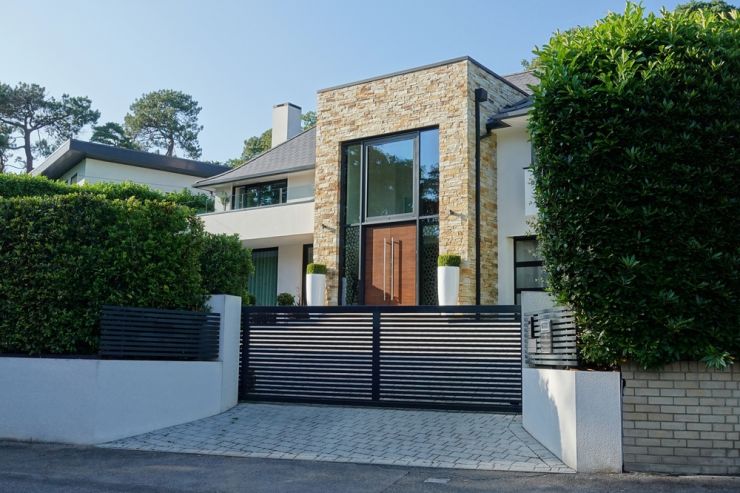
Enness was approached by an Emirati client who owned a property with an estimated gross development value of circa £3 million. The property was currently uninhabitable and required a complete renovation, with the client looking to fund the works without liquidating their existing investments.
As the client was based in the Middle East and held much of their wealth overseas, preserving their existing investments was an important part of the financing strategy. The challenge was therefore to find a lender willing to consider both the property in its current condition and the client’s wider financial position.
A key part of the process was establishing an appropriate value for the property in its existing state. Enness worked closely with a valuer over several months to assess the property and determine its current residual value. This provided the lender with additional information on the security and helped establish an appropriate level of borrowing for the project.
The client’s limited experience with property renovation initially presented another consideration. The lender needed to assess the proposed works and the client’s ability to deliver the project. Enness helped address this by demonstrating that the client had appointed an experienced contractor and was working with the appropriate professional advisers, including planning consultants and architects.
With these considerations addressed, Enness secured a 12-month bridging facility on terms suited to the proposed transaction. The funding allowed the client to progress with the renovation without having to liquidate their wider investment portfolio.
For the client, the structure provided the flexibility needed to focus on the project while preserving their existing wealth. It also supported their longer-term objective of continuing to build their UK property portfolio.
This case highlights the importance of considering the property, proposed works and borrower’s wider financial position together when arranging development or renovation finance. Where a project does not fit standard lending criteria, the experience of the professional team and the proposed exit strategy can be important considerations alongside the property itself.
Enness works with specialist lenders to arrange bridging finance for complex property projects, including situations involving overseas borrowers and properties requiring significant renovation. If you are looking to fund a UK property renovation without liquidating existing investments, speak to a mortgage specialist to discuss your options.
Important: Bridging finance is short-term borrowing and requires a credible and achievable repayment or exit strategy. Where repayment depends on completing renovation works and a future sale or refinance, delays, unexpected costs or changes in property values may affect the anticipated exit and the overall cost of borrowing. A projected gross development value is an estimate and does not guarantee the eventual value achieved.
Read the UK version of this case study.
Information contained in our case studies is for market and illustrative purposes only. In some cases, these may be made up of multiple cases and are for illustrative purposes only.
Some case studies are made up of enquiries that have come into the business, not all business completes, and the posting of a case study does not represent a completed piece of business.
Property values can fall as well as rise, and you may not get back the amount originally invested. Property investments can be illiquid and may take time to sell. Where borrowing is used, your property may be repossessed if you do not keep up repayments on a mortgage or other loan secured against it.