- Properties: Ealing and Eaton Square, London
- Combined property value: £9.425M
- Loan amount: £6.5975M
- LTV: 70%
- Mortgage type: Interest-only
- Rate: 1.79% fixed for five years
- Client: Hedge fund manager
- Purpose: Purchase of a second residential property in London
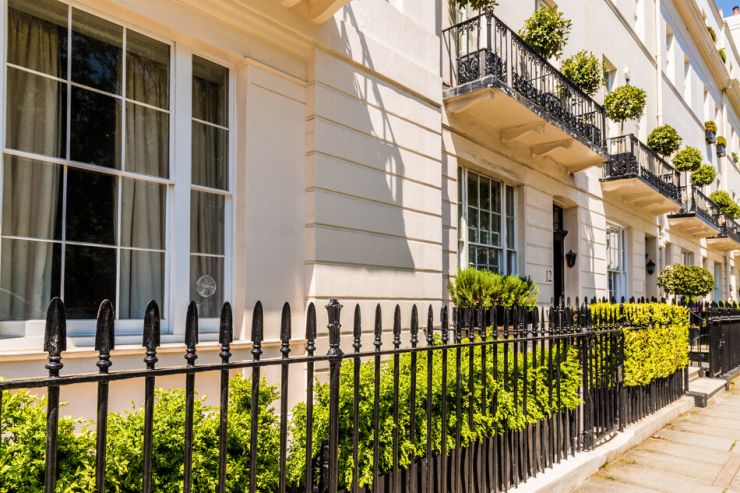
High-value residential purchases can require a bespoke approach when a client is looking to secure substantial mortgage finance. Enness was approached by a hedge fund manager seeking to purchase a second residential property in London, with the overall transaction involving properties in Ealing and Eaton Square.
The Ealing property was valued at approximately £3.2M, while the Eaton Square property was valued at approximately £6.25M. Together, the properties had a combined value of £9.425M. The client required mortgage funding of £6.5975M, representing a 70% loan to value (LTV).
A 70% LTV represented a relatively high level of borrowing for this type of high-value transaction. The client was also looking for an interest-only structure, making it important to identify a lender comfortable with both the size of the mortgage and the proposed repayment structure.
Enness assessed the overall circumstances and approached lenders capable of considering the scale and structure of the requirement. For high-value borrowers, an interest-only mortgage can provide greater flexibility over monthly cash flow, although eligibility and repayment arrangements remain subject to individual lender criteria.
Following negotiations, Enness secured a £6.5975M mortgage against the £9.425M combined property value. The facility was structured on an interest-only basis at a fixed rate of 1.79% for five years.
The agreed structure provided the client with the required level of funding while giving certainty over the mortgage rate for the initial five-year period. The 70% LTV also allowed the client to retain a 30% equity position across the properties.
The case demonstrates the importance of lender selection when arranging a high-value mortgage. Larger transactions can involve different underwriting considerations from standard residential mortgages, particularly where a borrower requires a high LTV and interest-only structure.
Enness works with traditional banks, private banks and specialist lenders across the market, helping clients explore funding structures based on their individual circumstances. For borrowers considering high LTV mortgages, the appropriate solution will depend on factors including income, assets, property values, affordability, LTV and lender criteria.
Read the UK version of this case study.
Information contained in our case studies is for market and illustrative purposes only. In some cases, these may be made up of multiple cases and are for illustrative purposes only.
Some case studies are made up of enquiries that have come into the business, not all business completes, and the posting of a case study does not represent a completed piece of business.
Property values can fall as well as rise, and you may not get back the amount originally invested. Property investments can be illiquid and may take time to sell. Where borrowing is used, your property may be repossessed if you do not keep up repayments on a mortgage or other loan secured against it.