
- Client: German national and UK resident
- Property: Townhouse in Pimlico
- Property value: £1.9M
- Loan amount: £1.425M
- LTV: 75%
- Bridging margin: 0.75% per month
- Arrangement fee: 2%
- Term: 12 months
- Exit: Investment mortgage following refurbishment
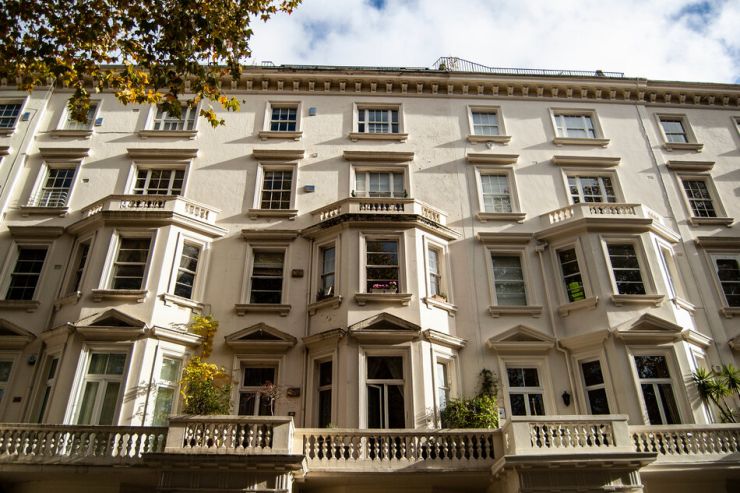
Bridging finance can provide a useful short-term funding solution when a property requires significant refurbishment and a buyer needs to complete within a tight timeframe. Enness was approached by a German national and UK resident working in investment banking who had purchased a Pimlico townhouse at auction for approximately £1.9M.
The property required a full refurbishment, and the client had only three weeks in which to complete the purchase. This created a clear need for a funding solution that could be arranged quickly while also providing sufficient flexibility to cover the proposed works.
Given the auction purchase and short completion deadline, a conventional mortgage was unlikely to provide the speed required. The client therefore required short-term finance that could facilitate the acquisition while the refurbishment was undertaken.
Enness identified bridging finance as an appropriate structure for the initial acquisition. A £1.425M facility was arranged against the £1.9M property value, representing a 75% loan to value (LTV).
The facility was structured over 12 months at a margin of 0.75% per month, with a 2% arrangement fee. This provided the client with the time required to complete the refurbishment and prepare the property for its next stage of financing.
Following completion of the refurbishment works, the property value increased to approximately £2.5M. The revised valuation supported the next stage of the client’s financing strategy, with the property subsequently refinanced onto an investment mortgage.
The case demonstrates how a large bridging loan can be used to acquire a property requiring substantial refurbishment before transitioning onto longer-term finance. For auction purchases in particular, the ability to move quickly can be important where the buyer has a short period in which to complete.
Bridging finance may also be considered where a borrower needs to acquire a property before an expected cash inflow, purchase a new property before selling an existing one or undertake refurbishment before refinancing. The appropriate structure will depend on the borrower’s circumstances, property, valuation, proposed works and exit strategy.
Enness works with specialist lenders on complex property transactions and can explore potential short-term funding structures where conventional mortgage finance may not meet the required timescale or circumstances.
Important: Bridging finance is short-term borrowing and requires a clearly defined repayment or exit strategy. Where repayment depends on refurbishment, refinancing or a subsequent property valuation, delays, unexpected costs or changes in property values may affect the anticipated exit and the overall cost of borrowing.
Read the UK version of this case study.
Information contained in our case studies is for market and illustrative purposes only. In some cases, these may be made up of multiple cases and are for illustrative purposes only.
Some case studies are made up of enquiries that have come into the business, not all business completes, and the posting of a case study does not represent a completed piece of business.
Property values can fall as well as rise, and you may not get back the amount originally invested. Property investments can be illiquid and may take time to sell. Where borrowing is used, your property may be repossessed if you do not keep up repayments on a mortgage or other loan secured against it.