
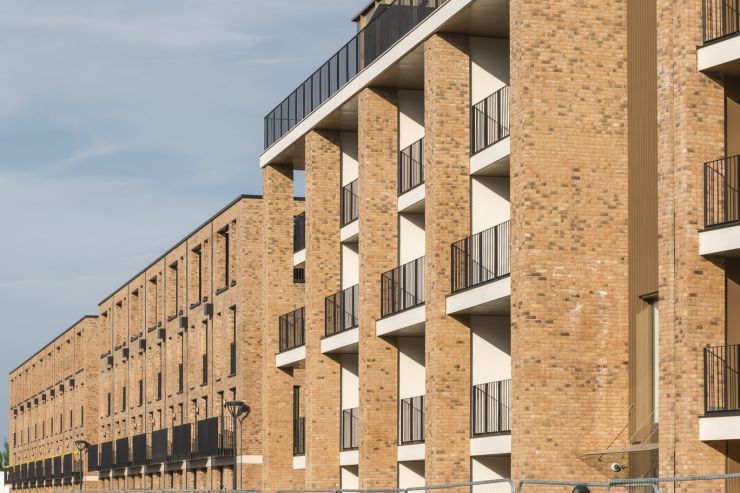
- Client: Property investor purchasing a new-build buy-to-let property in East London
- Property: New-build residential investment property in East London
- Challenge: Existing lender withdrew two weeks before completion after the client had already paid a 10% deposit
- Finance: 70% LTV bridging facility at 0.75% per month with a 2% arrangement fee
Bridging finance can provide a valuable short-term solution when a property transaction is approaching completion and an existing lender unexpectedly withdraws. Enness was approached by a property investor who needed to secure replacement finance for a new-build buy-to-let property in East London.
The client had committed to the purchase approximately 18 months earlier and had already paid a 10% deposit. However, with only two weeks remaining before the scheduled completion date, the original lender withdrew from the transaction.
This left the client with a significant amount of capital already committed and a very limited timeframe in which to secure an alternative source of finance. Failure to complete within the agreed timeframe could have put the transaction and the substantial deposit already paid at risk.
Given the short deadline, a conventional buy-to-let mortgage was unlikely to provide the speed required. The priority was therefore to identify a lender able to provide short-term bridging finance quickly, allowing the purchase to proceed while providing additional time to arrange longer-term finance.
Enness approached a suitable bridging lender and was able to secure a facility at 70% loan to value (LTV). The facility was priced at 0.75% per month with a 2% arrangement fee at the time.
The bridging facility allowed the client to proceed with the purchase within the required two-week timeframe, protecting the substantial deposit already committed to the transaction. It also provided a six-month period in which to arrange the longer-term mortgage finance required for the buy-to-let property.
The case demonstrates how residential bridging finance can provide a flexible solution when a transaction is approaching completion and conventional finance is no longer available within the required timeframe. For property investors facing unexpected lender withdrawals or tight completion deadlines, specialist short-term finance can provide valuable additional time to put longer-term funding in place.
Access to a broad range of specialist lenders can be particularly important where finance needs to be arranged within a matter of weeks and the consequences of missing completion are significant.
Read the UK version of this case study.
Information contained in our case studies is for market and illustrative purposes only. In some cases, these may be made up of multiple cases and are for illustrative purposes only.
Some case studies are made up of enquiries that have come into the business, not all business completes, and the posting of a case study does not represent a completed piece of business.
Property values can fall as well as rise, and you may not get back the amount originally invested. Property investments can be illiquid and may take time to sell. Where borrowing is used, your property may be repossessed if you do not keep up repayments on a mortgage or other loan secured against it.