
- Client: EU national and British resident
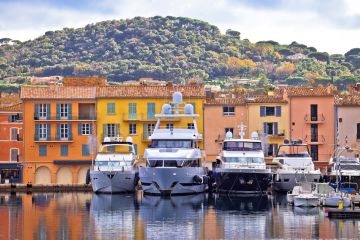
- Property: Luxury villa in Saint-Tropez
- Property value: €6M
- Loan amount: €3.9M
- LTV: 65%
- Mortgage type: Fixed-rate mortgage
- Fixed period: 10 years
- Rate: 1.1%
- Purpose: Property purchase and liquidity preservation
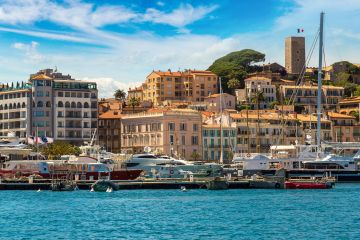
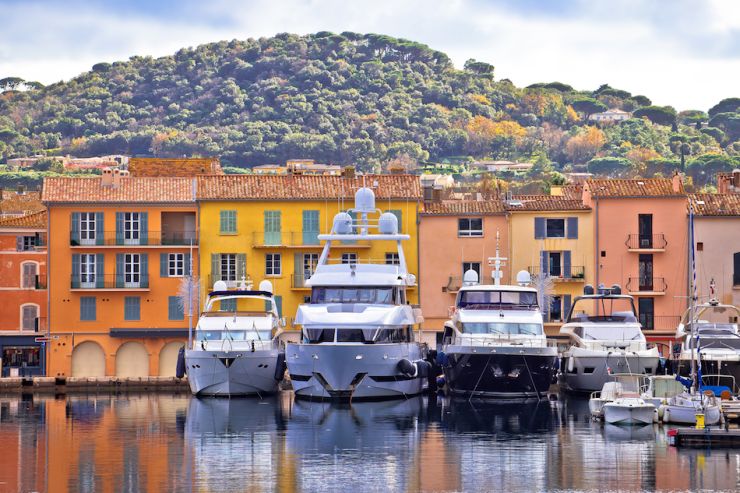
The French Riviera has long attracted international property buyers seeking luxury residences and second homes. Saint-Tropez remains one of the region’s most sought-after markets, particularly among high-net-worth individuals looking for prime property on the French coast.
Enness was approached by an EU national and British resident who was looking to purchase a luxury villa in Saint-Tropez for approximately €6M. Rather than committing the full purchase price in cash, the client wanted to use mortgage finance to preserve liquidity while completing the acquisition.
The timing of the purchase added an additional consideration. The transaction was taking place during the summer, meaning the client required a financing solution that could be arranged efficiently without compromising the overall structure of the mortgage.
As an international borrower purchasing property in France, the client needed a lender comfortable with their nationality and UK residency as well as the value and location of the property. The objective was to identify a suitable lender and structure the borrowing around the client’s wider financial circumstances.
Enness assessed the transaction and approached appropriate lenders within the French mortgage market. The combination of the client’s residency, the high value of the property and the requirement to retain liquidity meant that lender selection was particularly important.
Following negotiations, Enness secured a €3.9M mortgage against the €6M Saint-Tropez villa, representing a 65% loan to value (LTV). The mortgage was arranged at a fixed rate of 1.1% for 10 years.
The resulting structure enabled the client to finance a significant proportion of the purchase while retaining capital outside the property. The long fixed-rate period also provided certainty over the applicable mortgage rate for the agreed period, subject to the terms of the facility.
The case demonstrates how international borrowers can use bespoke French mortgage finance when purchasing high-value property. For non-French residents, the appropriate lender and mortgage structure will depend on factors including nationality, residency, income, assets, property value, LTV and the individual lender’s criteria.
Enness has experience arranging international property finance for high-net-worth clients purchasing property across France, including the French Riviera. The appropriate financing structure should always be assessed against the borrower’s individual circumstances and wider financial position.
Read the UK version of this case study.
Information contained in our case studies is for market and illustrative purposes only. In some cases, these may be made up of multiple cases and are for illustrative purposes only.
Some case studies are made up of enquiries that have come into the business, not all business completes, and the posting of a case study does not represent a completed piece of business.
Property values can fall as well as rise, and you may not get back the amount originally invested. Property investments can be illiquid and may take time to sell. Where borrowing is used, your property may be repossessed if you do not keep up repayments on a mortgage or other loan secured against it.