

- Client: UK-based UHNW individual
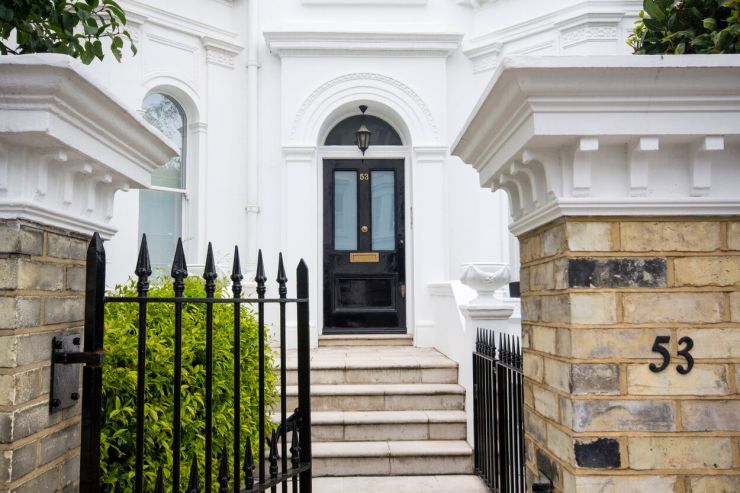
- Property: Freehold house in Kensington
- Security value: £8.5M
- Loan amount: £1.5M
- LTV: Approximately 18%
- Product: Second charge bridging loan
- Margin: 8.49% per annum
- Arrangement fee: 1%
- Exit fee: 0.5%
- Purpose: Release funds to purchase a new property while the existing Kensington property was updated and prepared for sale
For high-net-worth borrowers with substantial property assets, a second charge facility can provide access to capital without requiring an existing first charge mortgage to be replaced. Enness was approached by a UK-based UHNW client who was looking to sell an existing Kensington property valued at approximately £8.5M and purchase another property.
The client already had a first charge mortgage secured against the Kensington property at an interest rate of 1.0% per annum, with a further 10 years remaining on the facility. As the client was 70 years old, replacing the existing mortgage with a new long-term facility was not a viable option.
The challenge was therefore to raise additional capital without disturbing the existing first charge. The client required £1.5M to facilitate the purchase of the new property while the Kensington house was updated and prepared for sale.
The existing first charge and the client’s age significantly influenced the structure of the transaction. Rather than refinancing the existing mortgage and potentially losing the favourable terms already in place, Enness considered a second charge bridging facility against the property.
The substantial value of the Kensington property provided considerable security for the additional borrowing. Against a security value of £8.5M, the new £1.5M facility represented an LTV of approximately 18% on the property, although the overall secured position also needed to take the existing first charge into account.
Enness approached the specialist bridging market and negotiated a second charge facility designed around the client’s circumstances and intended exit. The resulting loan provided £1.5M of additional capital at a margin of 8.49% per annum, with a 1% arrangement fee and 0.5% exit fee.
The facility allowed the client to access the required funds without replacing the existing first charge mortgage. The intended strategy was to use the bridging facility to support the purchase of the replacement property, while the Kensington property was updated and subsequently sold.
This case demonstrates how second charge bridging finance can provide an alternative where refinancing an existing mortgage is unsuitable. For borrowers with substantial equity and an existing first charge that they do not wish to disturb, a second charge may provide a means of accessing additional capital, subject to lender criteria and a suitable exit strategy.
Enness works with specialist lenders across the bridging finance market and can structure facilities around complex circumstances, including high-value property, existing debt and time-sensitive purchases. The appropriate solution will depend on the property, existing borrowing, borrower profile and proposed exit.
SECOND CHARGE BRIDGING FINANCE IS SHORT-TERM BORROWING AND REQUIRES A CREDIBLE EXIT STRATEGY. DELAYS, CHANGES IN MARKET CONDITIONS OR UNEXPECTED COSTS MAY AFFECT THE EXIT AND OVERALL COST OF BORROWING. RATES AND FEES REFERENCED RELATE TO A HISTORICAL TRANSACTION AND ARE NOT INDICATIVE OF CURRENT OR FUTURE PRICING.
Read the UK version of this case study.
Information contained in our case studies is for market and illustrative purposes only. In some cases, these may be made up of multiple cases and are for illustrative purposes only.
Some case studies are made up of enquiries that have come into the business, not all business completes, and the posting of a case study does not represent a completed piece of business.
Property values can fall as well as rise, and you may not get back the amount originally invested. Property investments can be illiquid and may take time to sell. Where borrowing is used, your property may be repossessed if you do not keep up repayments on a mortgage or other loan secured against it.