
THE SCENARIO
Enness was approached by an entrepreneur who had built a successful fitness business and was looking to purchase a long-term family home in West London. Having reinvested much of their wealth into the business, the client wanted to maximise the borrowing available and was targeting a loan-to-value of approximately 80%.
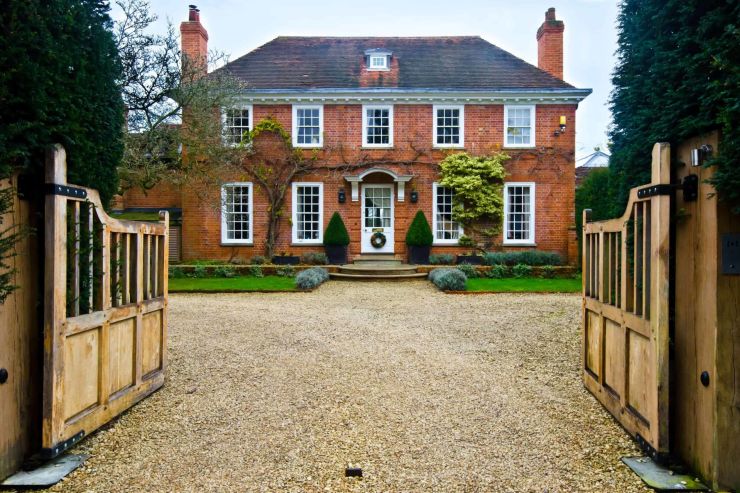
The property was a semi-detached house valued at £1.9 million. The client’s main business was a gym, with membership fees providing the majority of turnover. Alongside the gym, they also operated an on-site café and retail shop.
Although these activities operated under separate entities and trading names, they were closely connected and ultimately owned by the same shareholders. This structure created a challenge when assessing affordability, as the client wanted the lender to consider earnings generated across the wider group rather than assessing each company in isolation.
OUR SOLUTION
Enness reviewed the structure of the businesses and identified a lender prepared to take a broader view of the client’s overall financial position. The relationship between the three entities was clearly presented, including their shared ownership, location and connection to the wider fitness operation.
The application also provided context around the client’s track record of running the businesses and the established nature of the underlying operation. This enabled the lender to assess the different sources of remuneration alongside the wider business structure, rather than relying solely on a conventional assessment of each entity.
A five-year fixed-rate mortgage was arranged on a capital and interest repayment basis, allowing the client to proceed with the purchase while retaining the desired level of borrowing.
This case demonstrates how a detailed understanding of interconnected businesses and their underlying financial position can be important when arranging a mortgage for entrepreneurs with more complex income structures. Specialist lenders may offer greater flexibility where standard lending criteria do not fully reflect the way a business owner’s income is generated.
Read the UK version of this case study.
Information contained in our case studies is for market and illustrative purposes only. In some cases, these may be made up of multiple cases and are for illustrative purposes only.
Some case studies are made up of enquiries that have come into the business, not all business completes, and the posting of a case study does not represent a completed piece of business.
Property values can fall as well as rise, and you may not get back the amount originally invested. Property investments can be illiquid and may take time to sell. Where borrowing is used, your property may be repossessed if you do not keep up repayments on a mortgage or other loan secured against it.