
- Property: Freehold house in Regent’s Park
- Security value: £12.5M
- Loan amount: £8.15M
- LTV: Approximately 65%
- Bridging margin: 0.9% per month
- Equivalent annual rate: 10.8% per annum
- Arrangement fee: 2%
- Purpose: Refinance expired development finance and provide additional time for sale
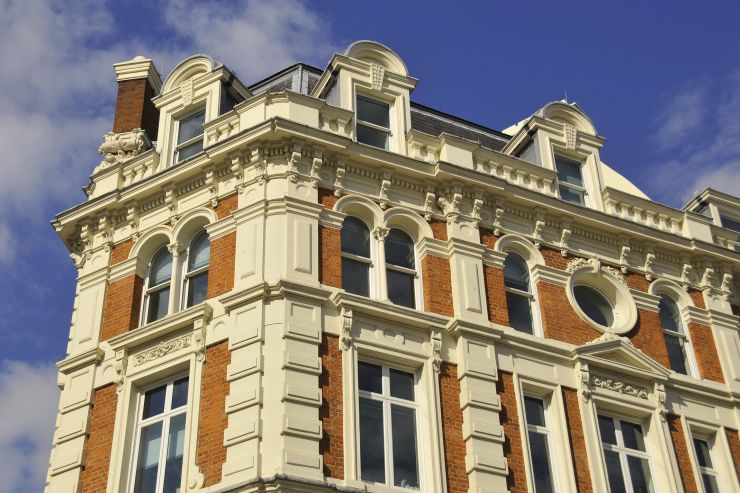
Bridging finance can provide a short-term solution when a property development has been completed but the intended sale has not yet taken place. Enness was approached by a client who had acquired and refurbished a freehold house in Regent’s Park with the intention of selling the property following the completion of the works.
The property had a value of approximately £12.5M and had originally been funded using development finance. However, the property had not sold before the existing debt reached the end of its term. The client therefore required an alternative facility that would repay the existing borrowing and provide additional time to market and sell the property.
The underlying property provided substantial security for the proposed borrowing. Against a security value of £12.5M, the required bridging facility was £8.15M, representing an LTV of approximately 65%.
The key challenge was the timing of the refinance. With the existing development finance having expired and the property still awaiting sale, the client needed to move quickly while ensuring that the replacement facility was structured around a realistic sale-based exit strategy.
Enness assessed the property, existing borrowing and proposed exit before approaching suitable specialist bridging lenders. The objective was to identify a lender comfortable with the value and nature of the property, the level of borrowing and the fact that repayment would ultimately depend on the sale of the asset.
Following negotiations, Enness secured an £8.15M bridging facility against the £12.5M Regent’s Park property. The facility was arranged at a margin of 0.9% per month, equivalent to 10.8% per annum, with a 2% arrangement fee.
The facility provided the client with additional time to market the property and pursue the intended sale rather than being forced to dispose of the asset immediately because the original development finance had reached maturity.
The case demonstrates how property development bridging finance can be used after the development phase has been completed. Where a project has reached completion but the intended exit has been delayed, a short-term facility may provide additional time to sell or refinance, subject to lender criteria and a credible exit strategy.
Enness works with specialist lenders across the bridging and development finance markets and can assess funding requirements involving residential, commercial and development property. The appropriate structure will depend on the property, valuation, existing debt, LTV, proposed exit and the borrower’s wider circumstances.
Read the UK version of this case study.
Information contained in our case studies is for market and illustrative purposes only. In some cases, these may be made up of multiple cases and are for illustrative purposes only.
Some case studies are made up of enquiries that have come into the business, not all business completes, and the posting of a case study does not represent a completed piece of business.
Property values can fall as well as rise, and you may not get back the amount originally invested. Property investments can be illiquid and may take time to sell. Where borrowing is used, your property may be repossessed if you do not keep up repayments on a mortgage or other loan secured against it.