- Client: British expat and self-employed property investor living in Dubai
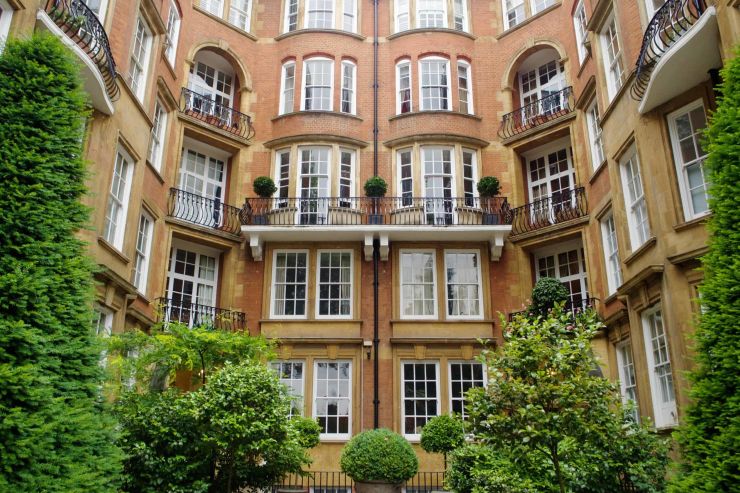
- Property: Prime London residential property valued at approximately £5.5 million
- Challenge: Required £3.8 million of borrowing while living overseas and already holding substantial property debt
- Finance: 10-year fixed-rate mortgage at 3.34% at the time
Arranging a large UK mortgage for a British expat living in Dubai can become more complex where the borrower is self-employed and already has substantial property debt. Enness was approached by a British expat and property investor living and working in Dubai who was looking to purchase a new residential property in London.
The property was located in a prestigious London borough and valued at approximately £5.5 million. The client required a mortgage of £3.8 million to complete the purchase, representing a significant level of borrowing for a residential property.
The client’s circumstances added several layers of complexity to the application. As a self-employed individual based in Dubai, the income structure required careful consideration. The client also owned a substantial portfolio of buy-to-let properties, with more than £8 million of existing mortgage debt across the portfolio.
The level of existing borrowing meant that a conventional affordability assessment could have presented a significant obstacle. The application therefore required a lender prepared to consider the client’s wider financial circumstances and the purpose of the new borrowing rather than relying solely on a standard assessment of the existing property debt.
Enness referred the application to its London team, who approached a private bank experienced in dealing with high-value and more complex mortgage applications. The lender was prepared to take a more flexible approach to the client’s existing property portfolio, provided the new mortgage was structured on a long-term fixed-rate basis.
The client intended to use the London property as a long-term residential home, making a longer fixed-rate period suitable for the intended ownership strategy. The lender was therefore able to consider the application without applying the same portfolio stress-testing approach that might otherwise have restricted the level of borrowing available.
The resulting mortgage provided the required £3.8 million of borrowing against the £5.5 million property. The facility was secured on a 10-year fixed rate of 3.34% at the time.
The case demonstrates how UK mortgages for Dubai-based clients can require a specialist approach where an applicant is self-employed, lives overseas and already has significant property commitments. Access to private banks and lenders experienced in assessing complex international profiles can provide additional options where conventional lenders may be more restrictive.
For British expats living in Dubai who are looking to purchase or refinance UK property, the appropriate mortgage structure will depend on individual circumstances, income, assets, existing commitments and lender criteria.
Disclaimer:
This case study is for illustrative purposes only and does not constitute financial, legal, tax or investment advice. Finance is subject to status, underwriting, affordability, property suitability and lender criteria. Terms, rates, LTVs and availability may vary depending on individual circumstances.
Risk Warning:
Your property may be repossessed if you do not keep up repayments on your mortgage or other borrowing secured against it. Property values can fall as well as rise. Borrowers with significant existing property debt should carefully consider their ability to maintain repayments across all borrowing commitments. Where income or assets are held in different currencies, exchange-rate movements may also affect the cost of borrowing or the value of assets.
Information contained in our case studies is for market and illustrative purposes only. In some cases, these may be made up of multiple cases and are for illustrative purposes only.
Some case studies are made up of enquiries that have come into the business, not all business completes, and the posting of a case study does not represent a completed piece of business.
Property values can fall as well as rise, and you may not get back the amount originally invested. Property investments can be illiquid and may take time to sell. Where borrowing is used, your property may be repossessed if you do not keep up repayments on a mortgage or other loan secured against it.