
- Loan Amount: Approximately £10 million
- Combined Property Value: Circa £12 million
- Loan to Value: Approximately 85–90%
- Property Type: Off-market country home and prime London residence
- Structure: Cross-collateralised private bank facility
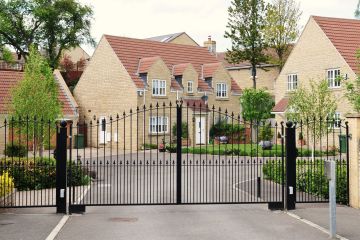
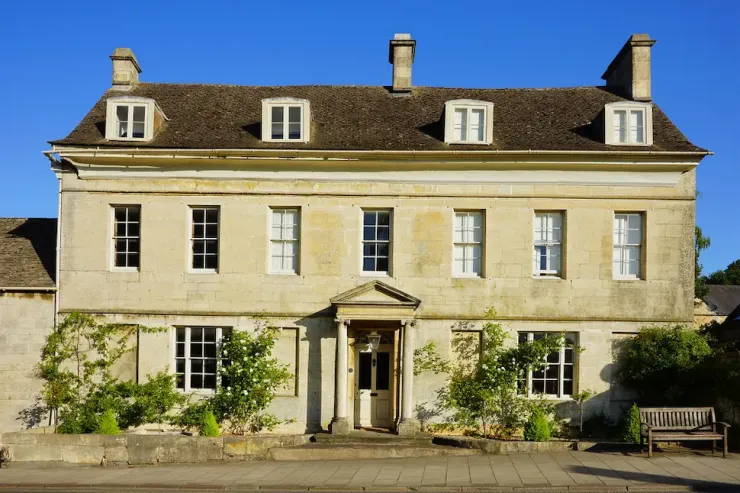
The client was a senior partner at a US professional services firm with substantial global earnings and a strong balance sheet. They already owned a prime London residence valued at approximately £4 million, which was largely unencumbered. The client had agreed to purchase an off-market country house for just under £8 million, with the selling agent requiring certainty of funds within a short timeframe. Execution credibility and speed were therefore critical to the success of the transaction.
In addition to the acquisition, the client was planning a significant refurbishment of the London property and required a structure that preserved liquidity for these works, as well as for future international investment opportunities. The key considerations were structural rather than affordability. High loan-to-value lending on second homes often reduces lender appetite, particularly at the private bank level, and careful positioning of the overall portfolio was essential.
Further complexity arose from the client’s income being largely denominated in US dollars, while the borrowing was to be in sterling. This introduced currency considerations and the need for a lender comfortable with global income. Cross-collateralisation of two prime properties also required detailed negotiation to ensure flexibility, release provisions, and future refinancing optionality. Excessive leverage or a fully interest-only structure could have increased long-term refinancing risk, while deploying too much capital into the purchase would have compromised liquidity ahead of the refurbishment.
Enness Global sourced a private bank willing to assess the client’s global balance sheet and treat both properties as a combined portfolio rather than standalone assets. A long-term facility of just over £10 million was structured, representing approximately 85-90% loan-to-value across the combined property value of circa £12 million.
The facility blended interest-only and amortising components, with around 70-75% on an interest-only basis and the balance amortising over a ten-year schedule. This approach preserved liquidity while gradually reducing leverage. Release provisions and partial repayment flexibility were agreed from the outset, and the structure carried no early repayment charges. Importantly, pre-agreed credit was secured before valuation, providing genuine certainty of funds and meeting the agent’s deadline.
The client completed the off-market purchase on time without compromising long-term liquidity or broader investment strategy. Capital for the London refurbishment was preserved, and the structure maintained flexibility for future acquisitions. This case highlights the importance of specialist structuring when high leverage, multiple properties, and cross-border income form part of a complex private banking strategy.
Disclaimer:
This case study is for illustrative purposes only. All finance is subject to status, underwriting, and lender criteria. Terms, structures, and outcomes will vary based on individual circumstances and are not guaranteed.
Information contained in our case studies is for market and illustrative purposes only. In some cases, these may be made up of multiple cases and are for illustrative purposes only.
Some case studies are made up of enquiries that have come into the business, not all business completes, and the posting of a case study does not represent a completed piece of business.
Property values can fall as well as rise, and you may not get back the amount originally invested. Property investments can be illiquid and may take time to sell. Where borrowing is used, your property may be repossessed if you do not keep up repayments on a mortgage or other loan secured against it.