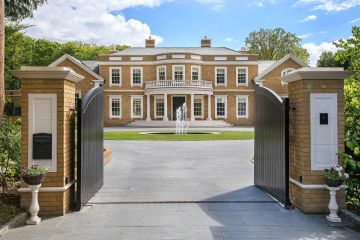
Enness was approached by an internationally recognised industrial designer seeking finance for the conversion of a former country house in the south of England. The client intended to transform the property into a private family residence rather than pursue a conventional development for resale.
The property was valued at approximately £5.5 million and had previously operated as a hotel. It therefore required a change of use alongside substantial works, including the removal of commercial facilities and the refurbishment of the existing accommodation. The wider site also included a number of outbuildings and extensive land.
The proposed project did not fit a typical development finance structure. As the client intended to retain the property once the works were completed, a conventional development facility could have resulted in higher financing costs than were necessary for the intended long-term ownership.
OUR SOLUTION
Enness approached a private lender with experience in bespoke property finance and presented the client’s plans, financial position and intended use of the property. The lender was able to structure the facility around both the conversion period and the property’s eventual use as a private residence.
A £3.85 million facility was arranged on an interest-only basis, with annual capital repayments. The structure provided funding throughout the conversion while allowing the client to remain with the same lender once the works were completed.
The financing was initially priced for the development and conversion phase, with provision for the rate to move to a residential structure once the lender was satisfied that the works had been completed and the property had been converted for residential use. This avoided the need to arrange separate finance for each stage of the project and provided a more streamlined funding structure.
This case demonstrates how bespoke financing can be useful where a property project does not fit neatly into a conventional development or residential mortgage structure. By considering the intended end use alongside the works and the client’s wider circumstances, a tailored solution was created to support the conversion from acquisition through to long-term residential ownership.
Read the UK version of this case study.
Information contained in our case studies is for market and illustrative purposes only. In some cases, these may be made up of multiple cases and are for illustrative purposes only.
Some case studies are made up of enquiries that have come into the business, not all business completes, and the posting of a case study does not represent a completed piece of business.
Property values can fall as well as rise, and you may not get back the amount originally invested. Property investments can be illiquid and may take time to sell. Where borrowing is used, your property may be repossessed if you do not keep up repayments on a mortgage or other loan secured against it.