
- Client: UK national and resident
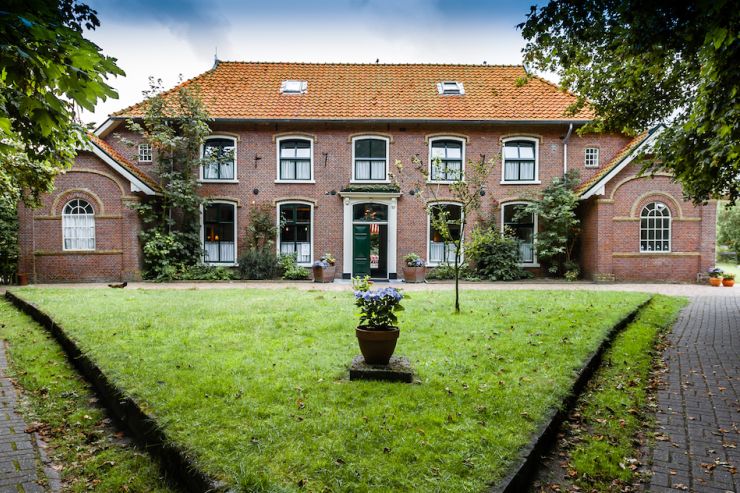
- Property: Classic cottage in England
- Property value: £2.1M
- Loan amount: £1.8M
- LTV: 85%
Enness was approached by a UK national looking to purchase a second home in England. The property was a classic cottage valued at £2.1M, and the client wanted to borrow £1.8M, representing an 85% loan-to-value.
The main challenge was the level of borrowing required. High-LTV mortgages on properties of this value are relatively specialist, with only a limited number of lenders willing to consider them. The client also wanted to retain as much of their available capital as possible rather than committing a larger deposit to the purchase.
Enness identified a lender with the appetite to consider the transaction at the required leverage. By presenting the application around the client’s overall financial position and the strength of the property, we were able to secure the required 85% LTV mortgage.
The resulting facility provided £1.8M of finance against the £2.1M property, allowing the client to complete the purchase while retaining greater liquidity for their wider financial plans.
High-LTV lending can be particularly useful where a borrower wants to preserve capital rather than use a significant proportion of their assets as a deposit. However, lender appetite at this level can be limited, particularly for higher-value properties, making the choice and presentation of the application important.
Enness has experience structuring high-LTV mortgages for complex and high-value property purchases. Working across a broad network of lenders, we can identify financing structures suited to individual circumstances, including second homes, investment properties and other specialist purchases.
Read the UK version of this case study.
Information contained in our case studies is for market and illustrative purposes only. In some cases, these may be made up of multiple cases and are for illustrative purposes only.
Some case studies are made up of enquiries that have come into the business, not all business completes, and the posting of a case study does not represent a completed piece of business.
Property values can fall as well as rise, and you may not get back the amount originally invested. Property investments can be illiquid and may take time to sell. Where borrowing is used, your property may be repossessed if you do not keep up repayments on a mortgage or other loan secured against it.