

- Approximately £980,000 mortgage
- Circa 80% loan-to-value, subject to lender criteria
- Joint borrower, sole proprietor private bank structure
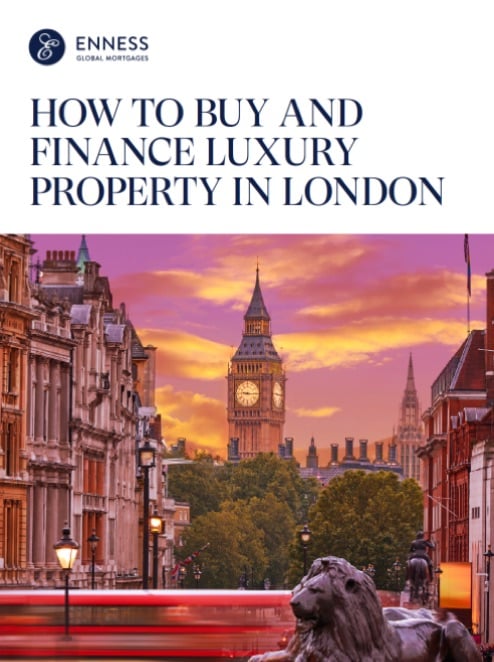
Buying a first home in prime London can present affordability challenges even for clients with strong long-term earning potential. A first-time buyer approached Enness Global seeking finance for a property valued at approximately £1.25 million. The objective was to secure a mortgage of around £980,000 while ensuring the property remained solely in the buyer's name.
Although the client had an established professional career, employed income alone was not sufficient to support the required borrowing under conventional affordability models. To strengthen the application, a joint borrower, sole proprietor structure was considered, allowing a family member to support affordability without becoming a legal owner of the property.
The supporting borrower already had an existing mortgage, meaning their current financial commitments also needed to be assessed. In addition to earned income, the supporting borrower held substantial liquid assets, enabling the proposed lender to consider the wider financial position alongside standard affordability measures, subject to its underwriting approach.
Enness introduced the clients to a private bank experienced in complex family lending structures and high-net-worth underwriting. Indicative terms were offered for a facility of approximately £980,000 at around 80% loan-to-value, subject to lender approval and underwriting. The proposed structure combined interest-only and capital repayment elements over a shorter mortgage term, reflecting the supporting borrower's longer-term financial objectives.
This case highlights how specialist private banking solutions may provide additional flexibility where family support forms part of a wider lending strategy. For borrowers whose circumstances extend beyond standard affordability models, careful lender selection and structuring can be important in identifying suitable financing options.
Read the UK version of this case study.
Information contained in our case studies is for market and illustrative purposes only. In some cases, these may be made up of multiple cases and are for illustrative purposes only.
Some case studies are made up of enquiries that have come into the business, not all business completes, and the posting of a case study does not represent a completed piece of business.
Property values can fall as well as rise, and you may not get back the amount originally invested. Property investments can be illiquid and may take time to sell. Where borrowing is used, your property may be repossessed if you do not keep up repayments on a mortgage or other loan secured against it.