

THE SCENARIO
There are endless factors that determine the complexity of a mortgage case. These include the client’s profession, income details, background, and frustratingly: nationality.
The client in question was a self-employed business owner with an irregular income structure. He had lived in Dubai for 40 years but was a Syrian passport holder, which a lot of lenders consider to be a ‘high risk’ nationality. At Enness however, we find a solution no matter the client’s background.
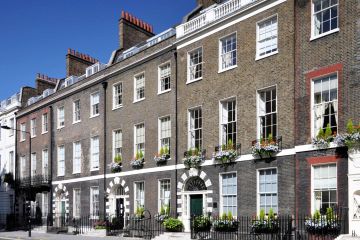
The client was looking to remortgage one of his buy-to-let properties valued at £550,000 at a rate of between 70-75% loan to value (LTV). This was in order to finance the purchase of his second London residence worth £1.3million in a highly desirable location, which he required 70% LTV for.
OUR SOLUTION
It was clear that Enness needed to find a lender that would not have issues when it came to the client’s nationality. At Enness we maintain relationships with both private banks as well as prominent lenders with an international presence, in order to perfectly tailor to a client’s case. The high street lender that we recommended is well versed in dealing with these types of cases. This allowed for Enness to take the necessary steps to complete onboarding before proceeding with the mortgage application.
In a single package, Enness secured the client the ideal 75% LTV for the remortgage of his buy-to-let property and the 70% LTV on the purchase of the new flat at a rate of 2.99% over a 2-year fixed term. At Enness we are very proud of the degree of excellence and frequency at which we complete complex cases.
Information contained in our case studies is for market and illustrative purposes only. In some cases, these may be made up of multiple cases and are for illustrative purposes only.
Some case studies are made up of enquiries that have come into the business, not all business completes, and the posting of a case study does not represent a completed piece of business.
Property values can fall as well as rise, and you may not get back the amount originally invested. Property investments can be illiquid and may take time to sell. Where borrowing is used, your property may be repossessed if you do not keep up repayments on a mortgage or other loan secured against it.