- Client: CFO of a BioMedicine company
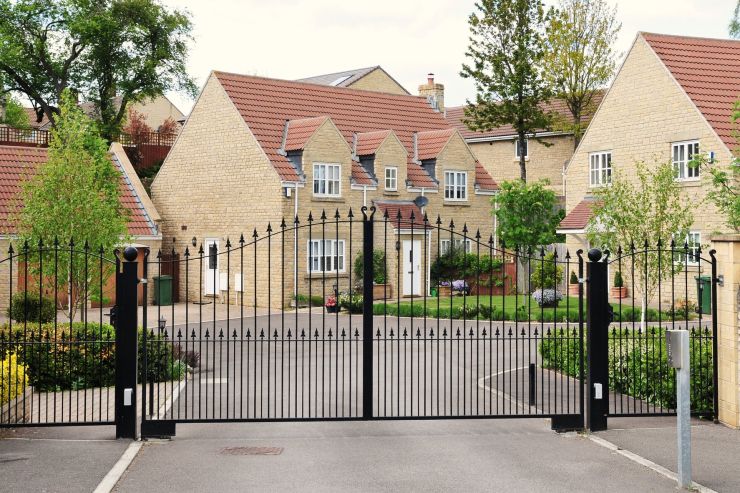
- Property: New-build property in a gated village, Cambridge
- Property value: £3.45M
- Loan amount: £2.42M
- LTV: 70%
- Mortgage type: Interest-only
- Term: Five years
- Rate: 2% above Bank of England base rate
- Purpose: Residential property purchase
Securing a mortgage can become more challenging when a borrower’s wealth is closely connected to a young, rapidly growing business. Enness was approached by the CFO of a BioMedicine company who was looking to purchase a new-build property in a gated village in Cambridge for approximately £3.45M.
The client’s financial position was unusual. The company was progressing through its Series B funding round, with the potential value of the client’s shareholding expected to increase significantly as the business developed. The client therefore wanted a mortgage structure that would provide flexibility to make overpayments as and when shares were eventually realised following an IPO.
The client also specifically wanted an interest-only mortgage and placed significant importance on building a long-term relationship with the bank. The required loan was £2.42M, representing a 70% LTV against the property.
There were several challenges to overcome. The business was relatively young and was reporting paper losses, immediately ruling out many mainstream lenders. The proposed borrowing was also below the private bank’s usual £4M minimum starting point.
There was an additional complication surrounding the client’s shareholding. As the company was pre-IPO, establishing a current value for the shares was more difficult. However, the private bank already provided banking services to the business and understood its development and funding position. This existing relationship gave the lender greater familiarity with the company and its future prospects.
The source of the deposit also required careful consideration. The vendor had agreed to effectively provide the deposit temporarily until the company’s Series B funding was completed, meaning the client did not have the required cash deposit available at the outset.
Enness approached the private banking market and identified a lender willing to consider the broader circumstances rather than relying solely on conventional affordability measures. The bank was comfortable with the client’s connection to the business, the potential value of the shareholding and the overall relationship.
The resulting solution provided £2.42M of mortgage finance against the £3.45M property, representing a 70% LTV. The facility was structured on an interest-only basis over five years at a margin of 2% above the Bank of England base rate.
The mortgage also provided the flexibility the client was seeking, allowing them to consider overpayments as liquidity became available from their shareholding. Just as importantly, the transaction enabled the client to establish a relationship with a private bank, which was a key consideration from the outset.
This case demonstrates the flexibility that can sometimes be available through private banking when a borrower has complex or non-traditional sources of wealth. Private banks may take a more holistic approach to underwriting, although lending remains subject to individual circumstances, due diligence and the relevant lender’s criteria.
Enness works with private banks and specialist lenders across the high-value mortgage market, including cases involving complex income, business interests, pre-IPO assets and bespoke repayment requirements. The appropriate solution will depend on the borrower’s financial circumstances, property, LTV, assets and individual lender criteria.
Read the UK version of this case study.
Information contained in our case studies is for market and illustrative purposes only. In some cases, these may be made up of multiple cases and are for illustrative purposes only.
Some case studies are made up of enquiries that have come into the business, not all business completes, and the posting of a case study does not represent a completed piece of business.
Property values can fall as well as rise, and you may not get back the amount originally invested. Property investments can be illiquid and may take time to sell. Where borrowing is used, your property may be repossessed if you do not keep up repayments on a mortgage or other loan secured against it.