
Will New Apartments Result In The Bishops Avenue, Hampstead Losing its Crown as London’s Billionaire’s Row?
19th Dec 23 · Last updated 4th Sep 26 · 6 MIN READLarge-scale developments on ultra-prime streets like The Bishops Avenue are typically financed using specialist development finance structures, where lenders provide staged capital based on planning permission, project milestones, and end-value projections, often supported by senior debt, mezzanine layers, or equity partnerships to fund the conversion of single high-value mansions into multiple luxury residences.
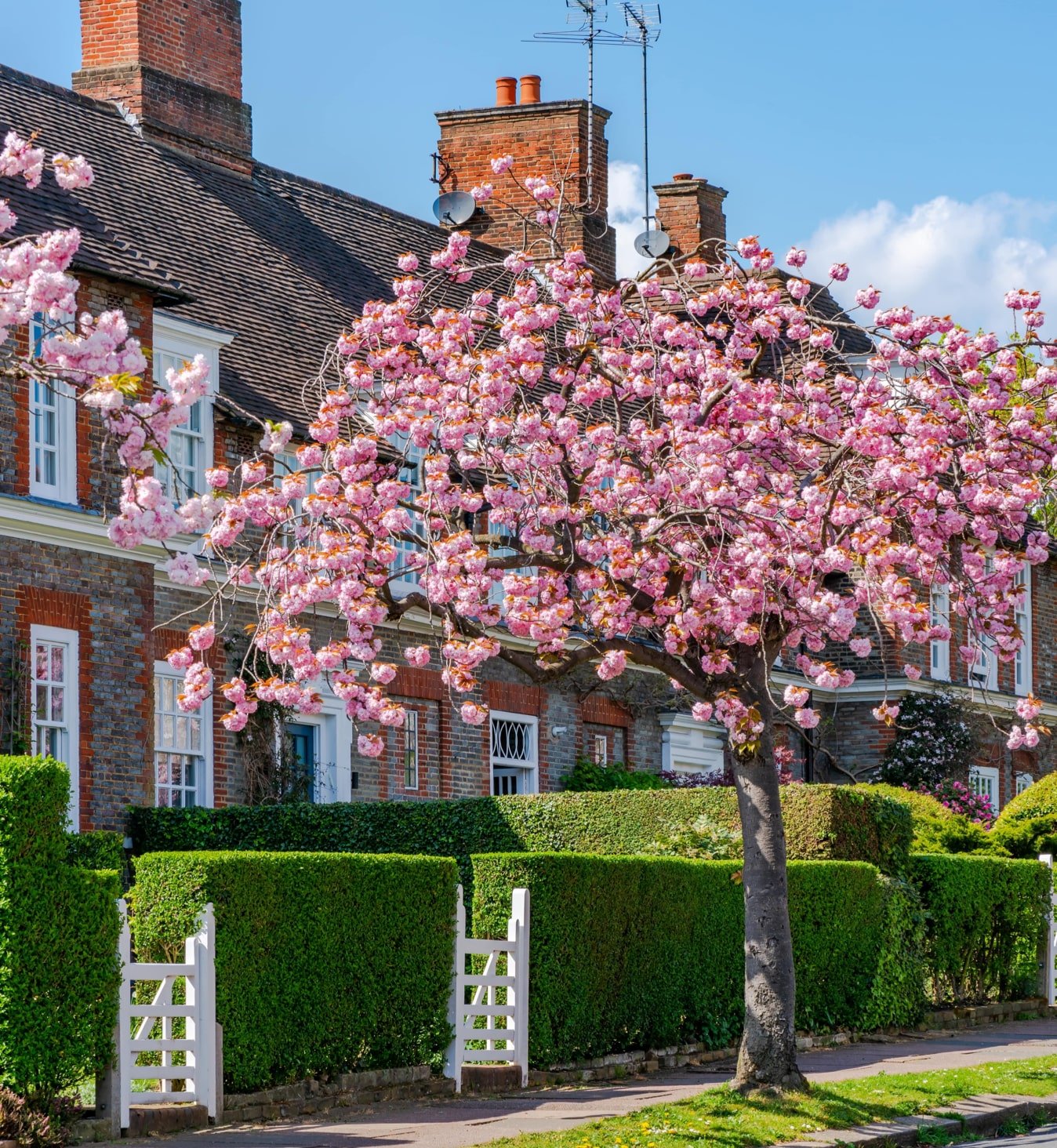
The Bishops Avenue, Hampstead, is one of the most exclusive addresses in London and is often labelled 'Billionaires' Row'. This highly prized nickname was coined due to the 66 palatial properties that line the street, most of which are worth many millions of pounds each. Unsurprisingly, properties on the street are owned by some of the world's ultra-wealthy, with past and present residents including billionaire industrialists and royal families.
Bishops Avenue London
The Bishops Avenue hasn't always hit the headlines for positive reasons. A 2014 Guardian investigation found that around £350 million worth of property on the street was either empty or derelict, and it is believed that many properties remain uninhabited today.
However, the area's real estate remains highly prized and is now paving the way for new development opportunities. Thirty luxury flats are being built across three blocks on the site of an uninhabited £18 million mansion that burned down in the summer of 2022.
The development represents a potential win-win. New owners can live on one of London's most exclusive and well-known streets in a luxurious property, while developers can take advantage of a single, spacious plot to deliver multiple residences. This may prove more commercially attractive than renovating the existing property on the site. The local community could also benefit from a rejuvenated plot and more full-time residents bringing new life to the avenue.
Hampstead remains a sought-after London location, particularly for families who value access to open spaces and local amenities. Hampstead Heath and Highgate Golf Club are close to the development, alongside Highgate School and the historic Kenwood House. For prospective owners, the opportunity to live on The Bishops Avenue is likely to remain an enticing proposition given the street's location and prestige. With houses on the avenue often costing several million pounds, an apartment may offer a more accessible route to living in this prime location.
Get in the Know
Subscribe to our newsletter
Financing Property Development
Arguably, it used to be easier to generate significant profits from developing or renovating property, even for non-professionals working on their own homes. However, today's buyers are increasingly discerning, and simple cosmetic changes may not dramatically increase a property's value or sale price if the work does not add genuine value to the residence.
There are also fewer genuine 'bargain' properties in the UK, making it more difficult to identify highly profitable development opportunities, particularly when increased labour and material costs are taken into account.
There is, of course, still significant profit to be made from developing commercial and residential property. However, to achieve the strongest potential return on investment, developers may need to take on larger or more complex projects.
It is easy to see why The Bishops Avenue is attractive to developers. A prime plot of land has been acquired and planning permission secured for a multi-unit development on the site of what was previously a single mansion. Given the scale and value of the plot and existing property, the finance required is likely to have been substantial. However, the project could also offer significant potential returns for the developer.
Development Opportunities
Building a multi-unit development on the site of a single residence or real estate asset is relatively common. However, these projects can be ambitious and complex, even when they are significantly smaller than the development on The Bishops Avenue.
For example, a developer may renovate and convert a large residence into several flats or construct multiple properties on a single plot. The opportunities are extensive, although the projects often require careful planning and significant capital.
The most obvious benefit for developers is that a multi-unit development can increase the number of properties available to sell or rent from an existing plot, potentially maximising land use and increasing overall revenue despite higher development costs.
Multi-unit developments can also deliver properties of different sizes. The Bishops Avenue development will see one- and two-floor flats and two- to four-bedroom penthouses brought to market, for example.
In this case, the developer is adapting a single site to meet different areas of market demand, delivering prime penthouses alongside smaller luxury apartments that may be available at a lower price point. This could broaden the potential pool of buyers compared with rebuilding a single mansion on the plot.
While large-scale developments that convert a single dwelling into multiple properties can require significant financing, building multiple units on one plot may reduce construction costs per unit compared with delivering several separate projects in different locations. It can also make the overall project easier to manage.
Structuring Development Finance
Development finance can be pivotal to the success of multi-unit projects, which often require substantial capital. Under the umbrella of development finance, there are many different types of facilities that vary in terms of length, flexibility and structure.
Speaking to an adviser with whole-of-market access to lenders can be valuable when assessing the available options and understanding the potential benefits and drawbacks of different facilities.
Chris Witney, Head of Specialist Lending at Enness Global, explains: 'Some development finance can exclusively be used to purchase a plot of land, for example. In contrast, other facilities can cover the wider development costs, subject to the developer's own equity contribution. Funds are typically released in stages as the project progresses, with an initial tranche potentially used to purchase the land or property and further tranches released at predefined stages of the build or renovation. Developers building multi-unit real estate will often require this type of structure.'
Finance for the development of multi-unit property on the site of a single dwelling can be available to both first-time developers with a compelling project and experienced developers undertaking larger schemes.
However, lenders will carefully assess the quality and viability of any proposed development. They are likely to consider the gross development value (GDV), anticipated construction costs, the developer's experience and equity contribution, and the proposed exit strategy.
A robust case for funding, a clear plan for managing expenses and contractors, and a realistic development timeline can all be important. Delays and cost overruns can affect projected profitability and a developer's ability to refinance or exit the project as planned.
Will Bishops Avenue Remain London's Billionaires' Row?
Of course, the addition of apartments could reduce the average value of property on this prized north London street. Meanwhile, prestigious areas such as Kensington Palace Gardens, Avenue Road in St John's Wood and Hamilton Terrace continue to attract high-value single-dwelling purchases and development.
It is therefore not inconceivable that the crown of London's 'Billionaires' Row' could change hands in the medium term. However, The Bishops Avenue's global recognition, history and concentration of exceptional properties are likely to ensure it remains one of London's most prestigious residential addresses.
Speak to a Finance Specialist
Enness is a specialist broker of high-value development finance. We work with individuals considering ambitious development projects, as well as experienced developers undertaking larger schemes, including hotels, multi-unit residences, mixed-use real estate, commercial properties and industrial premises.
Speak to a Finance Specialist to discuss a development project you are considering and explore the financing options that may be available.
This guide is for information and illustrative purposes only and nothing contain within should be construed as advice or a recommendation.
Financing options available to you will depend on your requirements and circumstances at the time. Any changes in your circumstances, any known likely changes, or omissions in the information you provide can affect the suitability of the options available to you. These should be communicated to us as early as possible.
If you are considering securing debts against your main home, such as for debt consolidation purposes, please think carefully about this and consider all other options available to you.
Your home may be repossessed if you do not keep us repayments on your mortgage or other debts secured on it.
The views and opinions expressed in this piece are those of the author and do not constitute advice or a recommendation. They do not necessarily reflect the official policy or position of Enness and are not intended to indicate any market or industry viewpoints, or those of other industry.

Related Blog Posts
View All
 Read MORE
23rd Mar 26 - 5 MIN READ
The Renaissance of Bishops Avenue’s Billionaires’ Row - Financing London’s Luxury Market with High-Net-Worth Mortgages
 Read MORE
18th Mar 24 - 3 MIN READ