How Strategic Debt Helped LVMH Become One of The World’s Most Valuable Companies
25th Apr 23 · Last updated 19th Aug 26 · 5 MIN READLVMH used low-cost corporate bonds to help fund its acquisition of Tiffany & Co., showing how strategic debt can support major growth while preserving liquidity and strengthening long-term market value.
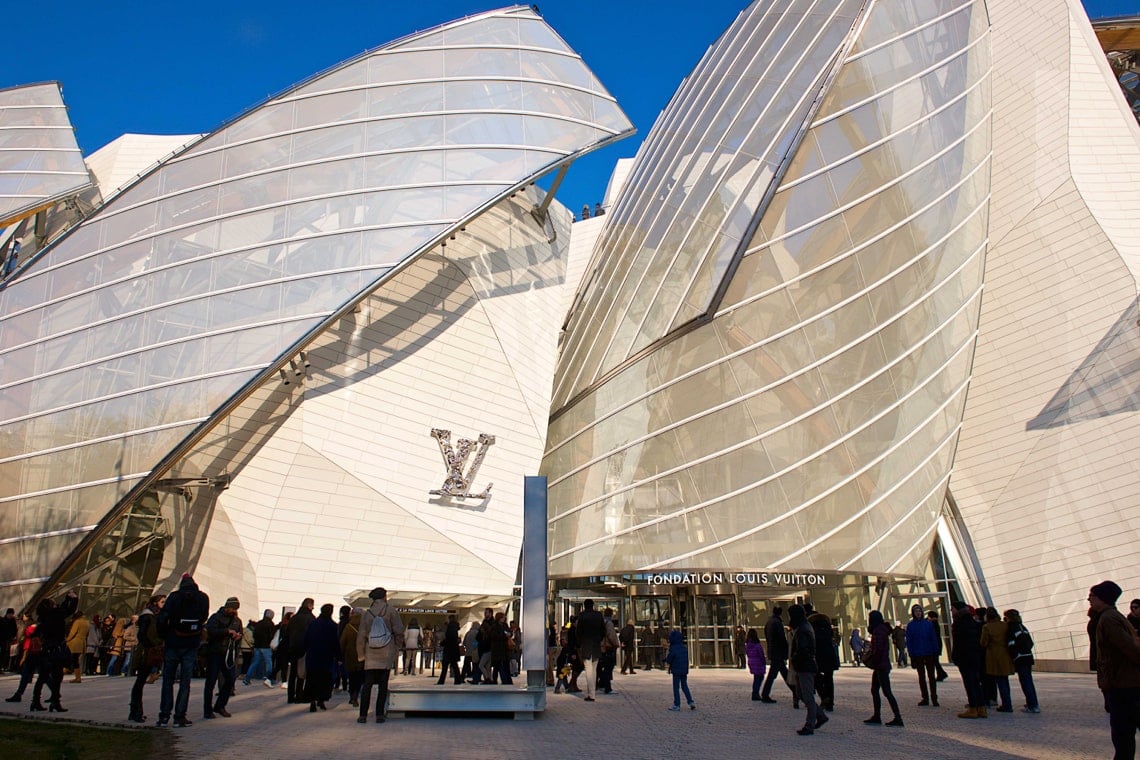
On 13th April, LVMH briefly broke into the ranks of the top ten largest companies in the world per market cap (as of May 16th, it was ranked at number 11), and by late April, it was the first European company to surpass a market value of $500 billion.
LVMH remains something of an outlier in the discretionary consumer sector. Despite economic headwinds, its revenues rose by 17% overall in Q1 2023, exceptional given the market volatility which has swept the rest of the globe, and far surpassing analysts’ initial expectations for the company’s performance. LVMH’s 17% revenue increase is also completely organic, meaning it doesn’t include any acquisitions. It was the company’s stellar results that boosted LVMH’s share price and pushed the company briefly into the ranking of the ten largest companies in the world.
Recessions and recessionary fears tend not to make a good environment for discretionary consumer goods. If consumers need to cut spending, they usually cut it from non-essential and luxury purchases first, which can impact the sector significantly and cause revenue to dip. However, LVMH has benefitted from a ‘China rebound’ and good demand for luxury goods across various LVMH divisions and maisons, especially since Beijing lifted stringent COVID-19 restrictions. There has also been strong demand for LVMH products in Japan, with Q1 2023 revenue coming in at 30%, compared to an 8% increase in revenue in the same period in 2022. More broadly, sales have also been boosted by revenue from other LVMH divisions, with such huge demand for Champagne after COVID-19 that, at the end of 2022, Moët Hennessy, which includes brands such as Moët & Chandon, Krug, and Veuve Clicquot, was reportedly running out of some of its top champagne.
Strategic Debt To Acquire Tiffany’s
One of the reasons why LVMH has fared so well in the luxury sector is its product diversification, which spans wines and spirits, fashion and leather goods, perfume and cosmetics, watches and jewellery, and selective retailing, which includes Sephora and upmarket department store Le Bon Marché Rive Gauche. However, it was the acquisition of Tiffany’s that may well have been particularly pivotal for LVMH.
LVMH moved to acquire Tiffany’s in late 2019, initially offering $125 a share, and eventually agreeing to an all-cash offer of $135 per share, which was later renegotiated to $131.50. The acquisition wasn’t completely smooth, however, with LVMH attempting to back out of the deal in 2020, possibly due to concerns around the impact of COVID on Tiffany’s revenue. Tiffany’s publicly stated it would move to sue if the acquisition didn’t go ahead, and the deal was eventually finalised in 2021.
Get in the Know
Subscribe to our newsletter
Tiffany’s needed LVMH’s prowess to modernise its brand, appeal to younger consumers and tap into the opportunities presented by ecommerce and the Asian market. Despite wanting to pull out of the deal, the acquisition ultimately paid off for LVMH, given that Tiffany’s has contributed significantly to LVMH’s growth, with Tiffany’s now being one of its biggest maisons. Watches and jewellery account for a significant portion of LVMH’s Q1 2023 revenue, behind leather goods and selective retailing. Much of that income is likely to be made up of Tiffany’s revenue, given the other brands in the division, such as Hublot and Bulgari, are smaller.
LVMH Bonds
LVMH put its own capital into the deal but also raised finance through bonds in the Eurobond market, financing much of the Tiffany’s acquisition through the biggest corporate bond issuance in euro currency since 2016. Maturities spanned from two to eleven years, and there was such demand from investors for bonds that there was an oversubscription in each tranche.
While COVID may have made completing the deal a challenge, the low interest rate environment at the time is likely to have worked to LVMH’s advantage. The low interest rate environment drove bond issuance in 2020 and, crucially for LVMH, a significant amount of bonds were trading with negative yields. LVMH CEO Bernard Arnault went on the record stating that the bonds were expected to have a rate of around 0%-1%. However, two of the tranches had negative yields. Ultimately, this meant that some of the investors who bought LVMH bonds effectively paid LVMH for the privilege of financing the acquisition.
Raising debt via corporate finance and corporate bonds was a highly strategic move from LVMH. It moved to take advantage of favourable market conditions and raise what was effectively cheap debt. It then took that capital and went on to regenerate the Tiffany’s brand to make it a key revenue driver for LVMH: a double win.
April 2023: LVMH Raise Debt Again
After its Q1 2023 results, revenue and share price increase, LVMH looked to execute what was likely another highly strategic move: raising more debt, again via corporate bonds. This was the first time LVMH had raised debt since 2020.
LVMH looked to raise around €1 billion of new bonds which would be due in 2025, and there was exceptional investor interest: at its highest, demand peaked at €3.6 billion. Investor demand, spurred by the company’s Q1 2023 results, outlook and credit position, meant that LVMH could reduce its spread to as little as 7 basis points below mid-swaps.
Corporate bonds typically have a higher yield than other types of fixed-income investments, but this is always counterbalanced with more risk for the investor because these bonds are usually not collateralised. In other words, if the issuer defaults on its debt, the investor is on the hook to take the hit. The interest rate environment will also play a part because if rates rise, they can reduce the value of the bond investment, in some cases making it almost worthless. Given the interest rate hikes and associated risk for bond investors, it was unusual for a corporate bond offering to be set at less than the mid-swap rate.
The demand for LVMH bonds and the spread below the swap rate therefore underlined investor demand in the outlook of LVMH and confidence in its strategy, share price, market cap increase, management, offering, diversification and geographical exposure.
The views and opinions expressed in this piece are those of the author, and do not constitute advise or a recommendation, nor do they necessarily reflect the official policy or position of Enness. Stated views and opinions are not intended to indicate any market or industry viewpoints, or those of other industry professionals.

Related Blog Posts
View All Read MORE
15th Apr 26 - 8 MIN READ