Financing a Home in France - The French Riviera Dream
13th Aug 26 · Last updated 4th Sep 26 · 13 MIN READBuying on the French Riviera is the dream; this guide explains how to finance it without turning the mortgage into a headache.
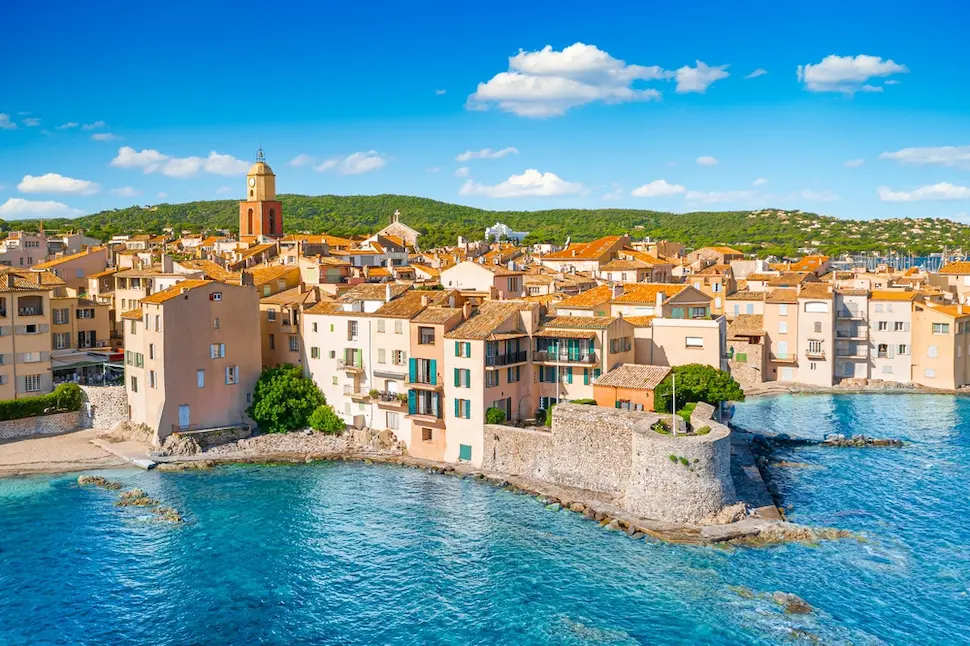
Financing a home in France becomes a markedly different conversation at the prime end of the market. Here, the focus extends beyond interest rates and loan-to-value ratios to liquidity, banking relationships and the broader structure of a client's wealth.
Few markets illustrate this better than the French Riviera. Prime property remains finite, international demand continues to outpace supply, and many of the region's most desirable homes are acquired before reaching the open market.
For internationally mobile buyers, these dynamics have important implications. Private banks may consider not only income and the property itself, but a client's wider balance sheet, assets under management and future liquidity.
On the Côte d'Azur, financing is therefore rarely just about how much can be borrowed. It is about finding a structure that complements the property purchase and the client's wider financial objectives.
Why the French Riviera Is Different
The French Riviera has never depended on fashion. Its appeal rests on fundamentals that have changed remarkably little over time: limited supply, international demand and long-term ownership.
Get in the Know
Subscribe to our newsletter
Scarcity is perhaps its defining characteristic. With the Mediterranean on one side, protected hillsides on the other and tight planning restrictions in between, there is little scope for meaningful new development. In Saint-Jean-Cap-Ferrat, Cap d'Antibes and Saint-Tropez, exceptional homes rarely come to market, with many changing hands privately.
Demand is equally international. In its 2023 French Riviera Residential Focus, Knight Frank estimated that non-residents accounted for around 70% of buyers in the prime sector, illustrating how differently the Riviera can behave from a conventional domestic property market.
That matters when financing a home in France. Where supply is constrained and the best properties may never reach the open market, understanding borrowing capacity and lender appetite before entering negotiations can give buyers greater certainty when the right opportunity appears.
Where Are Buyers Purchasing on the French Riviera?
The French Riviera is not a single property market, but a collection of distinct micro-markets shaped by different buyer priorities.
- Saint-Jean-Cap-Ferrat remains defined by exceptional scarcity. Limited development and long-term ownership mean prime homes rarely become available, with transactions often taking place discreetly.
- Cap d'Antibes offers a similarly constrained market, where strict development controls have preserved its residential character and appeal among buyers seeking privacy and long-term ownership.
- Cannes combines international recognition with year-round usability. Its established infrastructure, conferences and cultural calendar support demand beyond the traditional summer season.
- Saint-Tropez remains one of the Riviera's most internationally recognised addresses. Prime homes are tightly held, with scarcity continuing to underpin demand at the upper end of the market.
- Nice offers a different proposition, combining international connectivity and a substantial year-round population with the practicality of a major European city.
The right location ultimately depends on the buyer's priorities, but it can also influence financing. Property value, location and intended use may all form part of a lender's assessment.
Is Now a Good Time to Finance a Home in France?
There is rarely a single ‘best’ time to finance a home in France. For prime buyers, the more relevant questions are whether the right property is available, how attractive current financing terms are and whether the appropriate lending structure is in place.
Across France, the residential market has moved into a more balanced phase following the recent correction. According to INSEE, prices for existing homes were 1.1% higher year-on-year in the fourth quarter of 2025, marking a return to modest growth rather than the more pronounced movements seen in recent years.
The French Riviera, however, remains more constrained. Prime waterfront homes are finite, international demand remains resilient and exceptional properties in the most sought-after locations are often tightly held. Greater flexibility in the wider French market does not necessarily translate to the very best addresses on the Côte d'Azur.
Ultimately, financing decisions should be driven less by attempting to time the French property market perfectly and more by the individual transaction. The cost of borrowing, proposed ownership period, available liquidity and wider wealth strategy should all form part of that decision.
For prime buyers, preparation is often more valuable than perfect timing.
Can International Buyers Finance a Home in France?
International buyers can purchase and finance property in France, although the lending options available will depend on their circumstances. Foreign buyers, including UK citizens, can acquire primary residences, second homes and investment properties without nationality-based restrictions on ownership.
For British buyers, Brexit changed the rules around residency rather than property ownership. UK citizens can still purchase property in France, although those planning to spend extended periods there should consider the relevant visa requirements alongside the tax and legal implications of cross-border ownership. The UK government's guidance on living in France provides further information on buying property and residency requirements: https://www.gov.uk/guidance/living-in-france#buying-and-renting-property-in-france
Property transactions are overseen by a notaire, an independent public official responsible for completing the legal transfer and collecting the relevant taxes and registration fees.
Financing can be more nuanced. French lenders will consider income, liabilities, assets and the buyer's overall financial position. Where wealth spans businesses, investments, currencies or several jurisdictions, private banks may take a broader view of the client's balance sheet and wider wealth.
How Does Financing a Home in France Work?
Financing a home in France typically starts with an assessment of the buyer's financial position and borrowing requirements. For international buyers, lenders will consider income, existing commitments, assets, residency and the capital available for the purchase.
Suitable lenders can then provide indicative terms covering the potential loan amount, interest rate, loan-to-value and overall structure. Where wealth sits across businesses, investment portfolios or several jurisdictions, this assessment can be more nuanced, with private banks often able to consider the client's wider financial position.
Once a property has been identified and terms agreed, the financing moves into a formal application. The lender reviews the client's documentation, undertakes its due diligence and arranges a valuation of the property. If approved, a formal mortgage offer is issued, with the financing then progressing alongside the notaire through to completion.
The mechanics are relatively straightforward. The decisions around them are where good advice matters. Choosing the right lender and structure can influence the terms available, the liquidity a client retains and how comfortably the acquisition fits within their wider financial plans.
How Much Can You Borrow to Buy a Home in France?
How much you can borrow to buy a home in France depends on the property, the lender and the client's financial position. Income, existing commitments, available assets and the purpose of the purchase will all influence the amount available.
Loan-to-value (LTV) is an important starting point. For prime second homes, lending may be available at up to around 75% LTV, although this varies by lender and borrower. Primary residences may support higher leverage in certain circumstances, while non-resident buyers can face more conservative criteria than French residents.
French lenders will also assess existing debt and ongoing commitments alongside income. Where wealth comes from business ownership, dividends, investments or several jurisdictions, private banks may take a broader view, considering overall net wealth, future liquidity and assets that could be placed under management.
The maximum available loan is not necessarily the most appropriate one. Higher leverage may help preserve liquidity or keep capital invested elsewhere, while a larger equity contribution may offer different pricing or terms.
For prime buyers, the more useful question is often not simply, ‘How much can I borrow?’ but ‘How much does it make sense to borrow?’
What Are French Mortgage Rates?
French mortgage rates vary according to the lender, loan type and term, loan-to-value and the financial profile of the borrower. For prime buyers, headline rates rarely tell the whole story.
French mortgages can be arranged on a fixed or variable basis. Fixed-rate borrowing provides certainty over the cost of the loan, while variable rates move in line with the relevant benchmark. In private banking, lending is often priced against Euribor plus a margin agreed by the bank.
That margin can reflect the value and location of the property, overall net wealth, loan-to-value, nationality and residency. Assets under Management and the wider private-banking relationship may also influence the terms available.
Two buyers seeking the same loan against similarly valued properties can therefore receive very different offers. For high-net-worth clients, the most attractive mortgage is not necessarily the one with the lowest headline rate; structure, flexibility, liquidity requirements and the wider implications for their wealth can matter just as much.
What Documents Do You Need for a French Mortgage?
The documents required for a French mortgage will depend on the lender and the client's circumstances. Buyers can typically expect to provide proof of identity and residency, evidence of income, bank statements, tax returns, details of existing liabilities and evidence of assets, alongside documentation relating to the property.
For internationally mobile and high-net-worth buyers, additional information may be required. This can include company accounts, evidence of shareholdings, dividend or partnership income, investment statements and details of trusts or other ownership structures.
Private banks may also consider future liquidity, such as a forthcoming business sale, investment maturity or other significant event, provided it can be clearly evidenced.
For clients with more complex financial affairs, presenting a clear picture of how wealth is structured can be just as important as the strength of the balance sheet itself.
How Does Private Bank Financing Work in France?
Private banking is relationship-led. A bank will typically look to manage part of a client's wealth alongside providing finance, often through Assets under Management (AUM). This might involve cash, an existing investment portfolio or other eligible assets.
As a broad guide, private banks may look for AUM equivalent to around 25–50% of the loan amount, often subject to a minimum of approximately €1 million. Requirements vary considerably, with property value and location, overall net wealth, nationality, leverage and the level of AUM all potentially influencing the terms available.
Crucially, different private banks can view the same client very differently. For more on how these structures compare with conventional lending, read our guide to Understanding Private and Retail Mortgages in France.
Enness recently worked with EU-based clients refinancing more than €10 million against a second home on the French Riviera. Their wealth was substantial but largely held through investment structures, with a significant liquidity event expected later in the year and no immediate liquid assets available for AUM.
Enness identified a private bank prepared to consider their wider balance sheet and forthcoming liquidity. The refinance completed ahead of the liquidity event, with assets moving under management once available. Read the full €10m+ French Riviera refinance case study.
For internationally mobile clients with complex wealth, the question is therefore not simply whether finance is available, but which institution is best placed to understand how that wealth is structured.
How Should You Structure Finance for a French Property?
Currency is one consideration. Borrowing in euros may provide a natural alignment where the property or other liabilities are euro-denominated, while buyers whose income or wealth is held elsewhere should consider the potential impact of exchange-rate movements.
Liquidity can be equally important. Purchasing outright may be possible, but not necessarily preferable. Financing can allow capital to remain invested or available for business interests and other opportunities, rather than concentrating significant liquidity in a single property.
The right structure will depend on the client's assets, income, currencies and investment objectives. For some, reducing borrowing costs will take priority; for others, preserving liquidity or maintaining investment exposure may matter more.
A Considered Approach to Financing a Home in France
For internationally mobile buyers, financing a home in France is rarely just about securing a mortgage. The right structure should reflect the property, the client's wider financial position and what they want their capital to achieve over the longer term.
An experienced broker can help identify lenders whose appetite aligns with the client's circumstances, navigate different private-bank requirements and structure the financing accordingly.
For buyers considering the French Riviera, starting these conversations early can provide greater clarity when the right property appears, allowing the acquisition to form part of a wider financial strategy rather than simply a transaction.
Speak to our team about financing a property in France.
Frequently Asked Questions About Financing a Home in France
Can a UK resident get a mortgage in France?
Yes. UK residents can obtain mortgages to purchase property in France, although the lending criteria and products available may differ from those offered to French residents. Lenders will typically consider income, existing liabilities, assets, residency and the value of the property. For high-net-worth buyers, private banks may also assess the client's wider balance sheet and potential banking relationship.
How much deposit do you need to buy property in France?
The deposit required will depend on the lender, property and borrower's circumstances. International buyers should also remember that the deposit is not the only capital required: notaire fees, taxes, legal costs and financing charges should be factored into the overall acquisition budget. At the prime end of the market, private-bank structures may offer different loan-to-value parameters depending on the client's wealth and Assets under Management.
Can non-residents get a French mortgage?
Yes. French banks and private banks lend to non-residents, although appetite varies considerably between institutions and nationalities. Income earned internationally, assets held across multiple jurisdictions and more complex ownership structures can all affect how an application is assessed, making lender selection particularly important.
What are French mortgage rates?
French mortgage rates vary according to the lender, loan structure, term, loan-to-value ratio and borrower's financial profile. Private-bank lending may be priced using a benchmark such as Euribor plus an agreed margin, with the margin influenced by factors including net wealth, property value, Assets under Management and the wider banking relationship. As rates change over time, buyers should consider current terms at the point they are looking to transact rather than relying on historic headline figures.
Do French private banks require Assets under Management?
Often, yes. Private banks typically seek to establish a wider wealth-management relationship alongside providing property finance. As a broad guide, Assets under Management (AUM) requirements may represent around 25–50% of the loan amount, often subject to a minimum of approximately €1 million, although this varies significantly between institutions and individual transactions. Eligible assets may include cash or existing investment portfolios transferred to the bank to manage.
Is it better to buy property in France with cash or a mortgage?
There is no universal answer. While some high-net-worth buyers have sufficient liquidity to purchase outright, using cash is not necessarily the most appropriate financial strategy. Borrowing may allow capital to remain invested, preserve liquidity for other opportunities or align the property purchase with a broader wealth strategy. The relative cost of borrowing, investment objectives, currency exposure and intended ownership period should all be considered.
How long does it take to arrange a French mortgage?
Timescales vary according to the lender, borrower and complexity of the transaction. Straightforward applications may progress relatively efficiently, while international income, business ownership, complex investment structures or private-bank requirements can introduce additional due diligence. Buyers considering financing a home in France should therefore begin exploring their options before they need the funds, particularly when purchasing in competitive prime markets such as the French Riviera.
The information contained in this article is provided for general information purposes only and does not constitute financial, legal or tax advice. Lending criteria, mortgage availability and financing structures vary between lenders and are subject to individual circumstances.
Property values, financing conditions and market dynamics may change over time. Buyers should seek independent legal, tax and financial advice before proceeding with any property purchase or financing arrangement.
Enness Global is a specialist finance broker. We introduce clients to a range of lenders and private banks but do not provide legal or tax advice.

Related Blog Posts
View All Read MORE
24th Feb 25 - 8 MIN READ