

March is one of the most overlooked months for luxury travel, yet it offers a rare combination of access, timing, and discretion that is increasingly difficult to find during peak season. As winter destinations reach their final weeks and Southern Europe begins to reopen, the month creates a natural crossover between two travel cycles, without the congestion that typically defines them.
For high-net-worth travellers, this window is particularly valuable. Alpine resorts such as St. Moritz and Verbier continue to deliver exceptional conditions, but with a more relaxed pace. At the same time, destinations like the French Riviera and Lake Como begin to re-emerge, offering mild weather, increased availability, and a more considered way to experience locations that, in a matter of weeks, will be significantly busier.
This positioning, between seasons, yet benefiting from both, is what makes March distinct. It is not simply about where to go, but when to go. With fewer crowds, greater privacy, and improved access to the world’s most sought-after destinations, March represents a more strategic approach to travel, one that prioritises experience, timing, and opportunity in equal measure.
Final Weeks of Alpine Season
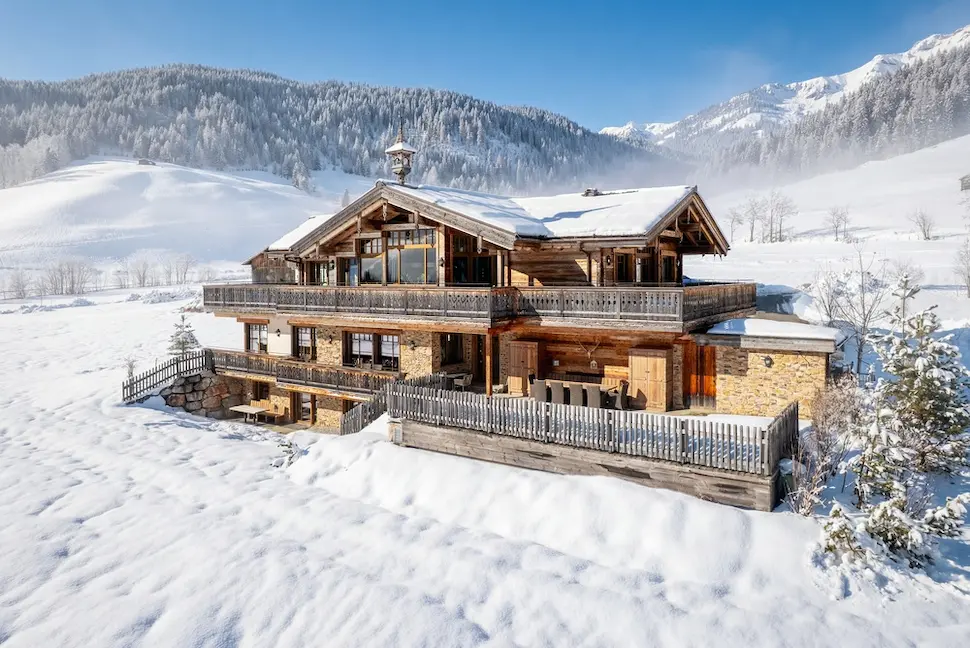
March is widely regarded as one of the most rewarding times to be in the Alps, not just for the quality of skiing, but for the overall experience. By this stage of the season, snow conditions are typically well-established, while longer daylight hours and softer temperatures create a more enjoyable rhythm to the day.
Destinations such as St. Moritz, Verbier, and Courchevel 1850 continue to operate at the highest level, but without the intensity of peak-season demand seen in February. This shift brings a more relaxed, discreet atmosphere, something increasingly valued by high-net-worth travellers seeking both performance and privacy.
Beyond the slopes, the Alps have evolved into fully integrated luxury destinations. Michelin-starred dining, private wellness facilities, and members’ clubs now form a central part of the experience, offering a level of depth that extends well beyond skiing itself.
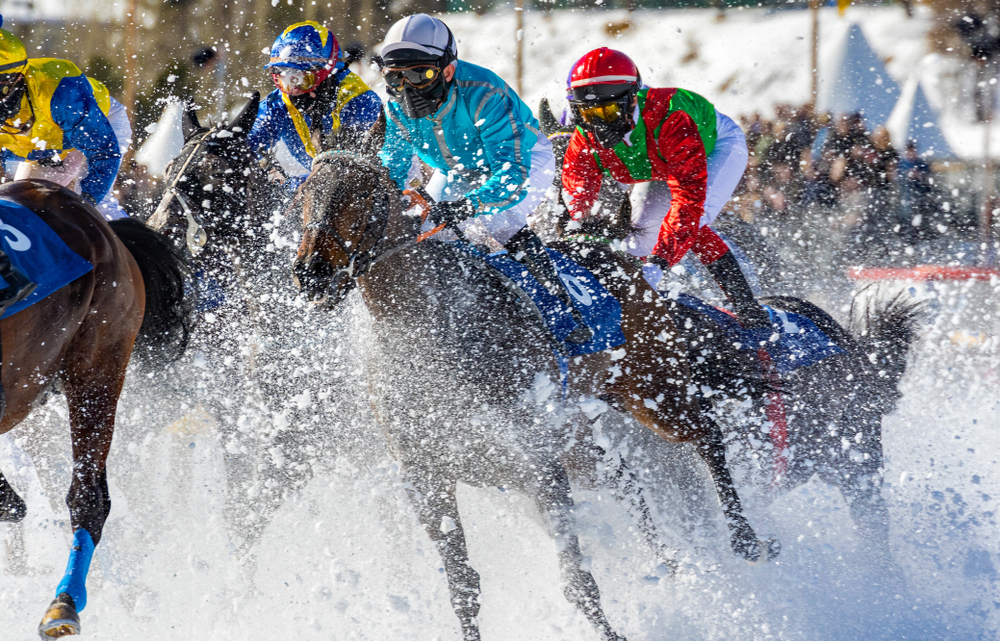
March also introduces a more social dimension to these locations. Seasonal events, from polo on frozen lakes to curated closing gatherings, add another layer to the calendar, without overwhelming the core appeal of space and access.
For those looking to combine performance with discretion, the final weeks of the Alpine season offer a compelling balance, where conditions remain strong, but the experience becomes significantly more refined.
Early Mediterranean Escapes Before the Crowds
While the Mediterranean is often associated with peak summer travel, March offers a far more considered way to experience some of Europe’s most sought-after destinations. As the region transitions into spring, locations begin to reopen, quietly, and without the intensity that defines July and August.
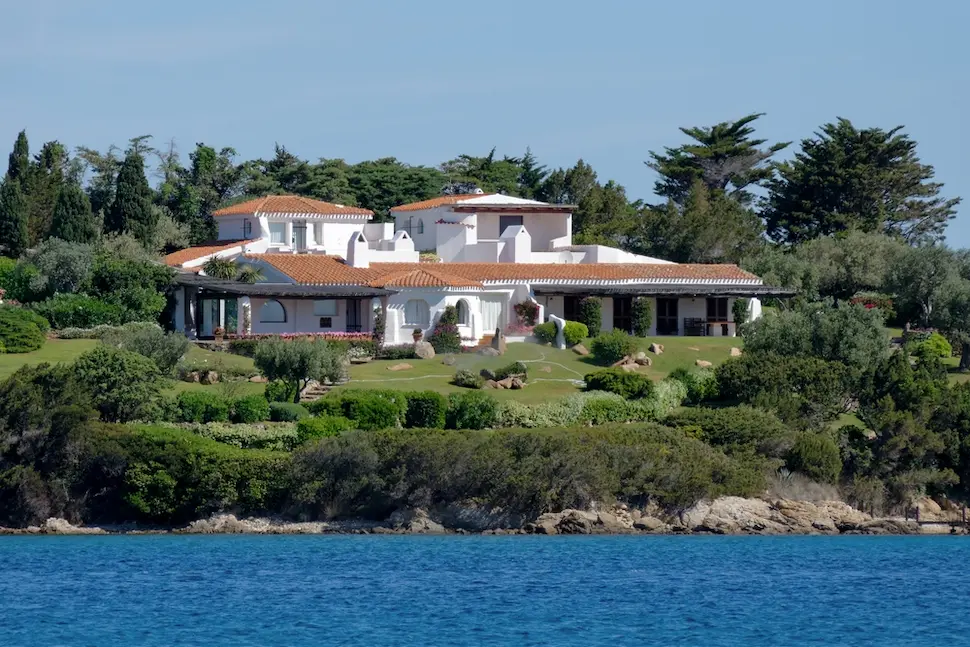
Destinations such as the French Riviera, Lake Como, and Mallorca start to re-emerge, offering mild temperatures, increased availability, and a noticeably slower pace. Restaurants reopen, hotels operate with greater flexibility, and the overall experience becomes more personal and less transactional.
For high-net-worth travellers, this shift is significant. March provides access to destinations in their most authentic state, before they are shaped by peak-season demand. Beach clubs are not yet crowded, reservations are not constrained, and movement through each location feels more fluid.
There is also a practical advantage. For those considering property acquisitions or second homes, this period allows for a more measured approach. Viewings can be arranged with greater discretion, and time spent in each destination is less dictated by seasonal pressures.
In this sense, March is not simply an alternative to summer; it is, in many ways, a more refined version of it.
European City Breaks at Their Best
March is arguably one of the most effective times to experience Europe’s leading cities, when cultural calendars are in full swing, yet the pace remains measured. Without the density of peak tourism, cities feel more accessible, allowing for a more fluid and considered way to move between galleries, restaurants, and neighbourhoods.
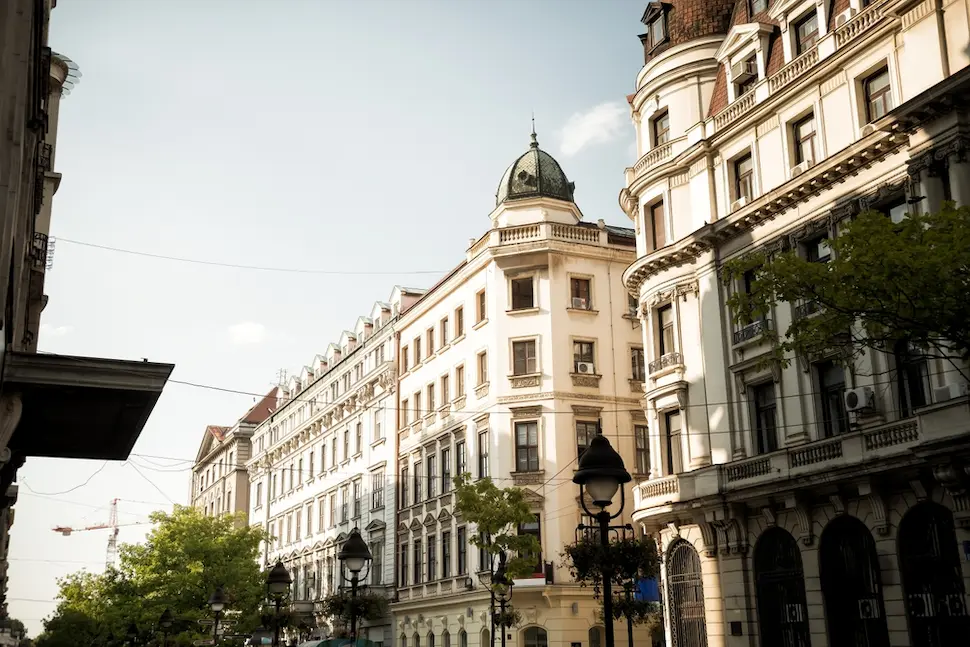
Destinations such as Paris, Milan, and Barcelona offer a particularly strong balance at this time of year. Exhibitions, fashion events, and private viewings continue at a pace, while the absence of summer crowds creates a noticeably different experience, one that feels closer to how these cities are intended to be lived in.
In Milan, early spring marks the beginning of key moments in the design and fashion calendar, attracting a global audience while still maintaining a level of discretion. Paris, by contrast, offers a more understated version of its usual high season, where access to restaurants, exhibitions, and cultural spaces becomes significantly easier to secure.
For high-net-worth travellers, this translates into something increasingly valuable: time. Time to experience a city without friction, to move without constraint, and to engage with each destination more deliberately.
As with other March travel windows, the appeal is not just the destination itself, but the conditions in which it is experienced.
The Rise of Quiet Luxury Travel
A defining shift in 2026 is the move towards more discreet, experience-led travel. For high-net-worth individuals, the focus is no longer on visibility but on access, prioritising privacy, quality, and control over how and where time is spent.
This has led to a clear preference for low-density, high-quality environments. Private villas are increasingly favoured over hotels, not for scale, but for autonomy. Destinations that offer strong infrastructure without overt exposure, such as St. Moritz or Lake Como, continue to perform well, not because they are unknown, but because they allow for a more controlled experience within established markets.
There is also a growing emphasis on timing. Travelling just before or just after peak season, such as in March, has become a deliberate strategy, allowing individuals to access the same destinations with fewer constraints. This approach aligns with a broader shift towards efficiency, where time, privacy, and flexibility are valued as highly as the destination itself.
In many ways, this reflects a wider evolution in how luxury is defined. It is less about overt signals and more about how seamlessly an experience is delivered, whether that is securing last-minute access, maintaining discretion, or simply having the space to move without interruption.
For those who are well-positioned, quiet luxury travel is not about discovering new destinations. It is about experiencing familiar ones in a more considered way.
Combining Travel With Financial Planning
For many high-net-worth individuals, travel decisions are rarely made in isolation. Increasingly, they intersect with broader financial strategy, whether that involves acquiring a second home, restructuring existing assets, or preparing for upcoming transactions.
March is a particularly effective time to align these considerations. As destinations such as the French Riviera, Lake Como, and Mallorca begin to reopen, it creates an opportunity to assess markets before peak-season competition returns. Property viewings can be conducted with greater discretion, and negotiations are often less influenced by the urgency that defines the summer months.
From a financing perspective, this timing can also be advantageous. Structuring lending facilities ahead of the summer, whether for acquisitions, refinances, or liquidity, allows for greater flexibility and execution certainty when opportunities arise. For clients with international assets or income streams, early planning ensures that cross-border considerations are addressed well in advance of any transaction.
This is particularly relevant in markets where demand remains consistently global. Acting ahead of peak periods is not simply about convenience; it can influence both pricing and access.
In this context, March becomes more than a travel window. It is a point in the calendar where lifestyle and financial positioning naturally align, allowing decisions to be made with greater clarity and control.
Final Thoughts
March offers something increasingly difficult to secure in today’s travel landscape: access without compromise. It sits between seasons, yet benefits from the strengths of both, delivering peak Alpine conditions, early Mediterranean calm, and fully active European cities, all without the constraints of peak demand.
For high-net-worth travellers, this is less about timing by coincidence and more about timing by design. Travelling in March allows for greater privacy, improved availability, and a more measured pace, whether that involves a final ski trip in St. Moritz, an early visit to Lake Como, or time spent in cities such as Paris and Milan.
It also reflects a broader shift in how luxury is approached. Increasingly, the emphasis is on experience, efficiency, and discretion, choosing when to engage with a destination, rather than simply where.
In that sense, March is not just an alternative to peak season. It is, for many, the more considered option.
Luxury Travel
Luxury Travel
March offers a unique window for luxury travel, combining late-season Alpine experiences, early Mediterranean escapes, and cultural European city breaks, delivered with greater privacy, access, and flexibility before peak demand returns.
Written by Islay Robinson