Each February, something extraordinary happens in St. Moritz.
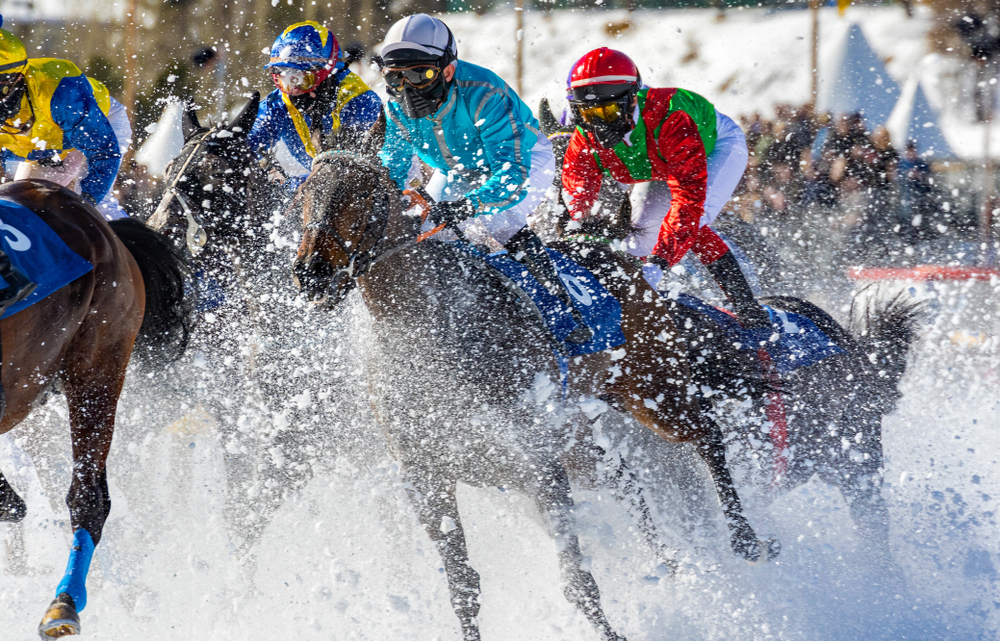
The lake freezes solid. Grandstands rise from the snow. Silk-clad jockeys line up against a backdrop of Alpine peaks. And for three Sundays, the Engadin valley becomes home to one of the most visually arresting sporting spectacles in Europe.
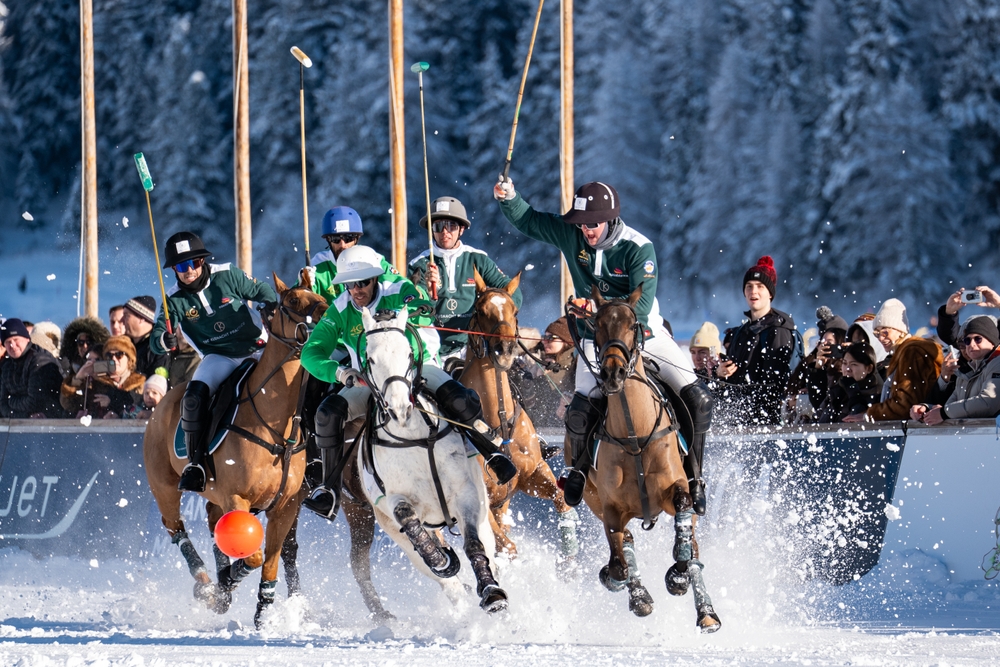
White Turf is not simply horse racing, it is theatre on ice. A frozen racecourse carved into Lake St. Moritz. Gallop and trotting races unfolding across snow. Skiers pulled at speed behind thoroughbreds in the world’s only skijöring championship staged on a natural ice surface.
White Turf 2026: Dates & Race Overview
White Turf 2026 takes place across three Sundays, 8, 15 and 22 February, transforming the frozen Lake St. Moritz into a temporary racecourse framed by snow-covered peaks.
The 2026 programme features 47 horses from four countries competing across six races, including flat gallop contests, competitive trotting races and the world-exclusive discipline of skijöring. Total prize money exceeds 100,000 Swiss francs, with the 1,300-metre sprint widely regarded as a highlight of the series.
First staged in 1907, White Turf has evolved into one of Europe’s most distinctive winter sporting events. Approaching 120 years of history, it remains a defining fixture of the Engadin season.
The Spectacle on the Frozen Lake
More than 30,000 visitors travel to the Engadin valley each February to experience racing on snow, an event format found nowhere else at this scale.
Gallop races unfold across a carefully prepared snow track, while skijöring, unique to St. Moritz, sees skiers pulled at speeds of up to 50 km/h by riderless thoroughbreds along a 2,700-metre course. The discipline demands balance, strength and exceptional timing, and remains the most anticipated race of the day.
Beyond the track, a temporary “tent city” spanning over 130,000 square metres hosts private hospitality suites, fine dining, luxury retail pop-ups and live entertainment. The atmosphere attracts horse owners, international guests, private banking networks and European family offices, reinforcing St. Moritz’s reputation as one of the most exclusive winter events in Europe.
While racing depends on sufficient ice thickness, cancellations have been rare over recent decades. Even in the unlikely event of disruption, hospitality and private events continue, ensuring February remains one of the most active periods in the St. Moritz social calendar.
Access, Discretion & the February Wealth Calendar
White Turf weekend functions as more than a sporting event; it operates as a seasonal meeting point for internationally mobile capital.
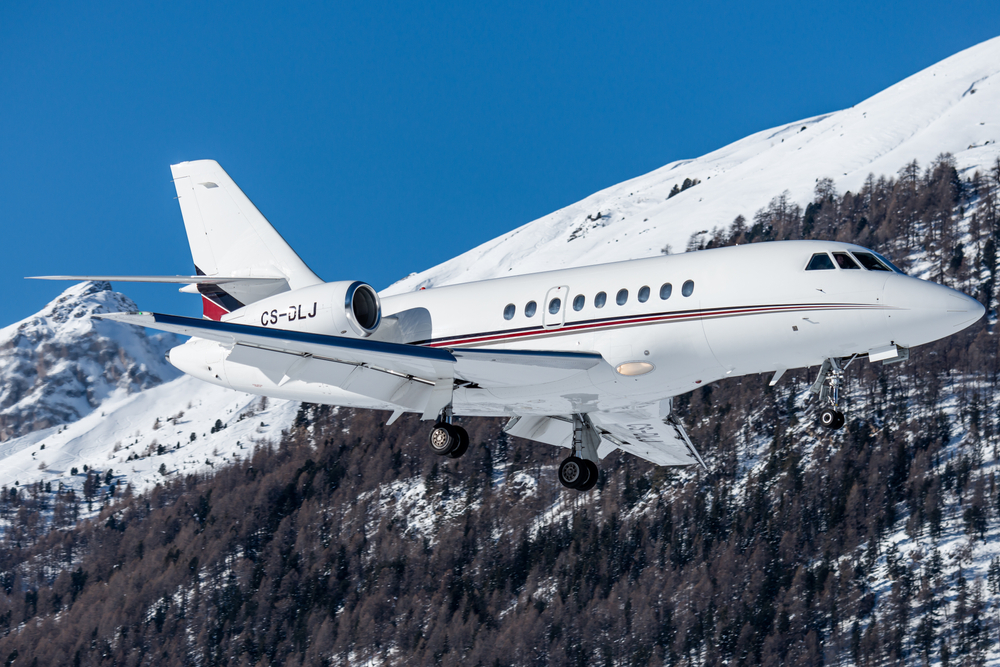
Many attendees arrive via private aviation into Samedan Airport, located minutes from the resort, while helicopter transfers from major Swiss hubs and Northern Italy provide efficient access during peak winter traffic.
This emphasis on discretion, flexibility and time efficiency reflects the broader rhythm of February in St. Moritz, a period when:
- Chalet occupancy reaches seasonal highs
- Private client meetings intensify
- Property viewings increase
- Cross-border discussions accelerate
Arrival itself becomes part of the experience, with panoramic Alpine approaches setting the tone for a weekend that blends sport, social life and strategic proximity.
The February Effect on the St. Moritz Property Market
In prime Alpine destinations such as St. Moritz, property activity often aligns with peak winter season. February is typically one of the busiest periods in the resort calendar, as visitors combine major social fixtures, including White Turf, with property viewings.
Seasonal interest in ski-in, ski-out chalets and lake-facing apartments is naturally heightened during:
- Peak occupancy across the resort
- Major winter events
- Periods of limited prime supply
For many non-resident buyers, viewing property during February allows them to experience assets in full winter operation.
Why St. Moritz Continues to Attract International Buyers
St. Moritz has long been regarded as one of Europe’s most established Alpine destinations. Its appeal extends beyond the winter season, underpinned by structural characteristics that differentiate it from many other resort markets.
Among the factors frequently cited by property advisers and industry reports are:
- Switzerland’s political neutrality and economic stability
- Strict planning regulations that limit large-scale oversupply
- Controlled development in prime Alpine locations
- A longstanding reputation for discretion and quality
These characteristics contribute to St. Moritz’s position as a mature and supply-constrained luxury property market, where demand is closely tied to lifestyle appeal, heritage and long-term ownership patterns rather than rapid speculative turnover.
For many buyers, Alpine property in Switzerland is viewed as both a lifestyle acquisition and a strategic long-term holding, particularly in destinations with limited new stock and established global recognition.
The Bigger Picture
White Turf is not simply a horse racing event. It is a marker within the international wealth calendar, a point at which lifestyle, capital and Alpine real estate intersect.
For internationally mobile buyers, February in St. Moritz offers:
- Seasonal visibility
- Concentrated access to advisers and networks
- Real-time assessment of property assets
- Strategic proximity during peak winter season
As White Turf 2026 unfolds across the frozen lake, the conversations extending beyond the racecourse are often just as significant.
white turf
white turf
As White Turf concludes, attention often turns from the racecourse to real estate, where February remains one of the most significant moments in the St. Moritz property year.
Written by Islay Robinson