Interview with Karen Jones, CEO and Founder of Citywealth: Cross-Border Wealth, Property and the Future of Private Wealth
19th Aug 26 · Last updated 25th Aug 26 · 7 MIN READKaren Jones, CEO and founder of Citywealth, has spent more than two decades shaping the conversation around global private wealth. Since launching Citywealth in 2005, she has built a platform connecting ultra-high-net-worth individuals with wealth managers and advisers across international markets. In this interview, Jones discusses the growing complexity of cross-border wealth, changing attitudes towards offshore structures, property and taxation. She also shares her trusted advice for the next generation of leaders.
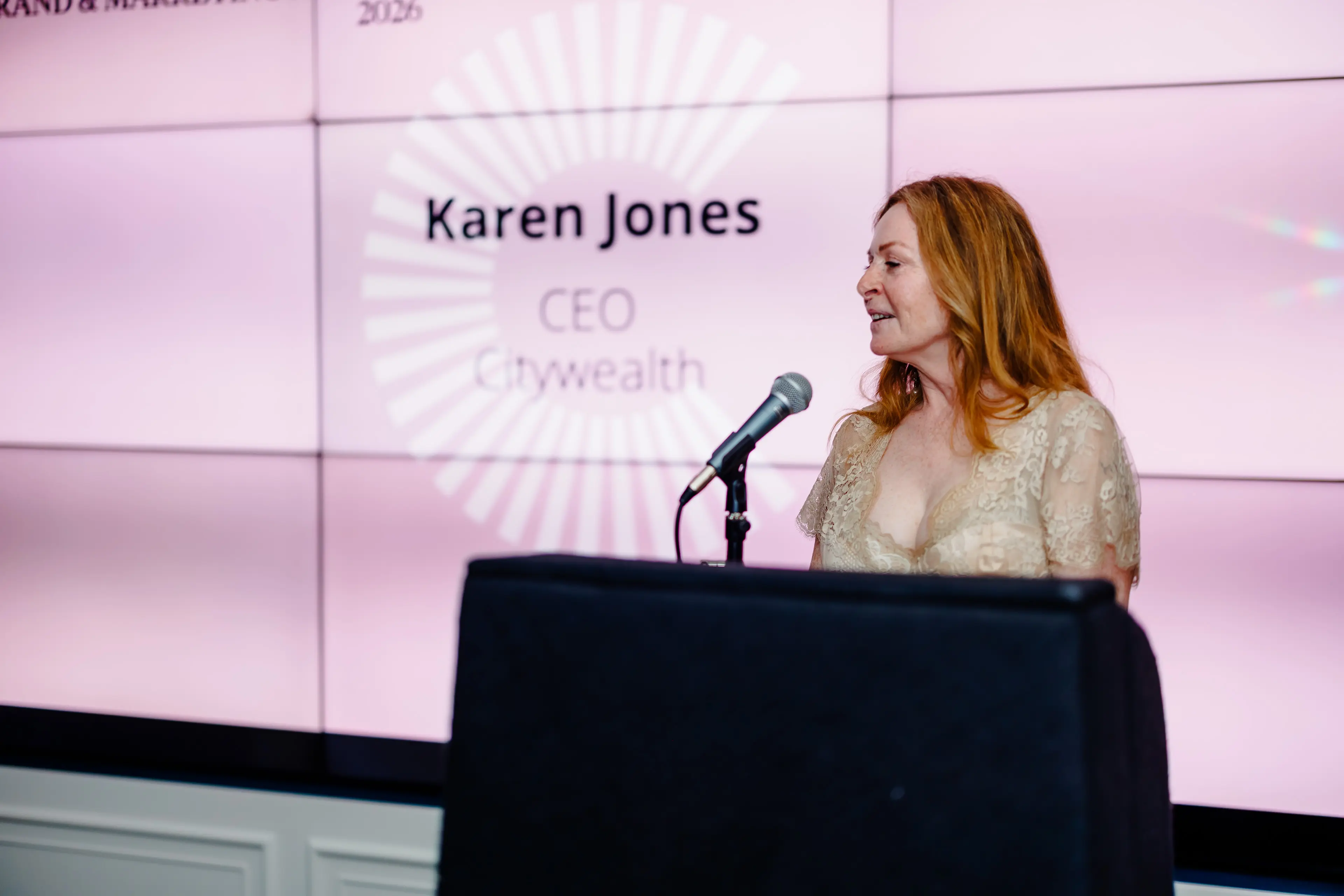
Karen Jones, CEO and founder of Citywealth, has spent more than two decades shaping conversations across the global private wealth sector. Since launching Citywealth in 2005, she has built a platform connecting ultra-high-net-worth individuals with private wealth managers, advisers and professional services firms across international markets.
In this interview, Karen discusses the growing complexity of cross-border wealth management, changing attitudes towards offshore structures and trusts, the evolving role of property in ultra-high-net-worth portfolios, and the impact of taxation and geopolitical uncertainty. She also shares her perspective on the future of private wealth and offers practical advice for the next generation of leaders and entrepreneurs.
You founded Citywealth in 2005, following a career in journalism and publishing. What gap in the media landscape did you identify, and how has your original vision evolved?
I saw an opportunity for a private wealth publication that connected offshore jurisdictions with the mainland. At the time, I realised that no one was really joining the dots between the Channel Islands, the Isle of Man, Switzerland and the UK, despite the strong working relationships between these jurisdictions.
That original vision still underpins the company today, but we have also developed more activist areas, such as supporting women in their careers in private wealth management and championing the NextGen, people who were often not considered to have enough “grey hair” to be trusted with significant investments.
We wanted to help bring about change and provide greater support and opportunities for these individuals.
Get in the Know
Subscribe to our newsletter
Having spent years speaking with leading private bankers, family offices and advisers, what are the biggest changes you have seen in the priorities of UHNW clients?
They do not want to be connected with bad news, such as the Panama Papers. Structuring through trusts still happens, but there is now much greater consideration around how those structures might look on the front page of a newspaper.
The financial needs of international entrepreneurs and investors are increasingly complex. From your perspective, how has cross-border wealth management changed over the last decade?
I think it is still complicated, mainly because laws and taxes are constantly changing. I would like to say that companies have come up with all the answers, but the feedback suggests they have not.
Instead, it is about a selection of trusted advisers and managers working together.
That said, there has been much more professionalisation within the wealth management sector, particularly as issues such as greenwashing in investments have come under greater scrutiny from the media and have been addressed by governments.
Property remains a cornerstone of many UHNW portfolios, despite changing economic conditions. How do you see the role of property evolving within long-term wealth preservation and investment strategies?
Property remains a trophy asset in key jurisdictions, but taxation is causing that to change for some investors and prompting others to exit.
Hotels, however, seem to have a never-ending fascination. There is an attraction to the combination of the building itself and the cash flow generated within it.
We also have a relatively weak pound in Britain compared with other currencies, which is creating opportunities for foreign buyers to purchase at what can effectively feel like a currency discount.
Through the Citywealth Forum, you have brought together politicians, economists and wealth professionals to discuss global issues. Which geopolitical trends do you think private clients and advisers should be watching most closely over the next five years?
Five years is too long a timeframe. Over the next year, I think government tax investigations and anti-rich rhetoric will be important to watch, including the potential for new taxes targeting this segment across many countries.
You have received numerous international business awards and were granted the Freedom of the City of London. Which achievement has meant the most to you?
It is always good to be recognised for helping others. Many of my American awards have been for supporting women in the finance industry.
However, with so few female entrepreneurs, it was particularly meaningful to be recognised by the London Chamber of Commerce for entrepreneurship.
Looking ahead, how do you see Citywealth evolving over the next decade? Are there new markets, technologies or communities you are particularly interested in?
We are now 100% devoted to the USA and operating in a transatlantic mode.
We see the to-and-fro between the USA and Europe as an important and ongoing dynamic, and something we want to highlight and focus on within wealth management and the private client sector.
Finally, what advice would you give to the next generation of leaders and entrepreneurs entering the sector?
Be much more persistent when trying to reach people. Saying, “They didn’t reply to an email,” is just not good enough.
Research people before approaching them for a job, meeting or advice. Look at what they are talking about, their news and their posts. Do not just email once and give up. Send a LinkedIn message to say, “Could you take a look at my email?” Then follow up again.
I find that many job seekers I have helped need to understand that it takes more than a spray-and-pray approach.
Also, get your LinkedIn profile active and full of content, even if that means reposting. Fill it with content that demonstrates your interest in the job, person or activity you want to connect with.
Most importantly, find someone you can trust during difficult times. Work does not always go well, and neither do personal relationships. Everyone needs someone they can turn to and say, “Things aren’t going well, what should I do? I need some advice.”
About Karen Jones
Karen Jones is the CEO and Founder of Jones Publishing, the company behind Citywealth, a media and events business connecting ultra-high-net-worth individuals with private wealth managers and advisers. Founded in 2005, Citywealth provides information and insight to the global wealth management sector and hosts six annual awards recognising excellence across the industry.
Karen also created the Citywealth Forum, an international platform bringing together influential thought leaders to discuss key issues affecting wealth management within a changing geopolitical landscape. Following its launch in 2022, the Forum expanded to the USA, with its first New York event held in 2023.
A natural communicator and entrepreneur, Karen has developed expertise across business, finance, technology and publishing. She has studied executive management at London Business School and the University of Oxford, as well as macroeconomics at the London School of Economics. She has also undertaken courses in computer science at Stanford University and fintech at Oxford University.
Karen is a multi-award-winning businesswoman and has received thirteen Stevie Awards for Women in Business, including three Gold Awards. Her other recent recognition includes a Silver Award in the Businesswoman of the Year category at the London Chamber of Commerce & Industry SME London Business Awards in 2024, a Silver International Women’s Award at the National Business Awards in 2026, and inclusion in the Innovate Finance Women in Fintech Powerlist 2025.
In 2016, Karen was granted the Freedom of the City of London and became a member of The Guild of Freemen of the City of London. She also has a strong interest in art, particularly Chinese art, and has explored the intersection of art and technology through her interest in NFTs, including speaking at a TEDxHSG salon at the University of St Gallen in Switzerland.
Before founding Jones Publishing, Karen spent more than seven years at News International in editorial and commercial roles, working primarily across the legal and financial sectors for titles including The Times and The Sunday Times. She subsequently worked in legal publishing, where she was involved in running Legal Business and Asia Pacific Legal 500 and launching industry awards and events.
After taking a two-year career break in 2000 to travel from Alaska to Antarctica, Karen returned to publishing and took over the legal magazine In Brief. She grew the business from a company emerging from bankruptcy into a successful publishing and events operation generating £500,000 a year.
One of her early initiatives, a technology dinner, grew from a cocktail event for 20 people into a 1,000-person awards dinner within three years.
Karen’s continuing professional education includes executive management, organisational leadership, macroeconomics, American art history, Mandarin, computer studies and fintech.