
Photo Credit: Rolls-Royce Motor Cars
Rolls-Royce Spectre: Electric Luxury Transition
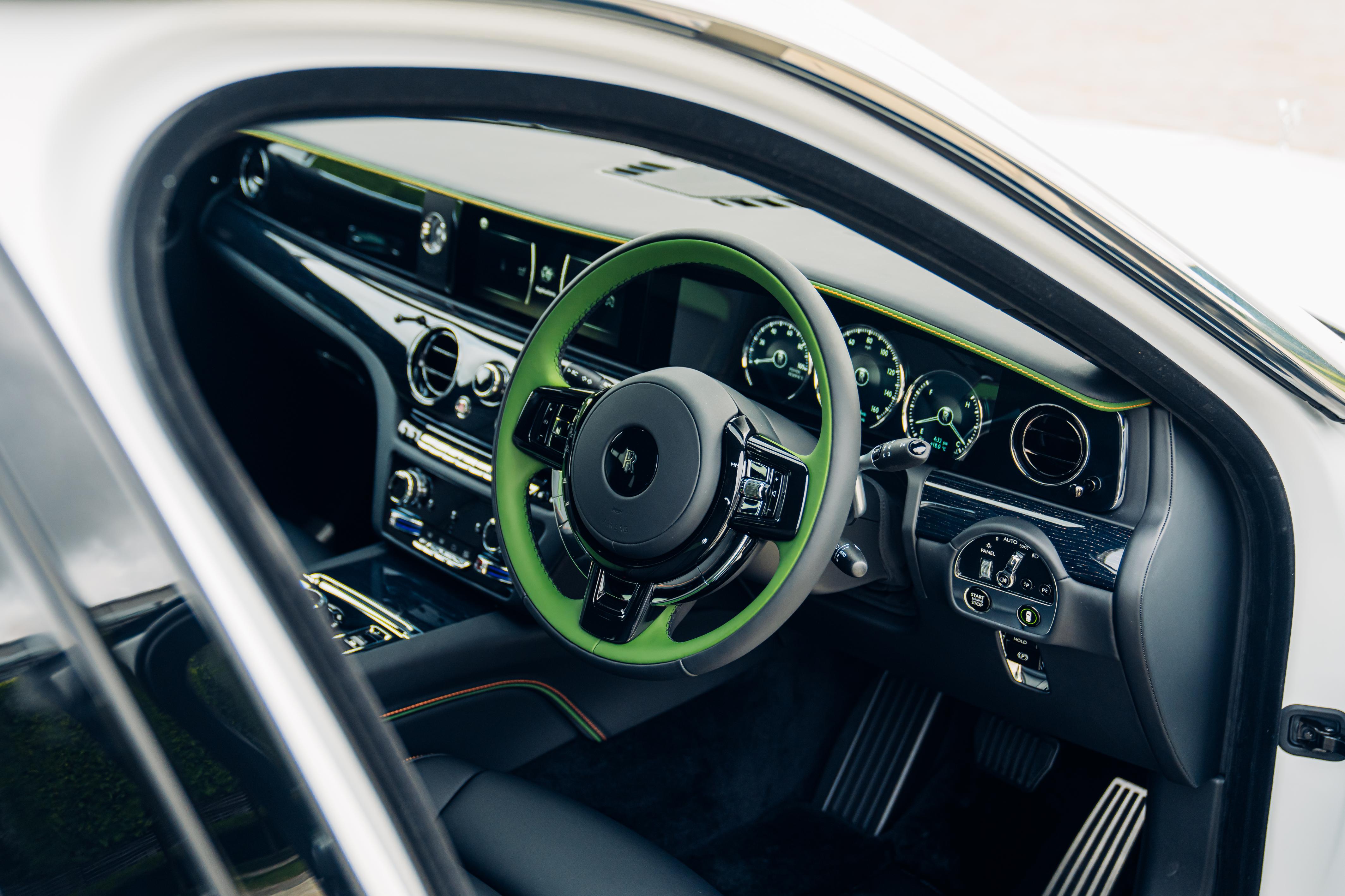
The Rolls-Royce Spectre represents the brand’s transition into fully electric luxury motoring, with production based at its Goodwood facility in the UK.
The model combines traditional design language with modern electric engineering, reflecting broader industry movement towards electrification within the ultra-luxury automotive segment.
Design elements continue to reference the brand’s heritage, including signature detailing and bespoke interior customisation.
Contemporary Art and Performance Integration
In the contemporary art sector, institutions such as The Barnes Foundation in Philadelphia continue to explore interdisciplinary programming that combines visual art with performance-based work.
This reflects a wider trend in cultural institutions towards experiential and movement-led exhibitions, where traditional gallery spaces are activated through live interpretation.
Emerging Artists and Cultural Collecting
The global art market continues to see interest in emerging contemporary artists whose work bridges fine art, design, and cultural commentary.
Collectors are increasingly drawn to works that reference movement, identity, and modern visual culture, particularly where exhibitions are supported by established galleries.
Luxury Hospitality Expansion: Brand-Led Dining
Major luxury groups continue to expand their hospitality footprint through integrated dining concepts within established resort and city destinations.
These developments typically combine curated culinary experiences with branded retail or cultural programming, reinforcing a broader lifestyle positioning.
Cultural Spaces and Design-Led Hospitality
Urban hospitality spaces are increasingly incorporating cultural programming, including bookstores, exhibition areas, and membership-led environments.
This reflects a growing convergence between hospitality, retail, and cultural experience within major global cities.
Rooftop Hospitality and Urban Leisure
Rooftop spaces remain a defining feature of luxury urban hospitality, particularly during summer months.
These environments typically combine leisure facilities, dining, and panoramic city views, offering an elevated experience within dense metropolitan settings.
Experiential Travel: Wildlife and Conservation Tourism
Luxury wildlife tourism continues to expand across East Africa, with structured itineraries combining conservation areas, private reserves, and guided migration viewing.
These journeys typically integrate multiple lodges and camps, offering a progression-based travel experience across different ecosystems.
Final Thoughts
Across automotive design, cultural programming, hospitality, and travel, luxury continues to move towards integrated, experience-led formats.
The emphasis remains on access, curation, and environmental context, with increasing focus on how experiences are structured rather than simply where they take place.
Written by Islay Robinson