


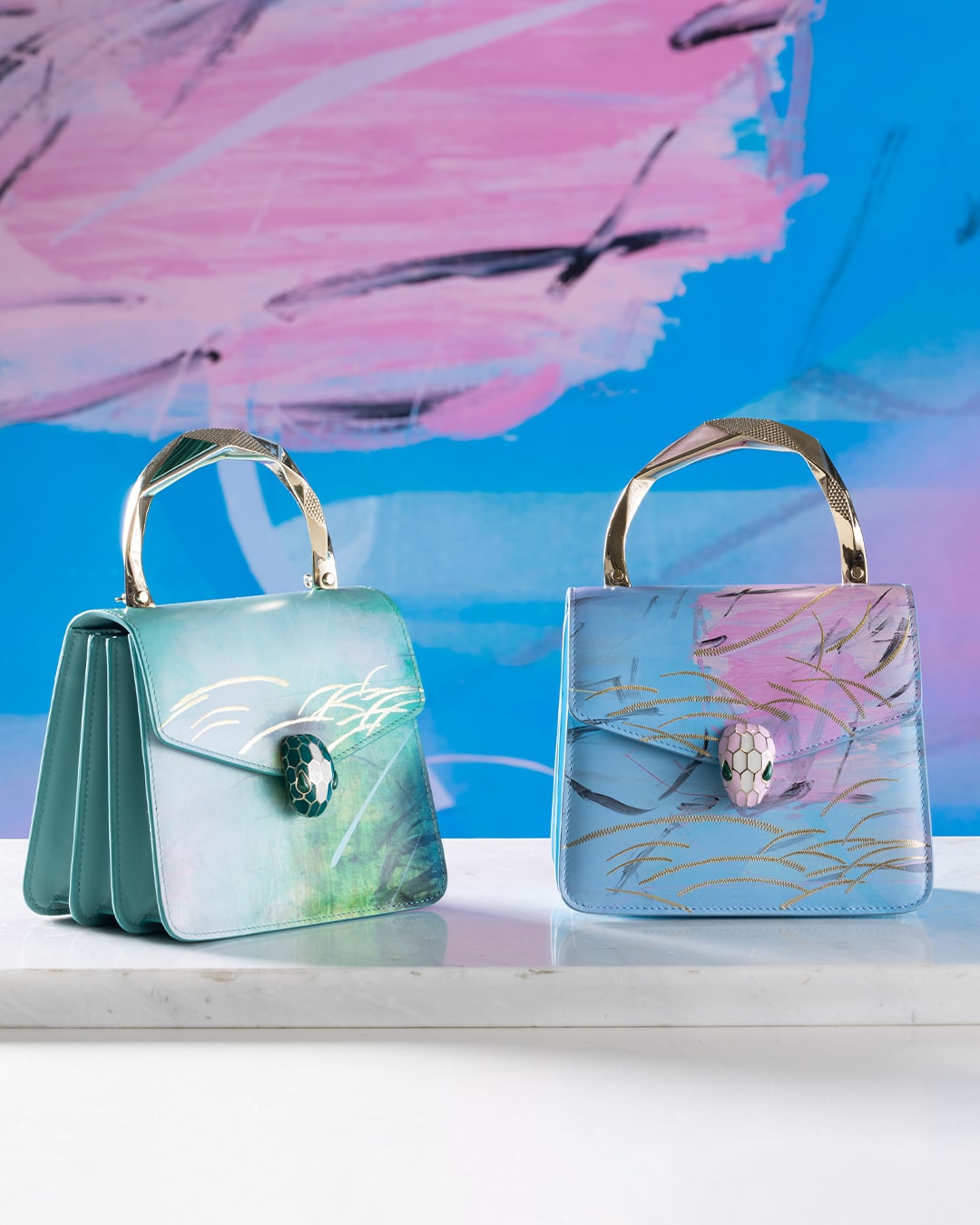
Photo Credit: Bulgari
Luxury Accessories and Collectible Design
Luxury fashion continues to expand into collectible and limited-edition design, with handbags increasingly positioned as high-value lifestyle assets.
Brands are incorporating collaborations with contemporary artists and designers, combining traditional craftsmanship with modern artistic influence. Limited production runs and digital authentication elements are becoming more common within this segment.
Integrated Luxury Hospitality
Global luxury hospitality brands continue to develop integrated resort and city-based experiences that combine accommodation, wellness, and retail.
These properties often feature bespoke design elements and branded experiences, reflecting a broader shift towards fully immersive luxury environments.
Urban Heritage Hospitality
Historic buildings in major cities are increasingly being repurposed into luxury hospitality spaces, combining architectural preservation with modern interior design.
These developments often include spa facilities, fine dining, and curated cultural programming, reinforcing their positioning as multi-experience destinations.
High-End Urban Hospitality Experiences
City-centre luxury hotels continue to evolve their offering with themed suites and experiential dining concepts inspired by historical or cultural narratives.
These environments typically combine landmark locations with curated guest experiences and premium service offerings.
Fine Dining and Culinary Research
The global fine dining sector continues to be influenced by chefs who integrate research, biodiversity, and regional sourcing into their culinary approach.
This includes multi-location dining concepts that extend beyond restaurants into experimental kitchens, farms, and research-focused environments.
Cultural Institutions and Contemporary Art
Major museums and cultural institutions continue to expand large-scale exhibition spaces dedicated to modern and historical collections.
These venues often combine architecture, digital curation, and extensive archives, reflecting the scale of contemporary cultural preservation.
Private Members’ Clubs and Hospitality Expansion
Private members’ clubs in global cities continue to expand, often incorporating hospitality, retail, and curated cultural programming within a single membership model.
These spaces reflect increasing demand for controlled access environments that combine networking, leisure, and exclusive services.
Final Thoughts
Across fashion, hospitality, art, and travel, luxury continues to evolve towards integrated, experience-led ecosystems.
The emphasis is increasingly on curation, exclusivity, and cross-sector collaboration, rather than standalone products or services.
Written by Islay Robinson