


A Legacy of Collecting and Hospitality
In Nassau, the Graycliff Hotel & Restaurant stands as a distinctive example of privately owned luxury hospitality. Developed from an 18th-century estate, the property has evolved into a boutique destination combining accommodation, dining, and specialist experiences.
A defining feature is its extensive wine cellar, recognised internationally and housing a significant collection of rare and historic bottles. This focus on provenance and depth reflects a broader commitment to craftsmanship and heritage.
Affluent Travel Trends
Global travel patterns among high-net-worth individuals continue to shift towards more curated and private experiences. Industry events such as the International Luxury Travel Market provide insight into emerging demand, particularly across North America.
Key themes include low-density travel, bespoke itineraries, and fully private charters. Yachting experiences, for example, are increasingly structured around small groups, combining flexibility with high levels of service and personalisation.
Personalised Hospitality and Cultural Integration
Luxury hospitality is increasingly shaped by partnerships with cultural institutions and private estates. In cities such as Amsterdam, hotels are introducing highly personalised experiences that connect guests directly with art, history, and local identity.
This includes curated interiors, access to collections, and bespoke programming, creating a more immersive and differentiated stay.
Destination-Led Experiences
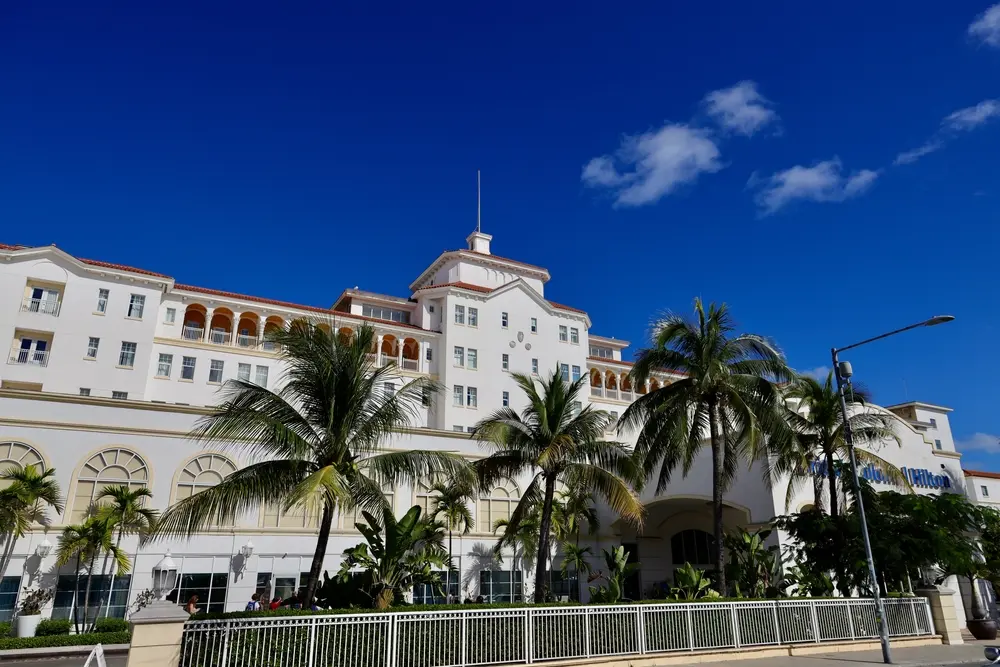
Integrated resort developments continue to play a role in the global luxury travel landscape. In destinations such as the Bahamas, large-scale properties combine accommodation, dining, and leisure infrastructure within a single location.
These environments offer a broad range of experiences, from private charters to structured events, while maintaining a level of service expected within the high-end travel sector.
Final Thoughts
Luxury travel continues to move towards experiences that prioritise access, curation, and individuality. Whether through private collections, tailored itineraries, or culturally integrated hospitality, the focus is increasingly on depth rather than scale.
For high-net-worth travellers, this evolution reflects a more considered approach, where destinations and experiences are selected not only for their reputation, but for the level of control and personalisation they offer.
Written by Islay Robinson