

Goodwood Festival of Speed: Performance and Prestige
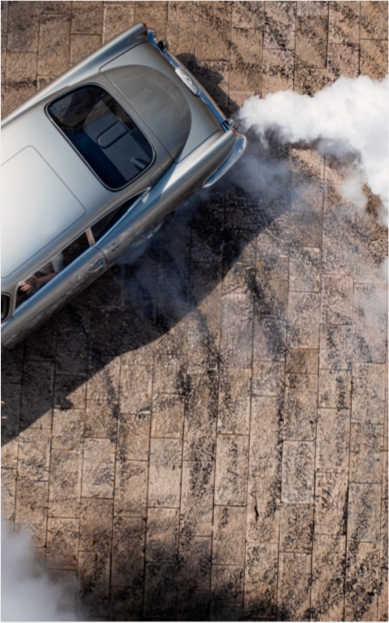
The Goodwood Festival of Speed continues to be one of the UK’s most established automotive events, bringing together manufacturers, collectors, and enthusiasts within the Sussex countryside.
The programme typically combines historic motorsport with the launch of new models and concept vehicles, reflecting both heritage and innovation within the automotive sector.
In recent years, the event has also evolved into a broader lifestyle platform, with curated hospitality, private viewing experiences, and elevated dining integrated into the wider schedule.
Experiential Luxury: Product and Craft-led Travel
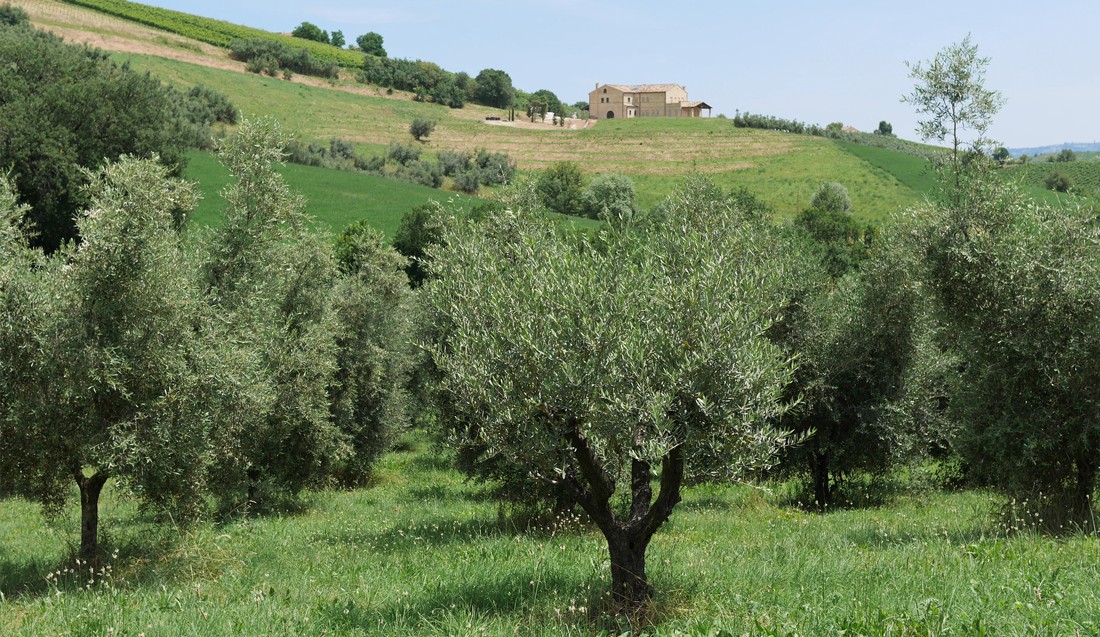
A growing segment of luxury travel focuses on experiential ownership and provenance-led products. This includes agricultural adoption models, where consumers engage directly with production sources and regional farming communities.
These initiatives often emphasise traceability, sustainability, and long-term engagement with artisanal producers.
![207minor-train[60].jpg](/application/files/9417/1654/2144/207minor-train60.jpg)
Rail Travel: Private and Slow-Luxury Journeys
Luxury rail travel continues to expand across Asia, with private carriages offering curated itineraries through key regional routes.
These journeys typically combine accommodation, dining, and wellness services within a single controlled environment, reflecting increased demand for slower, experience-led travel formats.
![200capRochat[33].jpg](/application/files/9017/1654/3176/200capRochat33.jpg)
Heritage Hospitality: Adaptive Reuse in Coastal Destinations
Across Mediterranean destinations, historic fortifications and heritage buildings are increasingly being converted into high-end hospitality spaces.
These developments often prioritise preservation of original architecture while introducing modern suites, wellness facilities, and elevated dining concepts integrated into the surrounding landscape.
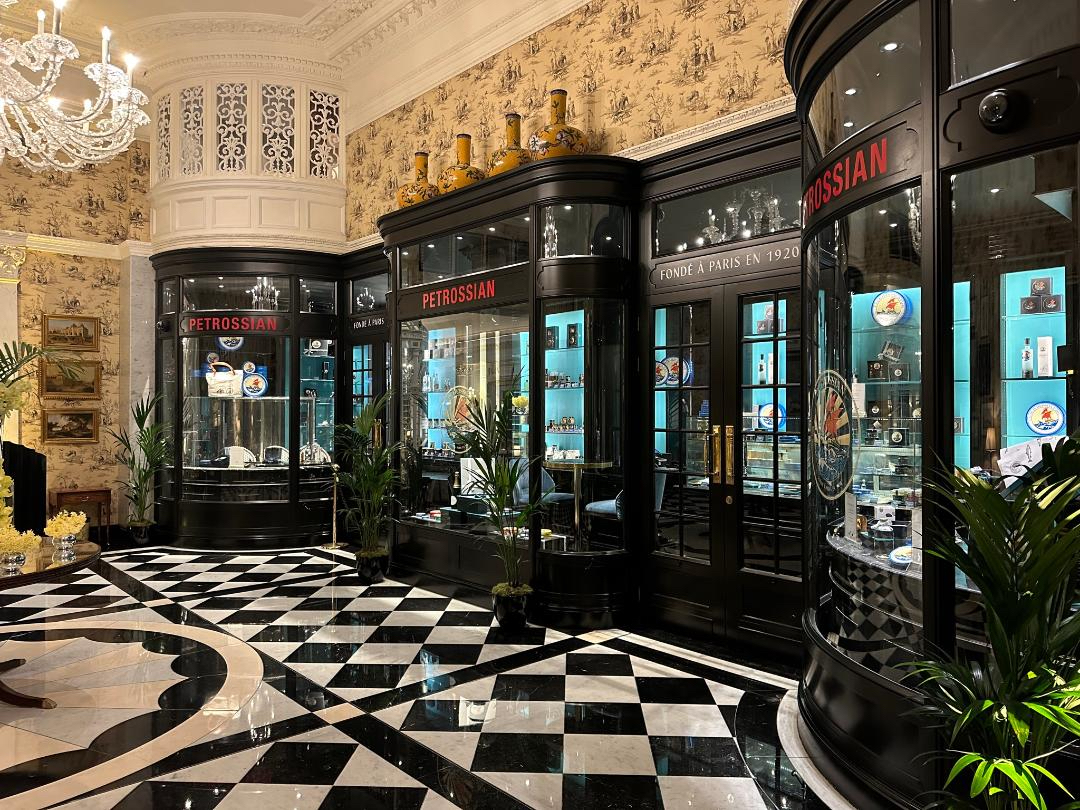
Contemporary Dining: Iconic City Institutions
Established luxury hotels in major cities continue to evolve their dining offering, with a focus on premium product sourcing and in-house culinary retail experiences.
High-end caviar, champagne pairings, and curated tasting menus remain central to this segment, reflecting continued demand for experiential dining in landmark properties.
![205midnightGolf[23].jpeg](/application/files/7317/1654/3322/205midnightGolf23.jpeg)
Destination Sport and Remote Experiences
Remote regions such as Iceland have developed into year-round destinations for sport-led travel, including golf, fishing, and equestrian experiences.
These programmes are typically designed around extreme environmental conditions and extended daylight cycles, offering access to courses and landscapes not available in traditional golf destinations.
![209Van Gogh Museum (7)[81] copy.jpeg](/application/files/2817/1654/3505/209Van_Gogh_Museum_781_copy.jpeg)
Cultural Hospitality: Art-Integrated Stays
Luxury hotels in European capitals are increasingly collaborating with cultural institutions to develop themed suites and artist-led experiences.
These partnerships typically include curated artworks, archival materials, and exclusive access elements designed to connect guests more closely with cultural heritage.
Final Thoughts
Across automotive culture, hospitality, and experiential travel, luxury continues to shift towards curated access and immersive engagement.
The emphasis is increasingly placed on experience design, provenance, and integration across travel, culture, and lifestyle sectors.
Written by Islay Robinson