

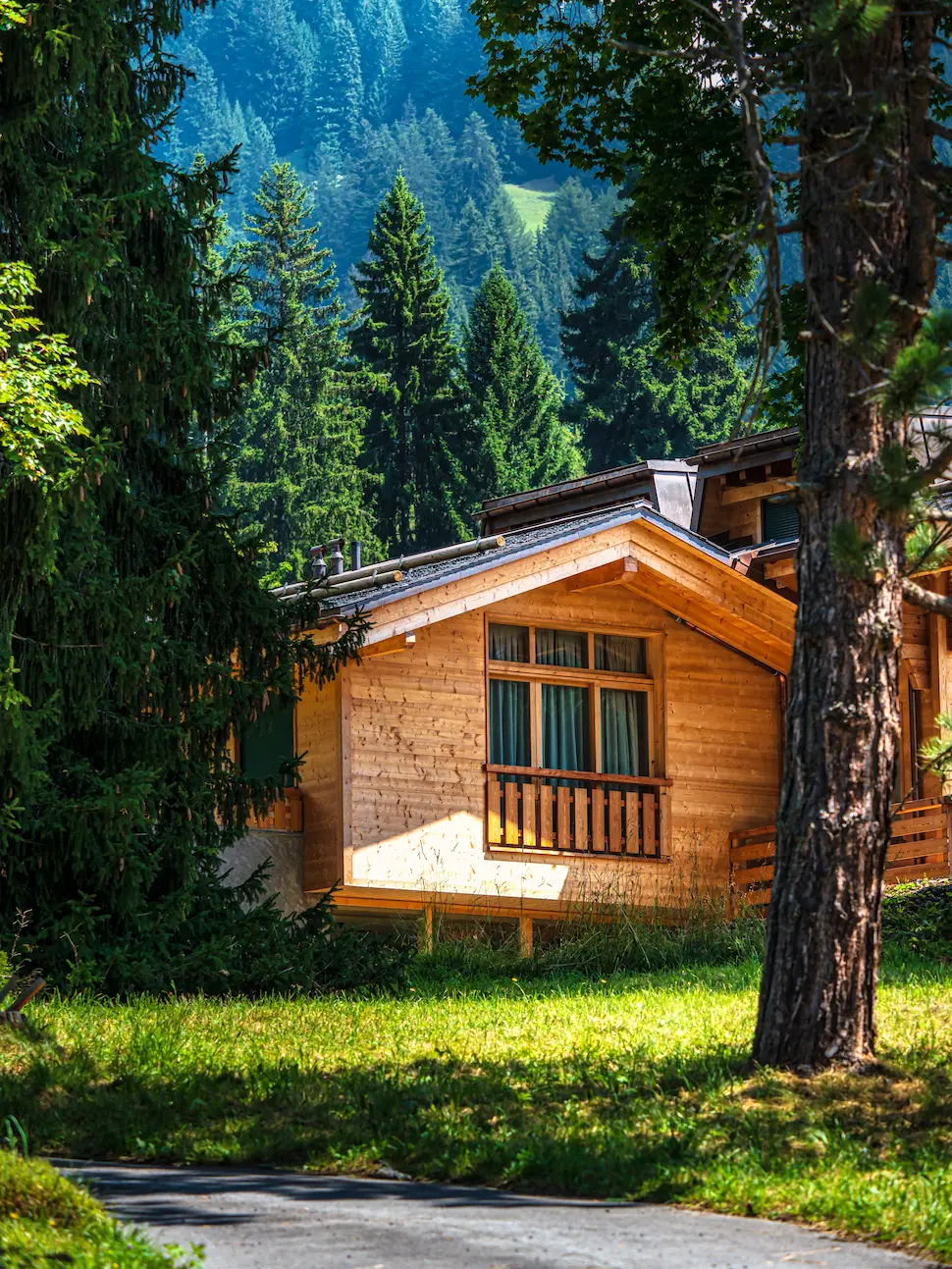
On the last morning of a ski holiday, packing up can feel particularly unwelcome. The idea of leaving your skis in your own boot room, and returning whenever your diary allows, is tempting. Buying a ski chalet means choosing somewhere you’ll enjoy beyond that perfect week. This guide explores where to buy, what ownership costs and how to approach financing, helping you picture both the pleasure of having the keys and the responsibilities that come with them.
What should you consider before buying a ski chalet?
Start with how you will use the chalet, what you can comfortably spend and who will look after it when you’re away. Those decisions give your property search a useful focus. Picture a typical year, with work commitments, school calendars and other holidays competing for space. Then agree on five things:
- Your visits: occasional long weekends or several weeks at a time?
- Your household: enough room for family, visiting friends or changing needs?
- Your budget: what can you allocate to buying, furnishing and running the property?
- Your rental plans: would you need bookings to make ownership affordable?
- Your summer plans: would you return for walking, cycling or time in the mountains?
Choose three essentials before booking viewings. An easy journey, a walkable village and reliable local management might matter more to your enjoyment than another bedroom.
Where is the best place to buy a ski chalet in Europe?
The best location depends on your budget, the journeys you will make, the skiing you enjoy and whether you can buy and use the property as intended. Start with resorts you would happily return to, then investigate individual homes. These four destinations offer useful starting points:
|
Country |
Resort to explore |
What to consider |
|
France |
Chamonix |
Whether the chalet’s location suits your preferred ski areas and everyday journeys. |
|
Switzerland |
Verbier |
Your eligibility to buy, alongside the property’s permitted use. |
|
Austria |
Kitzbühel |
Purchase approval requirements and permission to use the property as a holiday home. |
|
Italy |
Alta Badia |
Access to the slopes, village facilities and activities beyond winter. |
France: explore life across the seasons
Chamonix offers skiing alongside summer walking, climbing and mountain biking. That makes it worth exploring if your idea of mountain ownership includes hiking boots as well as skis. Test the journey from each shortlisted chalet to the lifts, shops and restaurants. Ask a local lawyer to check the property’s planning status and any restrictions affecting your intended occupation or letting.
Switzerland: establish eligibility early
Verbier combines access to the 4 Vallées ski area with summer hiking and mountain biking. Picture how both seasons would fit your calendar before choosing a neighbourhood. Switzerland restricts some foreign property purchases, and authorisation may be required. Establish your position with the relevant cantonal authority before progressing with a particular chalet.
Austria: investigate how you can use the home
Kitzbühel offers skiing, hiking, cycling and golf, useful variety for households whose interests extend beyond the slopes. Austria’s official guidance identifies approval requirements for third-country buyers, subject to applicable exceptions. Have a local lawyer establish both your purchasing eligibility and the property’s permitted holiday use.
Italy: consider the Dolomites beyond ski week
Alta Badia brings together Dolomites skiing, walking routes and Ladin food traditions. Summer lifts also connect villages with higher walking areas. Visit outside your usual holiday week. Check what remains open, how easily you can reach the property and whether you would enjoy spending quieter days there.
How do you choose a resort you will enjoy beyond one holiday?
Choose somewhere that works for ordinary days, different seasons and everyone who will use the chalet. A favourite ski run is a good starting point; picture the rest of the day, too. Walk from a shortlisted property to the lift carrying your equipment. Find the nearest food shop, check the evening transport and ask how the road and driveway are cleared after snowfall. These details will shape every visit. If a chalet is advertised as ski-in, ski-out, establish exactly what that means:
- Which piste connects to the property?
- Can everyone in your group comfortably ski the route?
- Does access depend on a particular lift or enough snow at chalet level?
Ask the local lift operator about historical opening dates, lower-slope access and snowmaking coverage. Treat those as evidence to assess, rather than a promise of future conditions. Finally, spend time there outside peak season. Have lunch, walk through the village and see what remains open. Would you still look forward to arriving on a week when you barely skied?
How much does a ski chalet cost?
The price depends on the resort, location, size and condition of the chalet. Build your budget around specific properties, then add the costs of buying and keeping them. For perspective, listings checked on 16 October 2026 included a four-bedroom chalet of approximately 128 square metres in Chamonix at a guide price of €1.5 million, and a five-bedroom chalet of approximately 467 square metres in Gryon, Switzerland, at CHF5.3 million. These are individual asking-price examples, rather than market averages or completed sale prices. The expenses deserve attention beyond the viewing. A warm sitting room is part of the pleasure; heating and maintaining it while you’re away belong in the budget.
|
Budget category |
What to establish |
|
Purchase |
Price, applicable taxes, legal and notarial fees, surveys and finance costs. |
|
Getting it ready |
Furniture, repairs and any improvements needed before your first stay. |
|
Annual ownership |
Heating, insurance, local taxes, maintenance, snow clearance and management. |
|
Letting, if planned |
Agency fees, cleaning, laundry and guest changeovers. |
Ask for recent bills, maintenance records and quotes from local service providers. Keep a separate allowance for unexpected repairs and assess whether the annual expense remains comfortable in a year when you visit less often.
Is buying a ski chalet a good investment?
How a ski chalet performs financially depends on the price you pay, income after expenses and what you eventually receive when selling. The pleasure of returning with family matters, too, but give it a separate place in your decision. Property values and rental income can fall as well as rise, and past performance is not a reliable indicator of future results. Enness does not provide investment advice, so consider speaking to an independent financial adviser before buying a property as an investment. Start with the weeks you want for yourself. Christmas beside the fire and a February half-term on the slopes may be central to the appeal. Ask a local letting agent to model rental income with those dates removed; ski rental rates vary by season and resort. Before relying on a projection, request:
- Rental evidence: achieved bookings and rates for comparable chalets.
- A full expense budget: management, cleaning, utilities, maintenance, insurance, taxes and borrowing.
- Legal checks: confirmation that your intended letting is permitted.
- Resale evidence: completed transactions and realistic selling costs.
Test a quieter year with fewer bookings and an unexpected repair. Could you comfortably cover the shortfall? If the figures only work with a full calendar and a higher future sale price, revisit the budget before committing.
Can you get a mortgage for a ski chalet?
A mortgage may be available for a ski chalet, subject to your circumstances, the property and the lender’s requirements. Depending on the country and transaction, potential routes include local mortgage lenders, international banks and private banks. Explore financing while you are narrowing your search. Knowing what a lender could consider helps you judge a chalet against a realistic budget before purchase deadlines enter the picture.
Your adviser will need to understand:
- Your finances: income, assets, existing borrowing and available deposit.
- Your residency: where you live and the countries connected to your earnings.
- The property: location, condition, ownership terms and purchase price.
- Your plans: personal use, letting, refurbishment and intended completion date.
The chalet itself deserves attention. In a case published by Enness in June 2025, a Swiss resident buying in the French Alps encountered lending restrictions linked to the property’s condition, despite strong earnings and substantial assets. This illustrates why borrowing needs to be assessed against the specific home.
Every case is different, and the outcome of a past case is not an indication of what will be available to you. For an overseas loan, also discuss currency exposure and how repayments would fit your income. If your income or assets are in a different currency from the loan, exchange rate movements could increase the amount you owe and the cost of your repayments. Mortgages secured on property outside the UK are not regulated by the Financial Conduct Authority. Establish what remains subject to valuation, legal checks and final approval before relying on finance to complete.
Your home may be repossessed if you do not keep up repayments on your mortgage.
What should you check before making an offer?
Before committing, establish that you can buy the chalet, use it as planned and meet the purchase deadlines. Ask an independent local lawyer to explain when an offer or deposit becomes binding. Give each adviser a clear brief:
- Your lawyer: verify ownership, purchase eligibility, planning permissions, letting restrictions and any shared access rights.
- Your surveyor or building specialist: assess the roof, structure, heating, insulation and signs of water damage, with estimates for necessary work.
- Your insurer: confirm suitable cover, including conditions applying when the chalet is empty.
- Your property manager: quote for inspections, maintenance, snow clearance and emergency callouts.
- Your mortgage adviser: clarify outstanding lending conditions and whether the proposed timetable is realistic.
Ask who clears the last stretch of road and who holds a spare key. Those small details become rather significant when you arrive after dark in heavy snow.
Written by Islay Robinson